 i
MAXXI - National Museum of 21st Century ArtsFlaminio
Sophie Calle: Matrimoni, Rotture e Funerali inclusi
Sophie Calle's first Rome retrospective spans more than forty years of work probing presence, absence and intimacy through photography and narrative.
More in Rome
Thirty-six photographs of the same red telephone hang beside almost as many retellings of the call that ended Sophie Calle's relationship in 1984. This is Exquisite Pain, the opening work, and each retelling thins the words further.
Gallery 2 holds eight projects from 1978 to 2026. You lift embroidered curtains to find the photographs behind them, watch Calle miss her mother's last breath on video, and end with Voir la mer, where people living near the coast in Istanbul see the sea for the first time. Calle has also left a permanent tomb for visitors' secrets at Rome's Non-Catholic Cemetery.
Avvenire notes the writing matters as much as the pictures, and many texts are in French only. Internazionale's Rosy Santella left feeling she had "just closed a novel with a moving ending". Full price is 15 EUR (14 EUR online), 10 EUR for everyone until 12 November. Under-18s get in free, and so do visitors celebrating a birthday, with ID. Open Tuesday to Sunday, 11am to 7pm.
Editor's pick
Sophie Calle's first Rome retrospective: more than forty years of photographs and narrative texts about presence, absence and intimacy, in Zaha Hadid's galleries.
Look for
The 1978 tombstone photographs
Calle's first photographs, of headstones in a cemetery in Bolinas, California, whose bare inscriptions name only a family role.
The red telephone in Exquisite Pain
Look for 36 identical photographs of a red hotel-room phone, each beside a slightly different retelling of the break-up.
The attempt to film her mother's last breath
A video shot at her mother's bedside, in which Calle waits for the moment of death and misses it.
The curtains of Perché
Embroidered fabric hangs over each photograph; lift it to see the picture, with a text saying why Calle took it.
Voir la mer
The closing video: people from Istanbul who had never seen the sea face the water for the first time while the camera watches them.
Good for
- Going Solo
- Out-Of-Town Guests
Skip if
You don't read French: many texts are French only, and the writing carries half the work.
With kids
Under-18s enter free. The projects deal with death and break-ups, so judge by your child's age.
Also at MAXXI - National Museum of 21st Century Arts
On now nearby
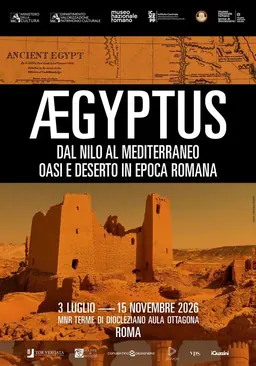
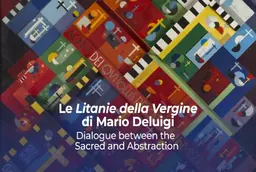
Image credits
5
- Sophie Calle: Matrimoni, Rotture e Funerali inclusi© Sophie Calle / SIAE (Roma, 2026)
- Marina Bindella. CosmografieCourtesy of Museo Carlo Bilotti
- AEGYPTUS. Dal Nilo al Mediterraneo. Oasi e deserto in epoca romanaCourtesy of National Roman Museum - Palazzo Massimo
- Le Litanie della Vergine di Mario Deluigi. Dialogue between the Sacred and AbstractionCourtesy of Vatican Museums
- MAXXI - National Museum of 21st Century ArtsAlbertSpiegelei, Wikimedia Commons, CC BY-SA 4.0