 i
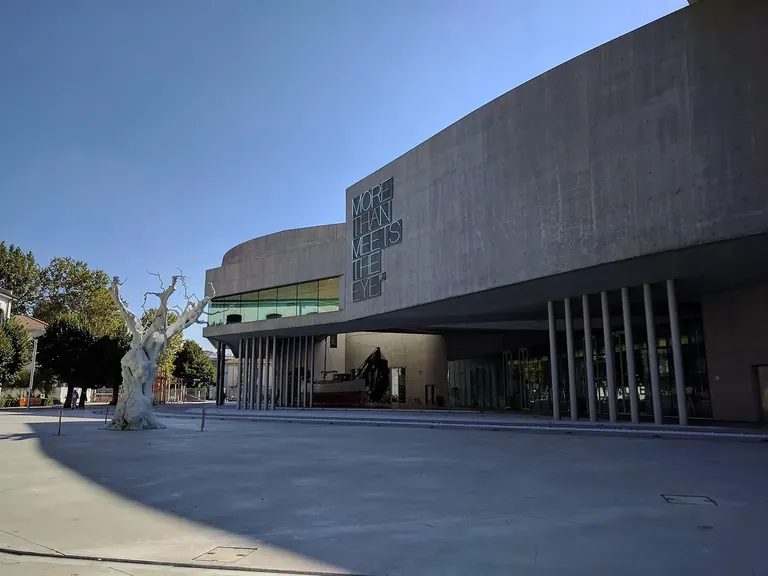
MAXXI - National Museum of 21st Century Arts
MAXXI is Italy's first national museum dedicated to contemporary creativity, split into two divisions: MAXXI Art and MAXXI Architecture. Designed by Zaha Hadid and opened in 2010, its fluid, ribboning galleries won the RIBA Stirling Prize and sit among Rome's monumental wonders. The collection ranges across works by Maurizio Cattelan, Anish Kapoor, Gerhard Richter and William Kentridge, alongside major architectural archives from Carlo Scarpa, Aldo Rossi and Pier Luigi Nervi.
More in Rome
What's On

ENTRATE TAKK: con-vivere
Barcelona and New York studio TAKK fills MAXXI's lobby with six mobile sculptural elements made of low-carbon and living materials, exploring new ways of coexistence.
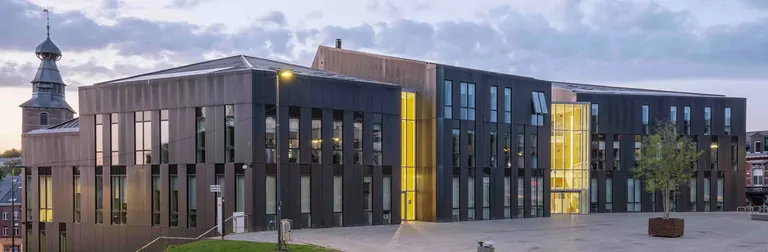
Vitalita dell'architettura italiana 1946-2026
An 80-year survey of Italian architectural ideas, projects and visions, tracing eight decades of the Republic from the post-war years to contemporary practice and future scenarios.
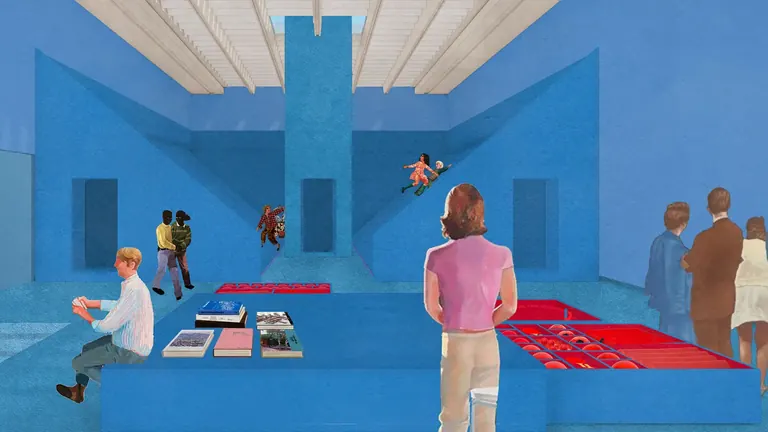
NATURE: Tatiana Bilbao Estudio. Campo aperto
Mexican architect Tatiana Bilbao turns a MAXXI hall into a landscape to explore and inhabit, inspired by the Mesoamerican ball game and built for connection.

Sophie Calle: Matrimoni, Rotture e Funerali inclusi
Sophie Calle's first Rome retrospective spans more than forty years of work probing presence, absence and intimacy through photography and narrative.
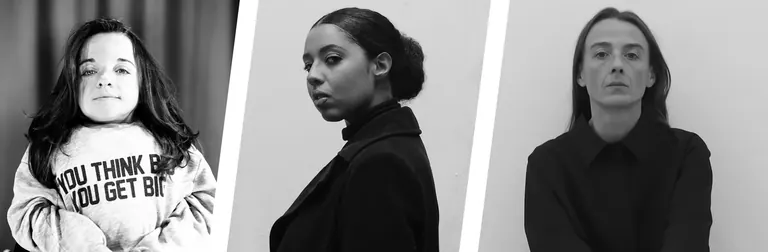
MAXXI BVLGARI PRIZE 2026
The fifth edition of MAXXI's prize supporting young artists in collaboration with Bvlgari; for the first time all three finalists (Chiara Bersani, Adji Dieye and Margherita Moscardini) are women, with the winning work joining the permanent collection.
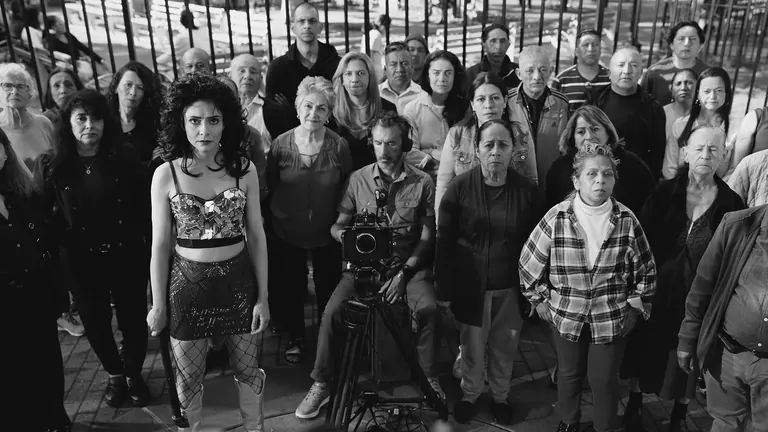
Shirin Neshat: Do U Dare!
A trilogy of films and a series of photographs on identity, power and belonging, centred on activist and YouTuber Nasim Aghdam and the tensions of the American Dream.
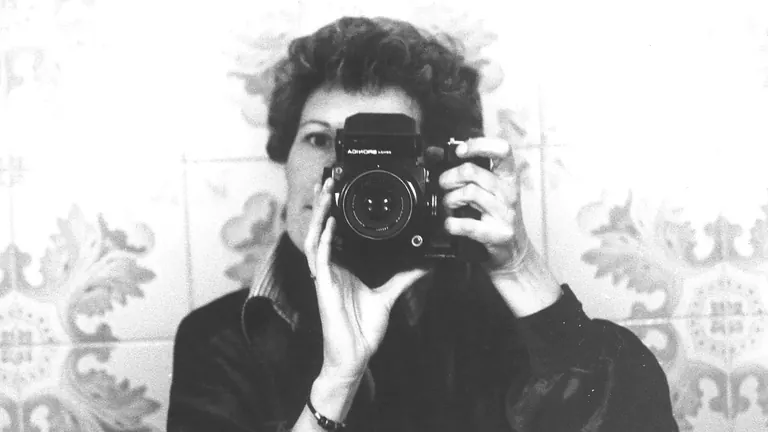
Ordinare il mondo. L'Archivio di Nanda Lanfranco
The full archive of Genoese photographer Nanda Lanfranco, loaned to MAXXI in 2024, tracing her record of the international contemporary art scene from the 1970s to the 2000s.
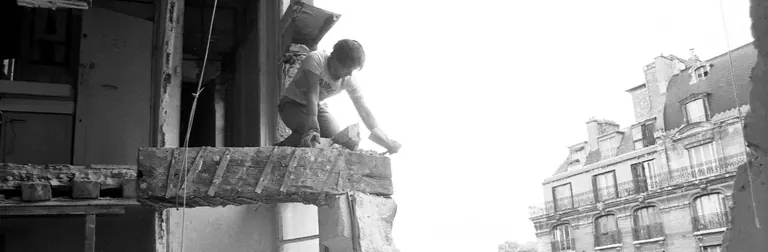
Gordon Matta-Clark
An interdisciplinary exhibition on Gordon Matta-Clark's radical architectural interventions and creative practice, from his experimental New York years to his influential work in Italy.
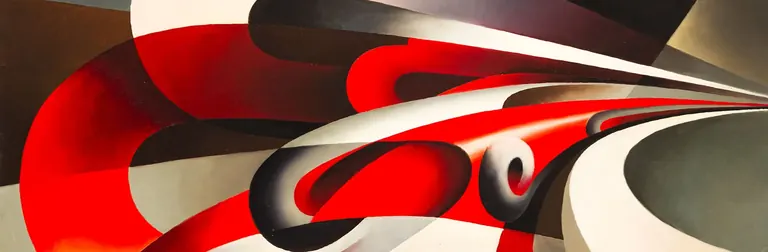
extra MAXXI — Sensing the Future
Part of the "extra MAXXI" programme, pairing Futurist masterpieces by artists like Boccioni and Balla with contemporary works responding to their legacy of speed and simultaneity.
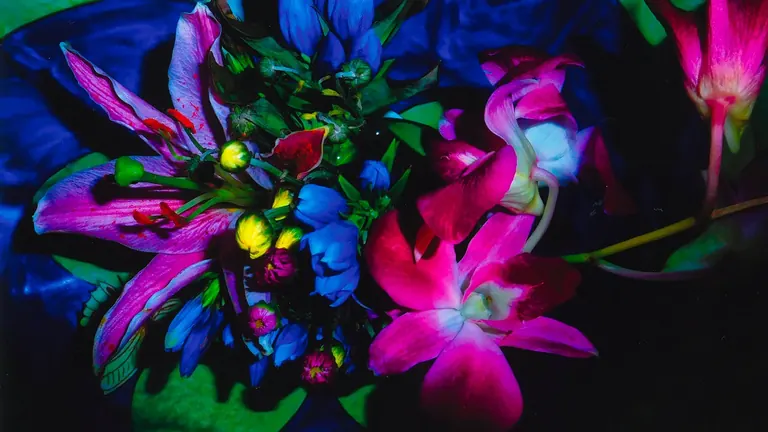
MAXXI Collection: Ritrovarsi
A display from the MAXXI Collection in Gallery 3, curated by Luigia Lonardelli, presenting works as small pieces of fabric to be sewn together, fragile yet monumental.
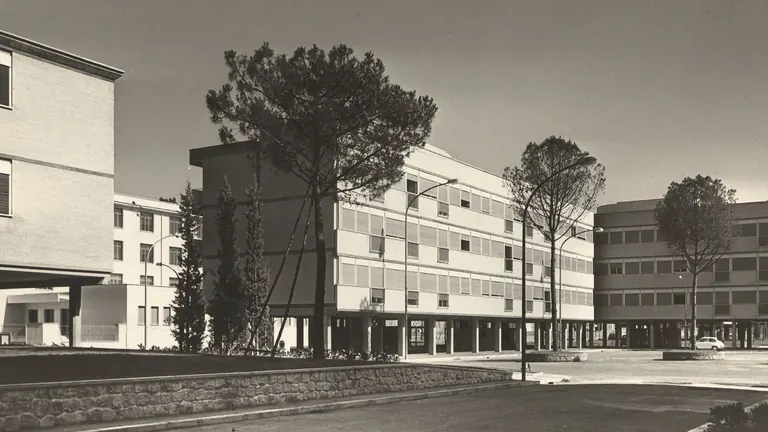
Il Villaggio Olimpico di Roma. Il mondo in 300.000 mq
Archive drawings and images of the 1960 Olympic Village, where athletes of many nations lived side by side, read as a case study in cultural diplomacy through sport.
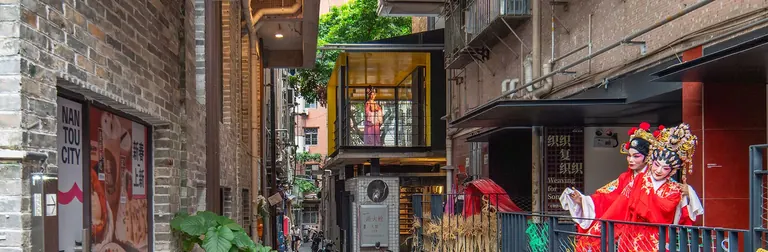
FRONTIERE. The Geopolitics of Architecture
The exhibition examines how architects respond to global instability, redefining design's role and responsibilities amid contemporary geopolitical uncertainty.
Plan Your Visit
Getting there
Via Guido Reni, 4A, 00196 Rome, Italy
Nearest station: Apollodoro (Tram 2), Flaminio (Metro Line A) and Reni/Flaminia (Bus 168, 910)
Show on mapHours
| Mon | Closed |
| Tue | 11:00–19:00 |
| WedToday | 11:00–19:00 |
| Thu | 11:00–19:00 |
| Fri | 11:00–19:00 |
| Sat | 11:00–19:00 |
| Sun | 11:00–19:00 |
Admission
From €15
Reduced 12 EUR; 14 EUR full / 11 EUR reduced online; free for under-18s and myMAXXI cardholders
Last verified
Visitor Information
- How much does MAXXI - National Museum of 21st Century Arts cost?
- Standard adult admission to MAXXI - National Museum of 21st Century Arts is €15. Reduced 12 EUR; 14 EUR full / 11 EUR reduced online; free for under-18s and myMAXXI cardholders. Prices for special exhibitions and timed-entry slots may differ.
- What are the opening hours of MAXXI - National Museum of 21st Century Arts?
- MAXXI - National Museum of 21st Century Arts is open Tue-Sun 11am-7pm; closed Mondays. Holiday hours can vary, so check the museum's website before you go.
- Where is MAXXI - National Museum of 21st Century Arts?
- MAXXI - National Museum of 21st Century Arts is located at Via Guido Reni, 4A, 00196 Rome, Italy, in the Flaminio area of Rome. The nearest stations are Apollodoro (Tram 2), Flaminio (Metro Line A) and Reni/Flaminia (Bus 168, 910).
- What can I see at MAXXI - National Museum of 21st Century Arts?
- Zaha Hadid's swooping concrete landmark in Flaminio, Italy's national museum of 21st-century art and architecture. Current highlights include MAXXI BVLGARI PRIZE 2026, Il Villaggio Olimpico di Roma. Il mondo in 300.000 mq and MAXXI Collection: Ritrovarsi.
- Do I need to book MAXXI - National Museum of 21st Century Arts in advance?
- Booking ahead is recommended, especially for weekends, school holidays, and special exhibitions. Tickets are normally on the museum's website, and a pre-booked timed slot helps you avoid queues at the entrance.
- When is the best time to visit MAXXI - National Museum of 21st Century Arts?
- Weekday mornings shortly after opening are typically the quietest, especially mid-week. Late afternoons can also be calmer. Weekends, school holidays, and the lunch rush are the busiest periods.
Image credits
13
- MAXXI - National Museum of 21st Century ArtsAlbertSpiegelei, Wikimedia Commons, CC BY-SA 4.0
- MAXXI BVLGARI PRIZE 2026Chiara Bersani, photo by Lorenza Daverio; Adji Dieye, photo by Emmanuel Yoro
- Il Villaggio Olimpico di Roma. Il mondo in 300.000 mqVillaggio Olimpico di Roma, 1960. Collezione MAXXI Architettura e Design contemporaneo. Archivio Monaco-Luccichenti.
- MAXXI Collection: RitrovarsiDetail from Daido Moriyama, Pretty Woman (2017), lambda print mounted on aluminium
- extra MAXXI — Sensing the FutureCourtesy of MAXXI - National Museum of 21st Century Arts
- NATURE: Tatiana Bilbao Estudio. Campo apertoFoto © Vincenzo Labellarte, courtesy Fondazione MAXXI
- Shirin Neshat: Do U Dare!Shirin Neshat, Do U Dare!, 2025. Film still. Courtesy of the artist, Gladstone, and Lia Rumma Gallery, Milan/Naples.
- Ordinare il mondo. L'Archivio di Nanda LanfrancoNanda Lanfranco, self-portrait, 1976, Genova. Photo Nanda Lanfranco. Centro Archivi MAXXI Arte, Archivio Nanda Lanfranco Loan
- FRONTIERE. The Geopolitics of Architecturephoto by Bai Yu
- Sophie Calle: Matrimoni, Rotture e Funerali inclusi© Sophie Calle / SIAE (Roma, 2026)
- ENTRATE TAKK: con-viverePhoto © Vincenzo Labellarte
- Vitalita dell'architettura italiana 1946-2026Courtesy of MAXXI - National Museum of 21st Century Arts
- Gordon Matta-Clark© The Estate of Gordon Matta-Clark/Artists Rights Society (ARS), New York. Courtesy The Estate of Gordon Matta-Clark and David Zwirner