 i
Philadelphia Museum of ArtFairmount / Benjamin Franklin Parkway
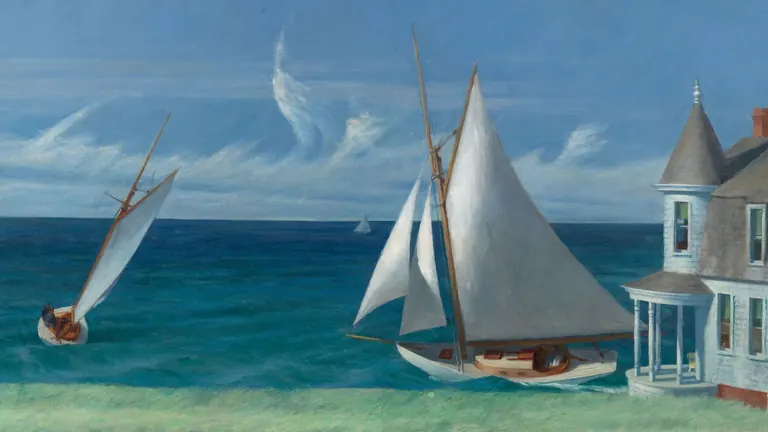
A Nation of Artists
The museum's America-250 centrepiece: over 1,000 works tracing three centuries of American art making, drawn from its own collection and the Middleton Family Collection.
More in Philadelphia
To get there, you walk from the Great Stair Hall down a gallery that isn't part of the show, through what the Inquirer's Peter Dobrin likened to a service corridor, and past the bathrooms. Then the museum's American wing opens up, renovated and closed for 14 months before this show.
The second floor runs through 19 galleries from the 1840s to the 1950s, with paintings, furniture, silver, textiles and pottery sharing each room. About three dozen works are by Thomas Eakins, and more than 120 are lent by the family of Phillies owner John Middleton, the one Middleton lineup nobody calls WIP to complain about. The show's other half is at PAFA on Broad Street, ticketed separately.
Dobrin called it "one of the museum's most spectacular events of recent years." Broad Street Review found the room numbers confusing and wanted more benches. It's included with general admission, open until 8:45pm on Fridays, with an audio tour on the Bloomberg Connects app.
Look for
David Drake's storage jar
Look for the large, plain clay jar made in 1859 by an enslaved potter in South Carolina, inscribed with a Biblical verse and set alone in the middle of a Rococo-revival parlour.
Wax Fruit and Dessert Arrangement
In the same room, berries, melon and pastries made of wax sit under a glass dome, the kind of display middle- and upper-class women made for their parlours.
Eakins's three rivers
The Pair-Oared Shell, Sailboats Racing on the Delaware and Mending the Net hang in sequence; in the last, tiny figures repair a fishing net by the river against a hazy distance.
The Nature and Nation room
Green walls set up like a gallery in a tycoon's mansion, hung with big landscapes and seascapes including Albert Bierstadt's The Shore of the Turquoise Sea.
Death Cart (Carreta de la Muerte)
A carved skeleton holding a bow rides a cart as a figure of death, made in New Mexico, in the Nature and Spirit gallery.
Good for
- Evening Visits
- First-Timers
- Nerding Out
- Out-Of-Town Guests
Skip if
You need regular rests: a critic found too few benches across the nineteen galleries.
Also at Philadelphia Museum of Art
On now nearby
Nearby
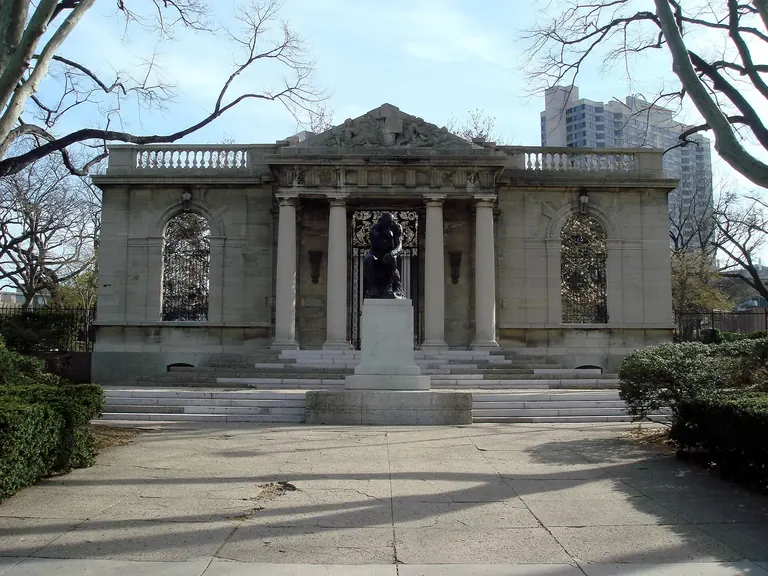
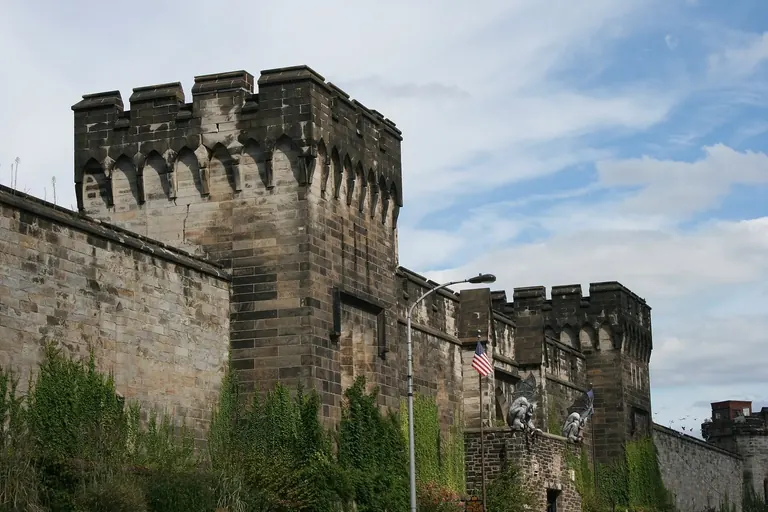
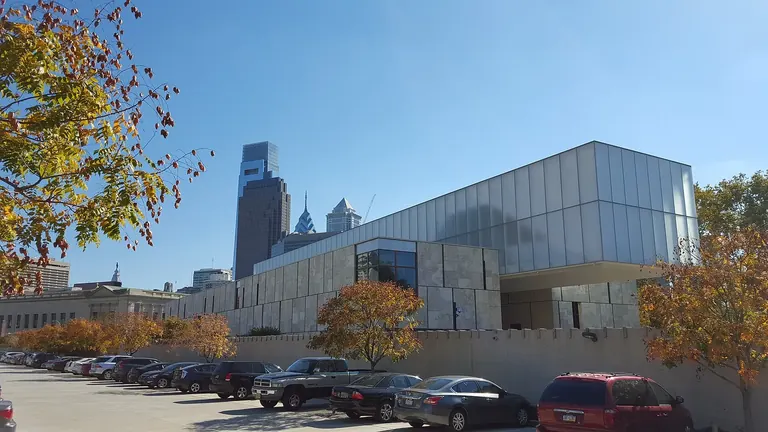
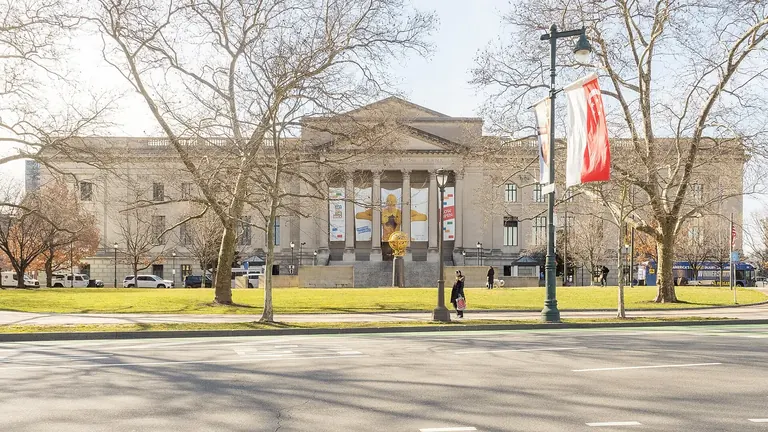
Image credits
9
- A Nation of Artists© Heirs of Josephine N. Hopper / Licensed by VAGA at Artists Rights Society (ARS), New York
- Rodin's HandsPhiladelphia Museum of Art press office
- Noguchi to Asawa: Designing Postwar America© Leo Amino Estate. Courtesy of the estate and David Zwirner
- Sky Hopinka: Red Metal DustPhoto © Barnes Foundation
- Philadelphia Museum of ArtHeather Dong / Wikimedia Commons, CC0
- Rodin MuseumBobak Ha'Eri, via Wikimedia Commons, CC BY 3.0
- Eastern State Penitentiary Historic SiteThesab / Wikimedia Commons, CC BY-SA 4.0
- Barnes FoundationThekohser, via Wikimedia Commons, CC BY-SA 4.0
- The Franklin Instituteajay_suresh via Wikimedia Commons, CC BY 2.0