 i
Musée d'Orsay · 7e arrondissement
Gustave Le Gray, Painter and Photographer
A "Bicentennial of Photography" retrospective on Gustave Le Gray (1820-1884), the painter-turned-photographer and technical innovator, featuring newly surfaced acquisitions shown for the first time.
We earn a commission if you book through GetYourGuide.
More in Paris
Preview: written before the show opened
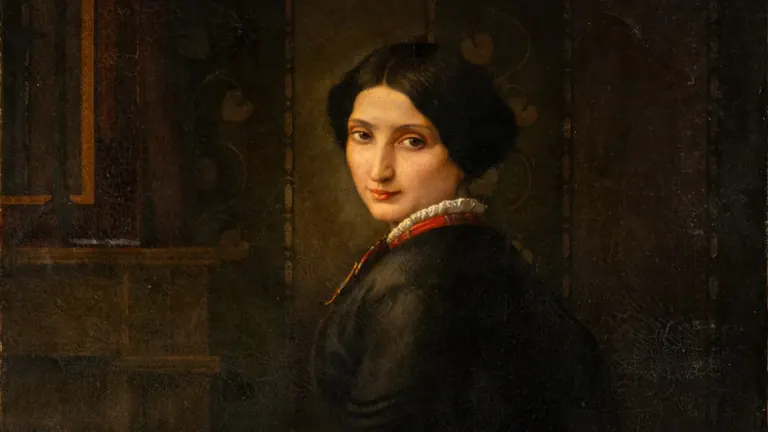
The picture Orsay leads this show with is a painting. In 1853 Le Gray hung a portrait of his wife, Palmira Leonardi, at the Salon: she is 30, in black mourning dress, four years after the couple lost two daughters. It is one of the very few paintings by him known to survive.
Le Gray trained in Paul Delaroche's studio and kept composing like a painter once he took up the camera. For his seascapes he printed the sea from one negative and the clouds from another, because the emulsions of the day couldn't hold both. So the storm sky in front of you, pressing down on a flat sea, is a montage. Several recent acquisitions, works nobody knew existed until they came up for sale, will be shown for the first time.
It's in room 8c on level 0, covered by the €16 timed museum ticket (€12 on Thursday evenings, open to 9:45pm; free for under-18s). Reception is under renovation until summer 2028, so check access conditions first.
Editor's pick
A retrospective of the painter who became one of photography's early technical innovators, including recent acquisitions shown for the first time.
Look for
Portrait de Mme G.L. (1853)
Look for Le Gray's wife Palmira, aged 30, in a black mourning dress on a 125 by 95 cm canvas he showed at the 1853 Salon, a rare surviving painting by him.
The two-negative seascapes
Look at the storm skies over flat sea, as in La Grande Vague: each was printed from two negatives, one exposed for the water and one for the clouds.
Good for
- Evening Visits
- Nerding Out
- Out-Of-Town Guests
With kids
Under-18s get in free.
Also at Musée d'Orsay
On now nearby
Nearby
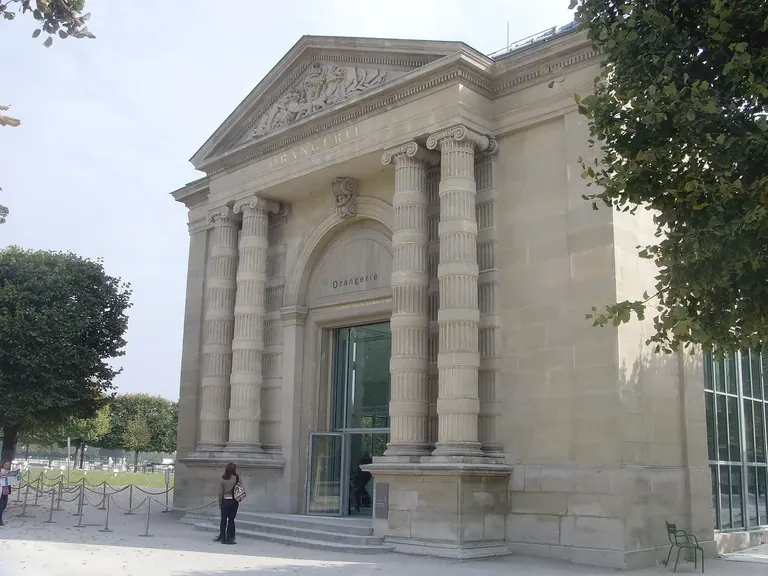
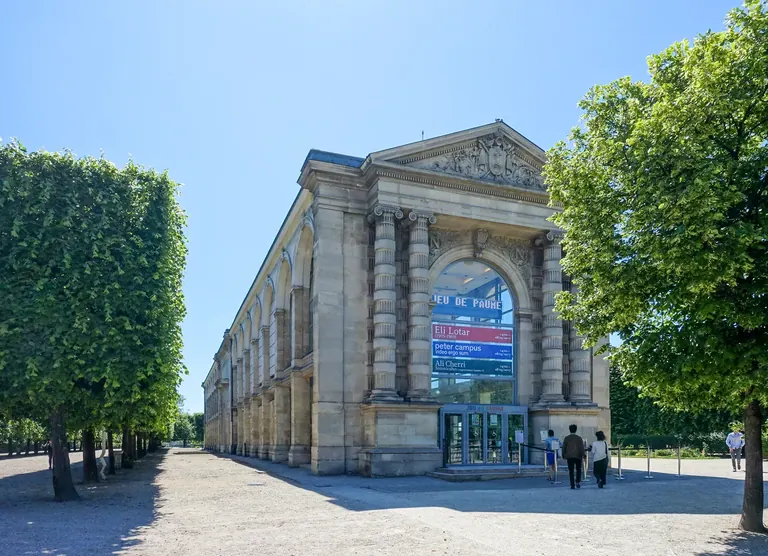
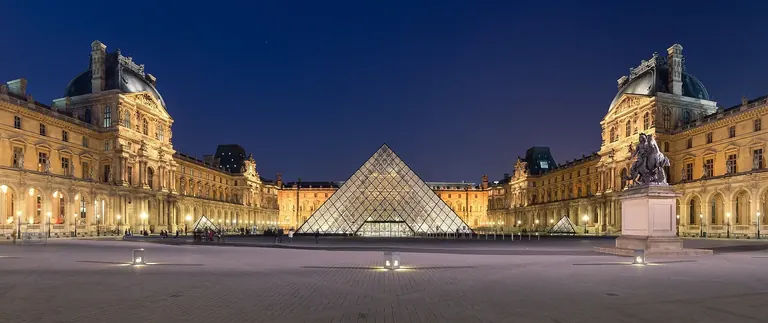
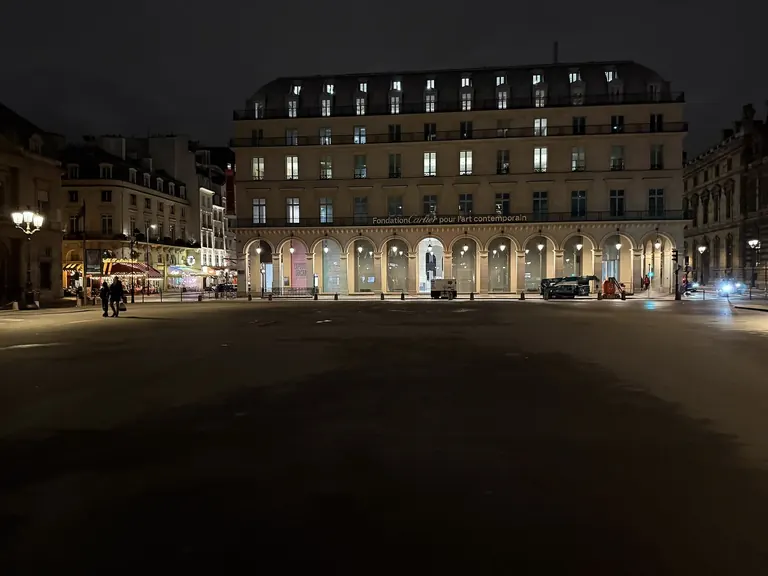
Image credits
9
- Gustave Le Gray, Painter and PhotographerCourtesy of Musée d'Orsay
- Monet, Painting TimeNational Gallery of Art / Wikimedia Commons, Public domain
- Contemporary Counterpoint: Vija CelminsVija Celmins, Courtesy Matthew Marks Gallery
- Stan Douglas: Parallax© Stan Douglas. Courtesy of the artist, Victoria Miro and David Zwirner
- Musée d'OrsaySuicasmo, via Wikimedia Commons, CC BY-SA 4.0
- Musée de l'OrangerieHomonihilis / Wikimedia Commons, CC BY-SA 3.0
- Jeu de PaumeGuilhem Vellut, CC BY 2.0
- LouvreBenh Lieu Song, CC BY-SA 3.0
- Fondation Cartier pour l'art contemporainChabe01, CC BY-SA 4.0, via Wikimedia Commons, CC BY-SA 4.0