 i
Musée d'Orsay · 7e arrondissement
Family Histories
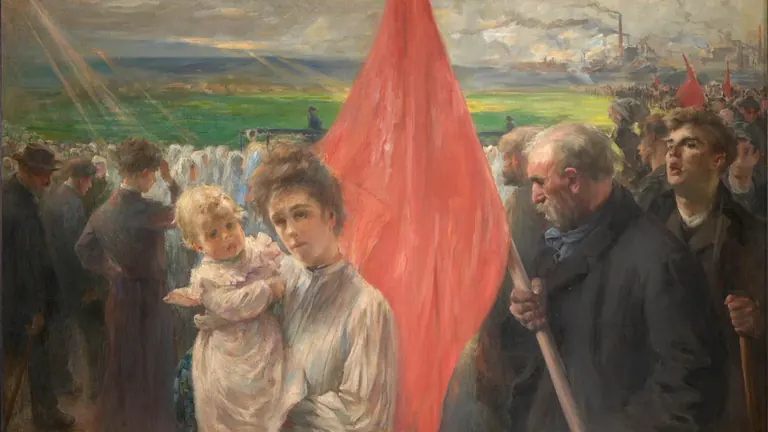
Traces how the family, regulated by the Civil Code and reshaped by first-wave feminism and shifting notions of the couple, became a key subject for 19th-century artists depicting modern society.
We earn a commission if you book through GetYourGuide.
More in Paris
Preview: written before the show opened
In the section on brothers and sisters, the Tournachon brothers are still fighting over which of them owned the name Nadar. A few steps on, Alfred Stevens paints a brother and sister by the sea at Honfleur, and Odilon Redon's pastels work through the death of a child before his second son was born.
Orsay built the show from its own collections: paintings, sculpture, photographs, film, drawings and archives on the ways of being a family in France between 1848 and 1914. You start with family and politics, then walk through five sections: the home, motherhood, fathers and inheritance, siblings, and couples, from Monet and Camille Doncieux to Verlaine and Rimbaud. The motherhood section is titled "Be a mother and keep quiet", which makes this a brave pick for the Fête des mères outing.
It's in the Seine Gallery on level 0, open until 9.45pm on Thursdays. The reception areas are being renovated until summer 2028, so check Orsay's access page before you go.
Look for
Degas's Bellelli Family
One of Degas's large portraits of an extended family, hung in the "Home Sweet Home" section with Tissot's and Bazille's family groups.
Louis Lumière's Le Déjeuner de bébé
Look for this early film of a baby being given breakfast, screened among the paintings.
The Countess of Castiglione
Pierre-Louis Pierson's photographs of the countess, Orsay's own "bad mother" case study, in the motherhood section.
Objects that held a family together
Photograph albums, phonograph cylinders and cuddly toys sit in the section on fathers and inheritance.
Rosa Bonheur's menagerie
Bonheur's household of animals at Thomery, shown with the first films about bonds between animals and people.
Good for
- Evening Visits
- Nerding Out
With kids
Orsay offers the show to school classes from age 6, with guided tours from age 11. Sections cover the loss of children and abandonment, so preview them with younger kids.
Also at Musée d'Orsay
On now nearby
Nearby
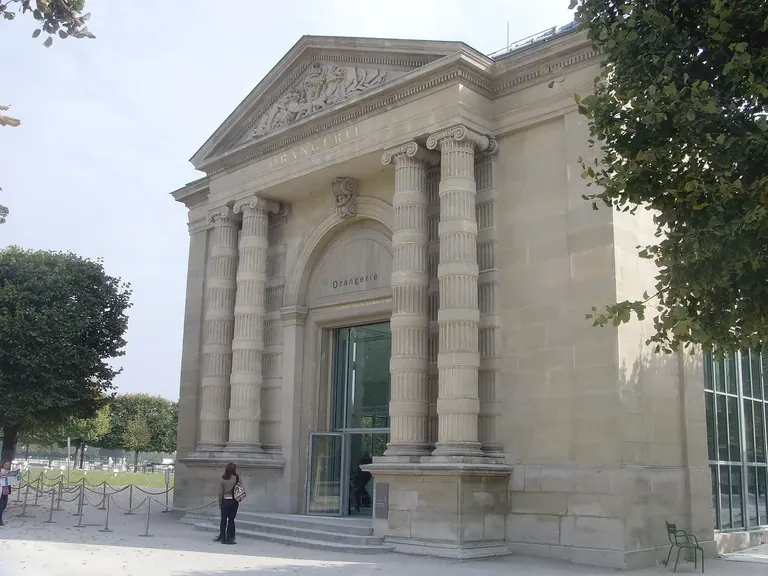
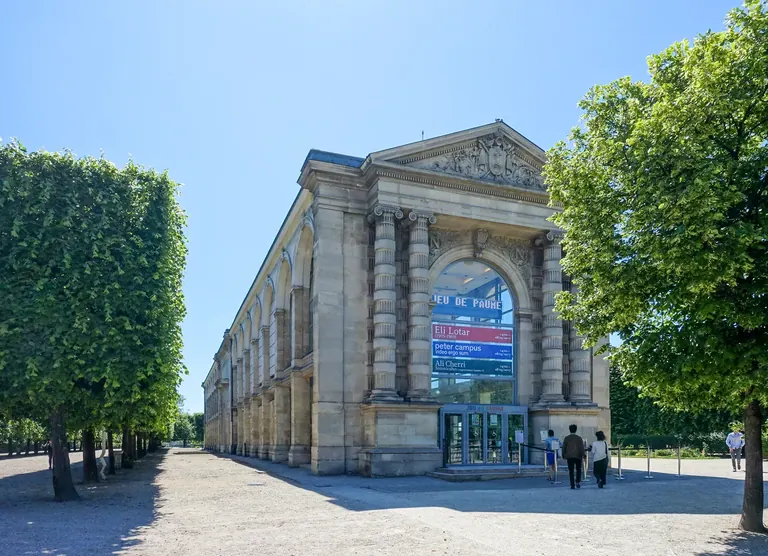

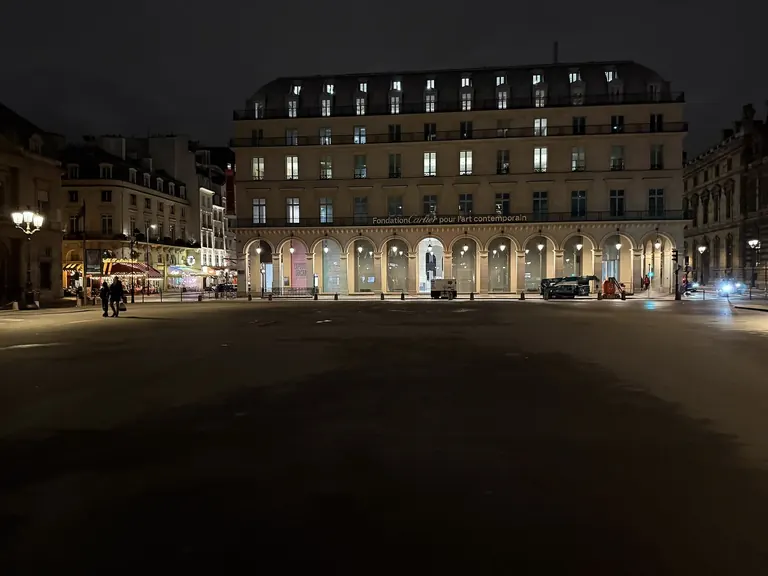
Image credits
9
- Family HistoriesCourtesy of Musée d'Orsay
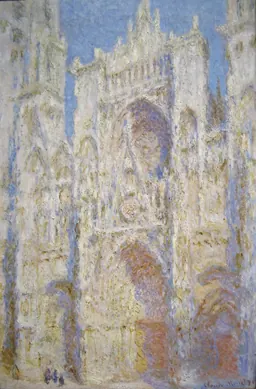
- Monet, Painting TimeNational Gallery of Art / Wikimedia Commons, Public domain
- Contemporary Counterpoint: Vija CelminsVija Celmins, Courtesy Matthew Marks Gallery
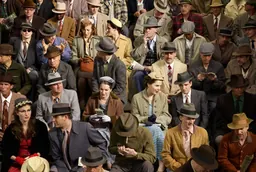
- Stan Douglas: Parallax© Stan Douglas. Courtesy of the artist, Victoria Miro and David Zwirner
- Musée d'OrsaySuicasmo, via Wikimedia Commons, CC BY-SA 4.0
- Musée de l'OrangerieHomonihilis / Wikimedia Commons, CC BY-SA 3.0
- Jeu de PaumeGuilhem Vellut, CC BY 2.0
- LouvreBenh Lieu Song, CC BY-SA 3.0
- Fondation Cartier pour l'art contemporainChabe01, CC BY-SA 4.0, via Wikimedia Commons, CC BY-SA 4.0