 i
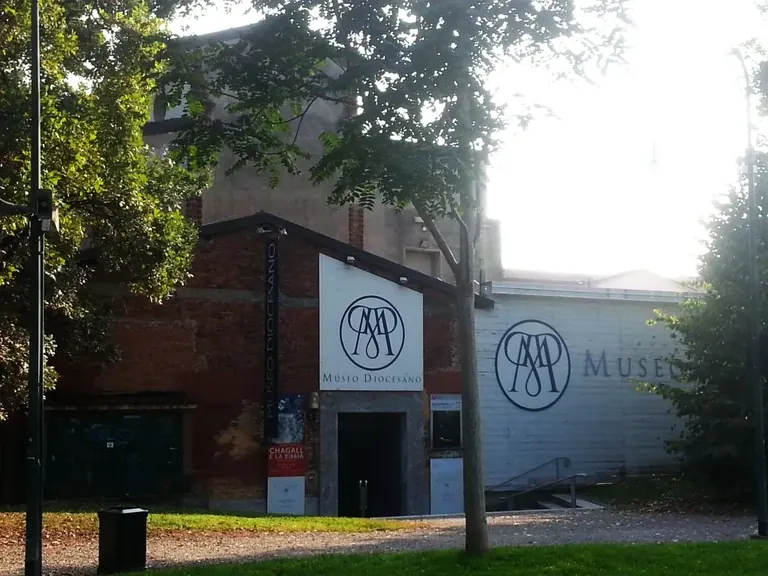
Museo Diocesano Carlo Maria MartiniPorta Ticinese
Werner Bischof. Point of View
This exhibition has ended.
Retrospective of the Swiss Magnum photojournalist: 200 vintage prints plus contact sheets, from 1930s Switzerland through postwar Europe and Asia to the Americas.
Museum websiteMore in Milan
The first prints are shells, fruit and shrubs: a young Zurich studio photographer testing light. Then bamboo canes throw stripes of shadow and silk drapes lift in the breeze. The war ends that. By 1947 Bischof is in a Hungarian orphanage, photographing children the war left without parents or homes.
You walk his career in four chronological sections, about 200 vintage prints with contact sheets and a documentary, from Switzerland through postwar Europe and Asia to the Americas, where he died in a road accident in the Andes in 1954, aged 38. Monica Triglia, writing for Allonsanfan, says he built a relationship with the people he photographed instead of just recording them, and AmeVe notes he never went for shock, even in war zones. It ends on a run of colour photographs.
It closes on 18 October. Entry is €9 (€7 reduced), Tuesday to Sunday 10:00 to 18:00, and every evening from 17:30 to 22:30 it reopens for €12 with a drink or €18 with an aperitivo in the cloister.
Look for
On the way to Cuzco, Peru 1954
A child musician moves along the road toward Cuzco, taken in Peru the year Bischof died there.
Michiko Jinuma, Tokyo 1951
A 20-year-old fashion student on her way into town, a nod back to the fashion studio he opened at the start.
Children waiting for Hirohito, Hiroshima 1951
Look at the children's faces as they wait for the emperor to arrive in Hiroshima, six years after the bomb.
Steelworks woman, Jamshedpur 1951
A woman from the Indian steel town carries a baby and a basket at once.
Farmer and grazing cows, Cambodia 1952
A farmer shades himself from the sun while he keeps watch over his cows.
Good for
- Evening Visits
- Nerding Out
Skip if
You want a light evening out: much of it is famine, war and orphaned children.
Also at Museo Diocesano Carlo Maria Martini
On now nearby
Nearby
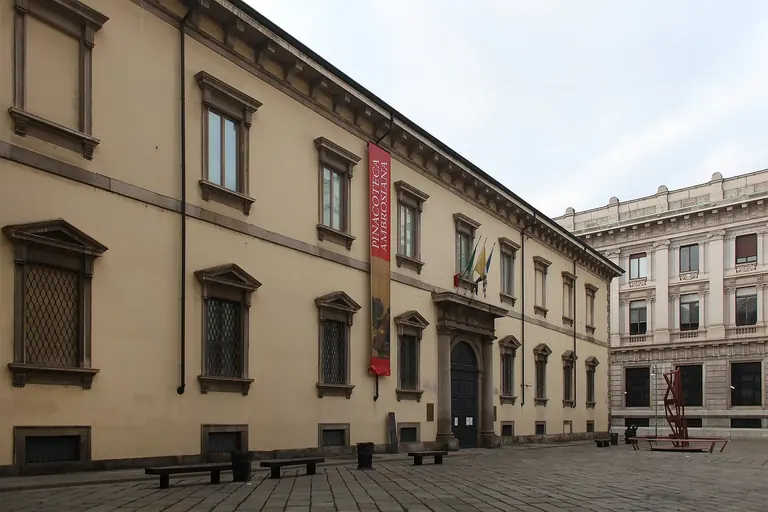
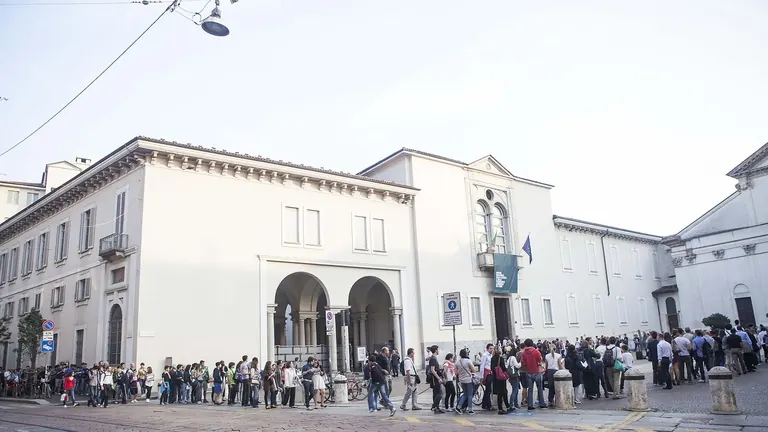
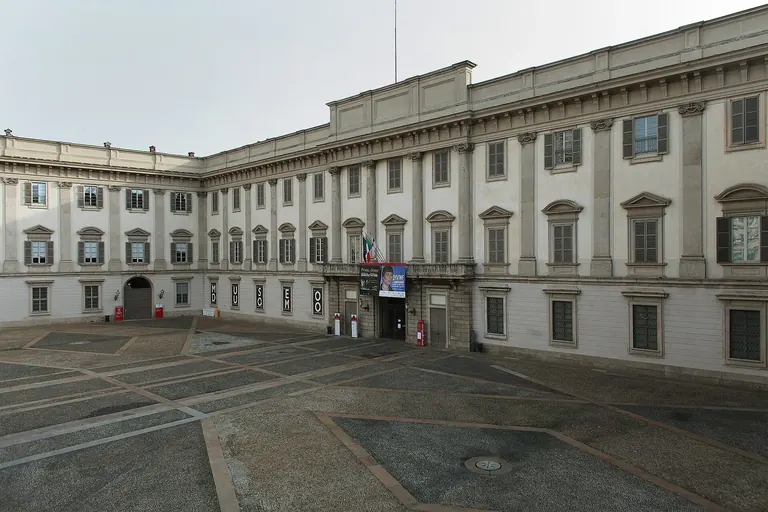
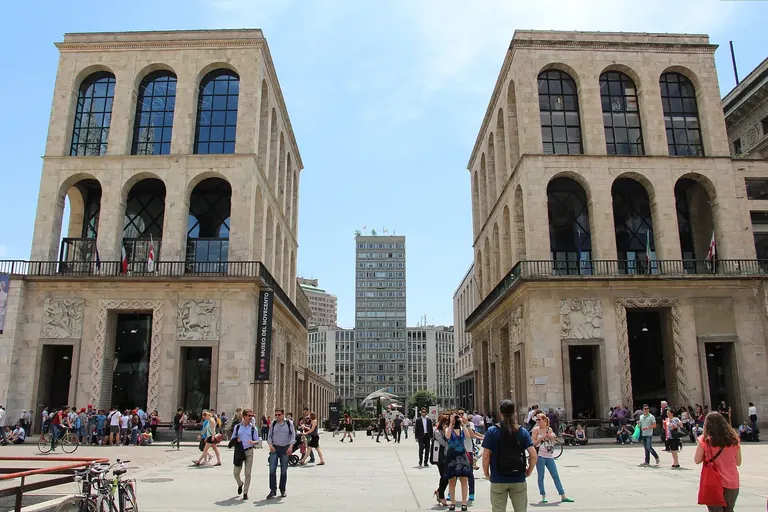
Image credits
8
- Museo Diocesano Carlo Maria MartiniTrotter Christie / Wikimedia Commons, CC0
- Il "segno" di San Francesco: immagini di una vitaCourtesy of Pinacoteca Ambrosiana
- Under Milano: Imaginary mapsCourtesy of Museo Nazionale della Scienza e della Tecnologia Leonardo da Vinci
- Carla Cerati. Plurale femminile. Fotografia e scrittura, 1926-2026Courtesy Archivio Carla Cerati
- Pinacoteca AmbrosianaPaolobon140 / Wikimedia Commons, CC BY-SA 4.0
- Museo Nazionale della Scienza e della Tecnologia Leonardo da VinciMuseo nazionale della scienza e della tecnologia Leonardo da Vinci, via Wikimedia Commons, CC BY-SA 4.0
- Palazzo Reale di MilanoPaolobon140 / Wikimedia Commons, CC BY-SA 4.0
- Museo del NovecentoFred Romero / Wikimedia Commons, CC BY 2.0