 i
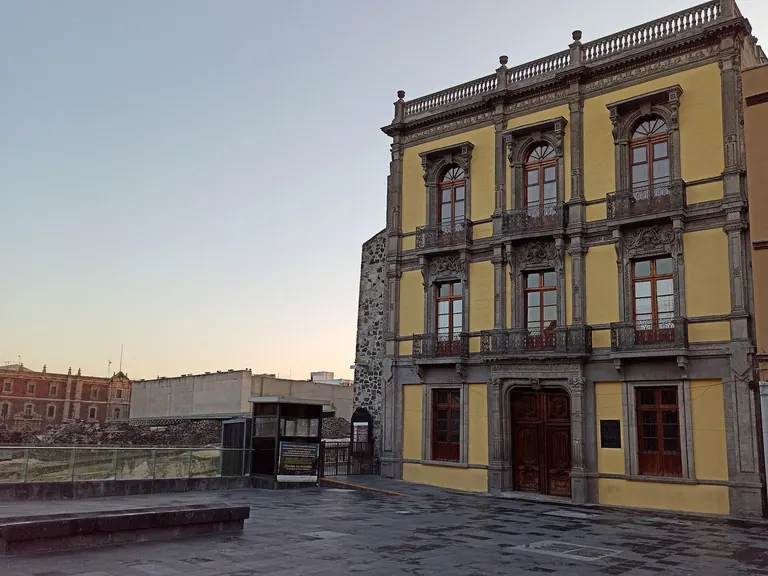
Museo del Templo Mayor
Opened in 1987 beside the ruins of the Templo Mayor, the Mexica twin temple to Huitzilopochtli and Tláloc, this INAH site museum displays finds from decades of excavation in the Historic Centre. Its eight halls mirror the temple itself: four on war, sacrifice and tribute for Huitzilopochtli, four on water, agriculture and nature for Tláloc. Highlights include the Coyolxauhqui disc and the giant Tlaltecuhtli monolith found in 2006. The ticket also covers a walkway through the open-air archaeological zone.
More in Mexico City
What's On
Permanent Collections
Sala 2: Ritual y Sacrificio
Ritual and sacrifice: obsidian blades and bone perforators for self-sacrifice, warrior cremation urns and offerings such as Offering 17, some from older Mesoamerican cultures.
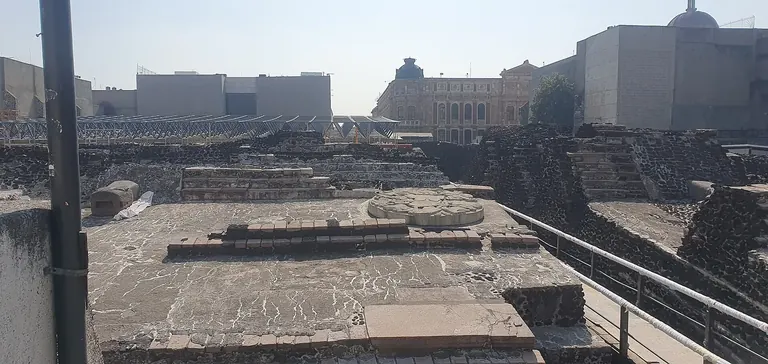
Sala 4: Huitzilopochtli
The hall of the Mexica war god, centred on the great Coyolxauhqui disc: the dismembered moon goddess found at the foot of the temple in 1978.
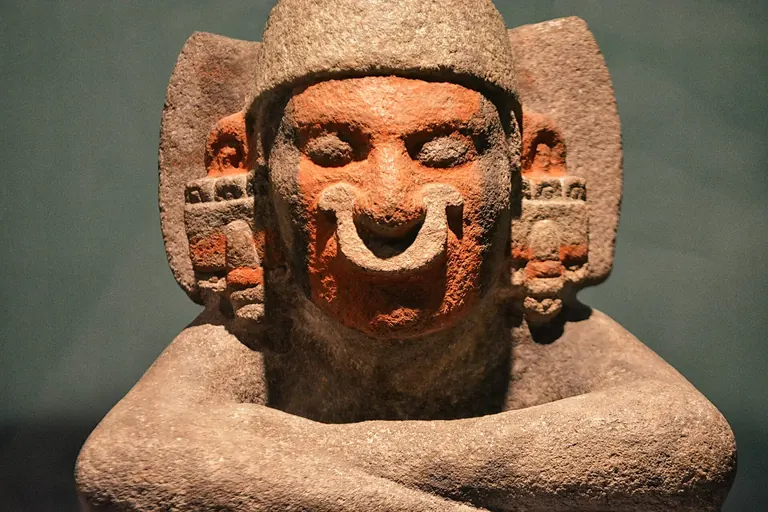
Sala 6: Flora y Fauna
Flora and fauna: the animal remains, preserved specimens and offering assemblages, such as Offering 102, that show how the Mexica used the natural world in ritual.
Sala 7: Agricultura
Agriculture: how the Mexica grew Tenochtitlan on chinampa fields reclaimed from the lake, and the calendar of farming festivals largely dedicated to Tláloc and fertility gods.
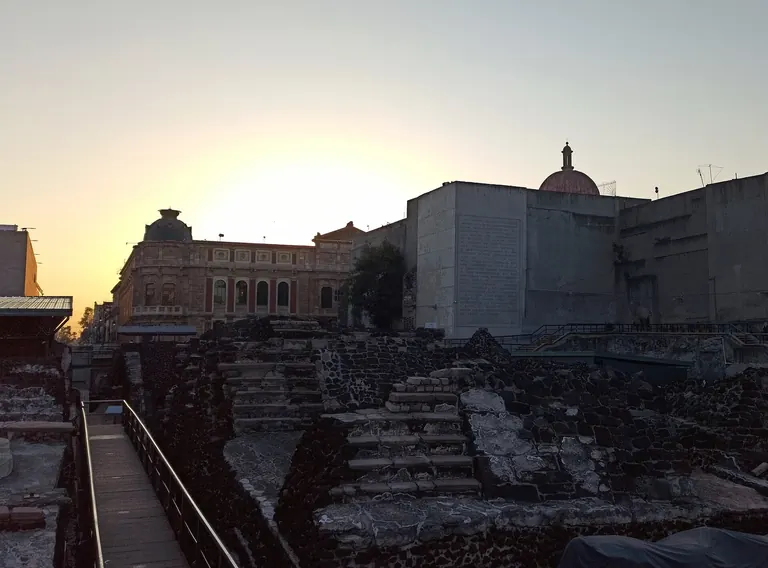
Zona Arqueológica del Templo Mayor
Walkways over the excavated Great Temple and its sacred precinct, showing the superimposed building stages of the Mexica twin pyramid.
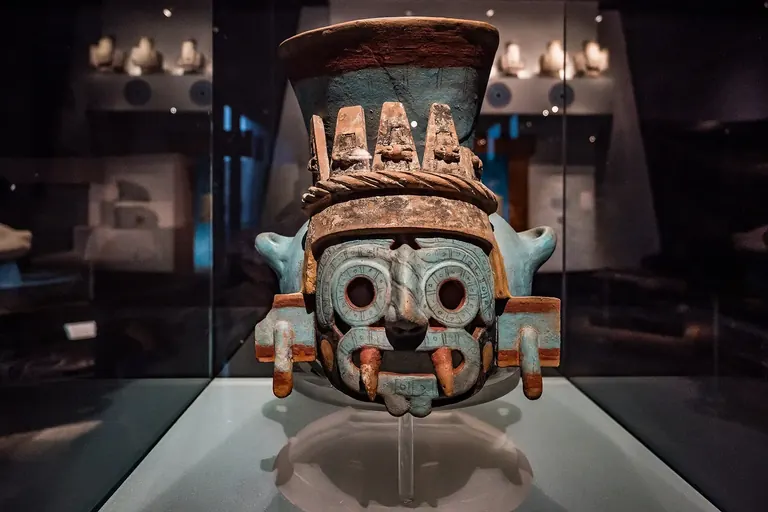
Sala 5: Tláloc
The rain god's hall opens the museum's Tláloc wing on water and fertility, with offerings and the famous painted Tláloc vessels.
Plan Your Visit
Getting there
Calle Seminario 8, Centro Histórico, Cuauhtémoc, 06060 Ciudad de México, Mexico
Nearest station: Zócalo/Tenochtitlan (Metro Line 2) and Allende (Metro Line 2)
Show on mapHours
| MonToday | Closed |
| Tue | 09:00–17:00 |
| Wed | 09:00–17:00 |
| Thu | 09:00–17:00 |
| Fri | 09:00–17:00 |
| Sat | 09:00–17:00 |
| Sun | 09:00–17:00 |
Admission
From $210
MXN 105 for Mexican nationals and foreign residents of Mexico; free for children under 13, students, teachers, seniors and retirees with ID; free on Sundays for Mexican nationals and residents. Includes the archaeological zone.
Last verified
Nearby
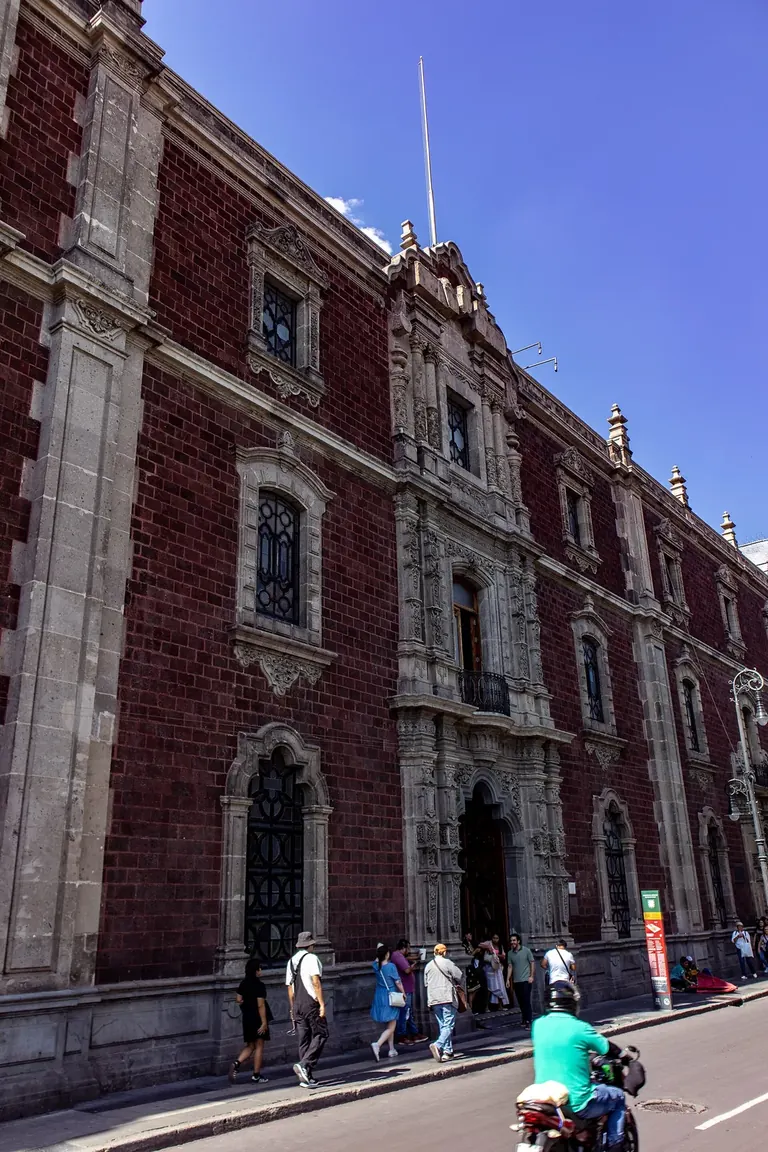
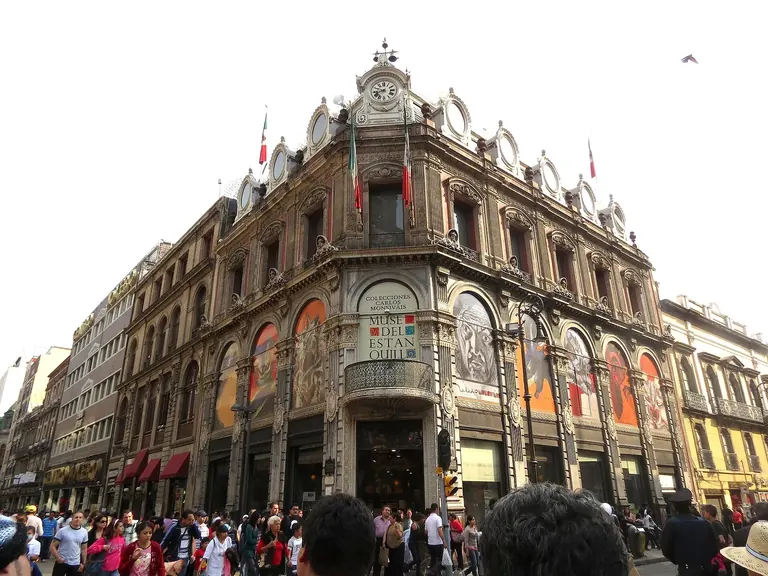
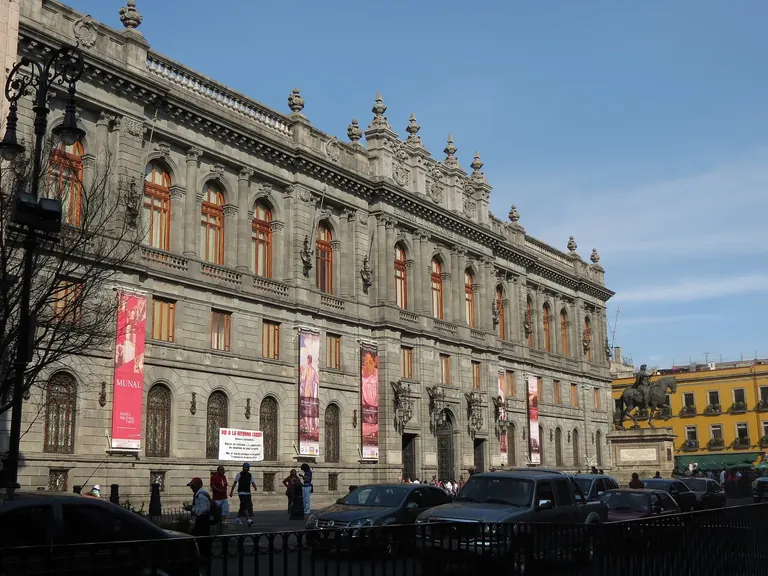
Visitor Information
- How much does Museo del Templo Mayor cost?
- Standard adult admission to Museo del Templo Mayor is $210. MXN 105 for Mexican nationals and foreign residents of Mexico; free for children under 13, students, teachers, seniors and retirees with ID; free on Sundays for Mexican nationals and residents. Includes the archaeological zone.. Prices for special exhibitions and timed-entry slots may differ.
- What are the opening hours of Museo del Templo Mayor?
- Museo del Templo Mayor is open Tuesday to Sunday 09:00-17:00 (museum and archaeological zone). Closed Mondays.. Holiday hours can vary, so check the museum's website before you go.
- Where is Museo del Templo Mayor?
- Museo del Templo Mayor is located at Calle Seminario 8, Centro Histórico, Cuauhtémoc, 06060 Ciudad de México, Mexico, in the Centro Histórico area of Mexico City. The nearest stations are Zócalo/Tenochtitlan (Metro Line 2) and Allende (Metro Line 2).
- What can I see at Museo del Templo Mayor?
- The excavated heart of Aztec Tenochtitlan: the Great Temple's ruins plus a museum of its offerings and the Coyolxauhqui stone. Current highlights include Sala 2: Ritual y Sacrificio, Sala 4: Huitzilopochtli and Sala 6: Flora y Fauna.
- Do I need to book Museo del Templo Mayor in advance?
- Booking ahead is recommended, especially for weekends, school holidays, and special exhibitions. Tickets are normally on the museum's website, and a pre-booked timed slot helps you avoid queues at the entrance.
- When is the best time to visit Museo del Templo Mayor?
- Weekday mornings shortly after opening are typically the quietest, especially mid-week. Late afternoons can also be calmer. Weekends, school holidays, and the lunch rush are the busiest periods.
Image credits
9
- Museo del Templo MayorJuan Carlos Fonseca Mata / Wikimedia Commons, CC BY-SA 4.0
- Sala 4: HuitzilopochtliJosé Luiz / Wikimedia Commons, CC BY-SA 4.0
- Sala 6: Flora y FaunaProtoplasmaKid / Wikimedia Commons, CC BY-SA 4.0
- Zona Arqueológica del Templo MayorJuan Carlos Fonseca Mata / Wikimedia Commons, CC BY-SA 4.0
- Sala 5: TlálocProtoplasmaKid / Wikimedia Commons, CC BY 4.0
- Antiguo Colegio de San IldefonsoProtoplasmaKid / Wikimedia Commons, CC BY 4.0
- Museo del EstanquilloLuisalvaz / Wikimedia Commons, CC BY-SA 4.0
- Museo Nacional de Arte (MUNAL)Luisalvaz / Wikimedia Commons, CC BY-SA 4.0
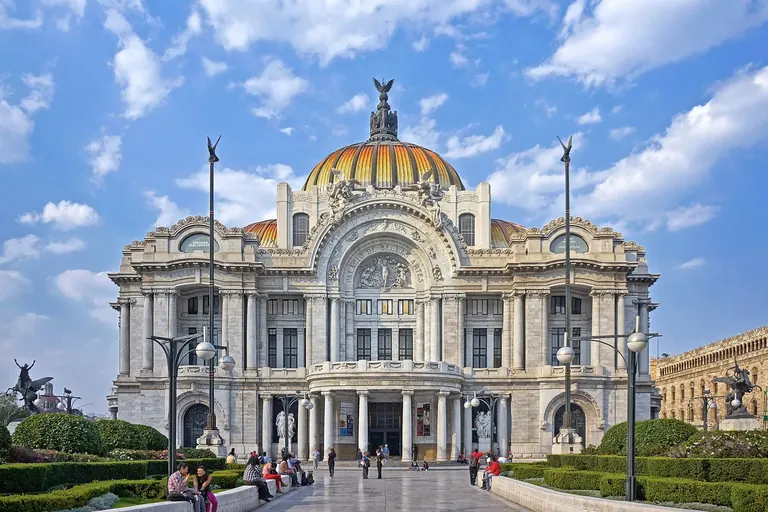
- Museo del Palacio de Bellas ArtesXavier Quetzalcoatl Contreras Castillo / Wikimedia Commons, CC BY-SA 3.0