 i
Museo de AméricaCiudad Universitaria, Moncloa
Trans Nation: A Project by Antonio López
A photographic project on the colonial roots of discrimination against Indigenous trans women in the Americas, extended through 22 November after strong public interest.
More in Madrid
You meet four words before you meet anyone in the photographs: muxe, from the Zapotec; empupillan, from the Mapuche; nadleeh, from the Navajo; wigudun, from the Guna. Each names a gender identity those peoples recognised before colonisation, and the wall text argues that conquest and evangelisation erased them.
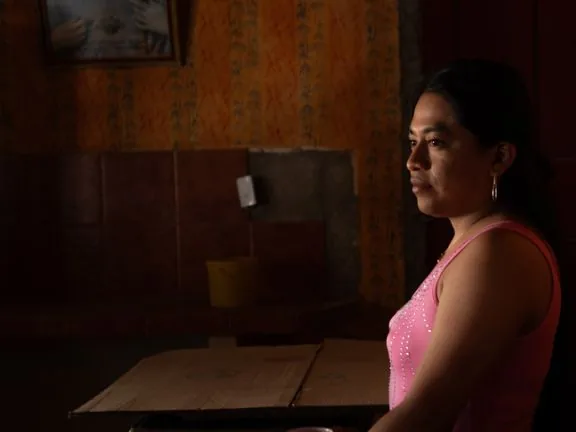
Antonio López Díaz's portraits, hung with the women's testimonies, show what that left for indigenous trans women in the Americas today: expulsion from their families, precarious lives, and the solidarity they build with each other. López Díaz says every portrait came out of conversation, time spent together and trust, and told Europa Press that resilience is what defines the show.
It fills the La Tapada room on the first floor and is covered by the €3 permanent-collection ticket, free on Sundays and on Thursdays from 14:00. The curator and the museum's mediators lead guided visits. The argument about Spain's colonial role drew attacks from El Debate and Libertad Digital, and the show has been extended to 22 November.
Editor's pick
Antonio López's photographs trace the colonial roots of discrimination against Indigenous trans women in the Americas. Free.
Good for
- Cheap Culture
- Going Solo
- Locals Who've Seen It All
Skip if
You came for the pre-Columbian gold: this is one room of contemporary portraits and testimonies.
Also at Museo de América
On now nearby

Nearby
Image credits
5
- Trans Nation: A Project by Antonio LópezCourtesy of Museo de América
- La moda a tus piesCourtesy of Museo del Traje
- De los que hicieron México su hogar: una ofrenda a la memoria del exilioCourtesy of Casa de América
- Museo de AméricaSimon Burchell, CC BY-SA 3.0
- Museo del TrajeZarateman, CC0