 i
Espacio Fundación TelefónicaGran Vía
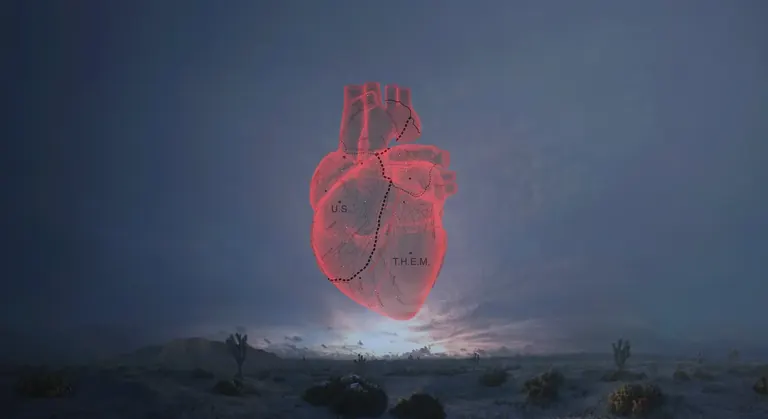
CARNE y ARENA. Alejandro G. Iñárritu
Iñárritu's Oscar-honoured virtual reality installation: a solo, roughly 20-minute immersive walk through part of the journey of Mexican and Central American migrants.
More in Madrid
Preview: written before the show opened
Before the headset goes on, you take your shoes off. At the work's earlier stops, from Milan to Los Angeles, visitors waited alone in a cold room modelled on the cells where US border agents hold migrants, among shoes found in the Arizona desert, then walked barefoot onto sand.
Then comes the virtual reality: a night walk through the desert beside migrants and refugees until a helicopter's spotlight finds the group and border agents arrive with a gun pointed at them. The people in it are not actors. Iñárritu cast migrants recruited through Casa Libre, a Los Angeles shelter, and their own stories follow the film. The Academy gave it a special Oscar in 2017.
Espacio Fundación Telefónica bills it as a solo visit of about 20 minutes across several VR stations. Booking hasn't opened yet: the foundation says it will announce tickets on its website, and no price has been published.
Editor's pick
In VR you walk a night crossing of the US–Mexico border with migrants until a helicopter spotlight and armed agents with dogs arrive. The cast are real migrants telling their own stories; Iñárritu's piece won a special Oscar.
Look for
The helicopter's spotlight
Walking with the group in the dark, you are found by a helicopter's light, then by agents shouting instructions while dogs strain at their leashes.
The attorney at the border
Listen for an agent demanding to know why a young man speaks such good English, and his answer: he is an attorney.
The participants' stories
After the film come the stories of the people in it, among them Luis from Mexico, the first undocumented immigrant to graduate from UCLA Law School.
Good for
- An Hour Or Less
- Going Solo
- Out-Of-Town Guests
About 20 min
Also at Espacio Fundación Telefónica
On now nearby
Nearby
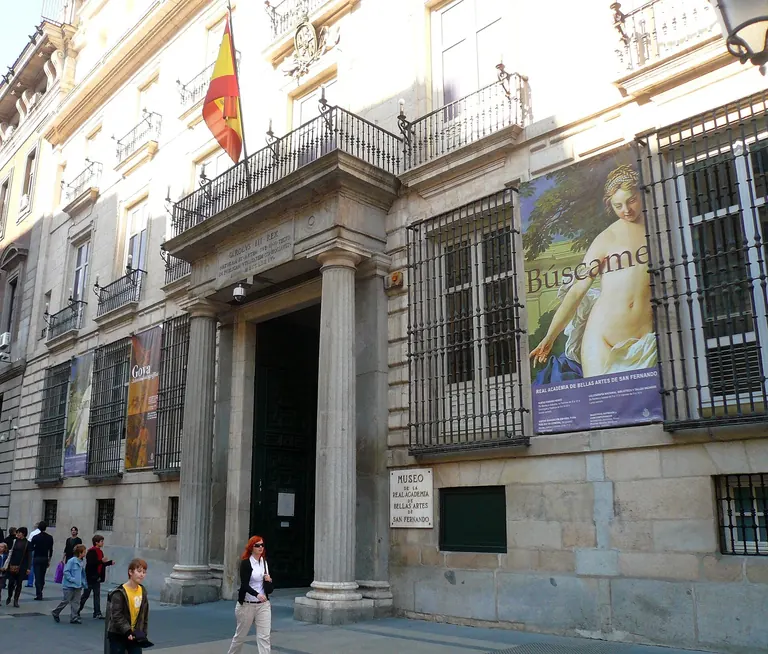
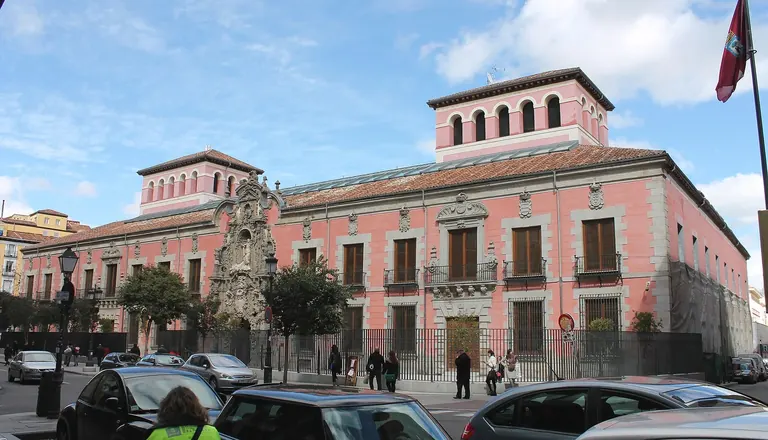
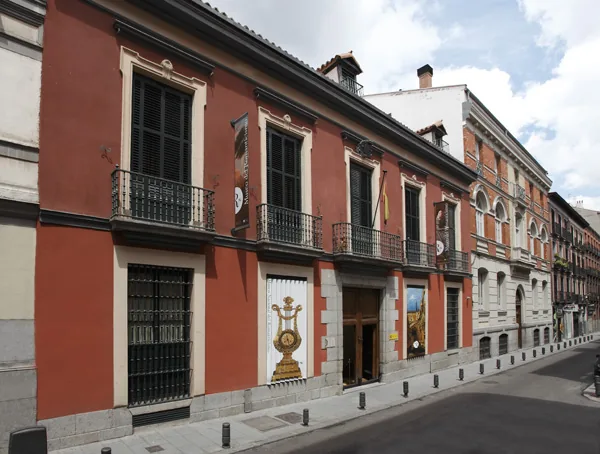
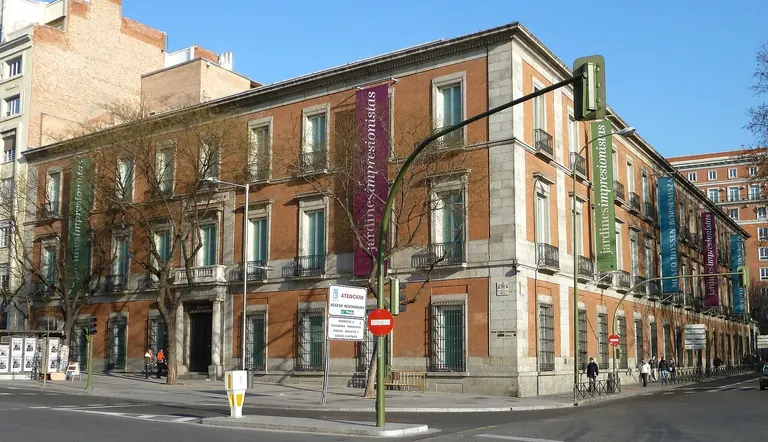
Image credits
9
- CARNE y ARENA. Alejandro G. Iñárritu© Fundación Telefónica
- Los Moreno, Art PhotographersCourtesy of Real Academia de Bellas Artes de San Fernando
- Madrid in the Golden Age: Crucible of Destinies and Landing of GeniusesCourtesy of Real Academia de Bellas Artes de San Fernando
- The American Footprint in MadridCourtesy of Real Academia de Bellas Artes de San Fernando
- Espacio Fundación TelefónicaLev (Flickr: _lev_), via Wikimedia Commons, CC BY-SA 2.0
- Real Academia de Bellas Artes de San FernandoStanislav Kozlovskiy (Ctac), Wikimedia Commons, CC BY-SA 3.0
- Museo de Historia de MadridLuis García (Zaqarbal), via Wikimedia Commons, CC BY-SA 3.0
- Museo del RomanticismoPablo Linés / Wikimedia Spain, CC BY-SA 4.0
- Museo Thyssen-BornemiszaLuis García (Zaqarbal), CC BY-SA 3.0