 i
The Huntington Library, Art Museum, and Botanical GardensSan Marino
Sandy Rodriguez: Book 13
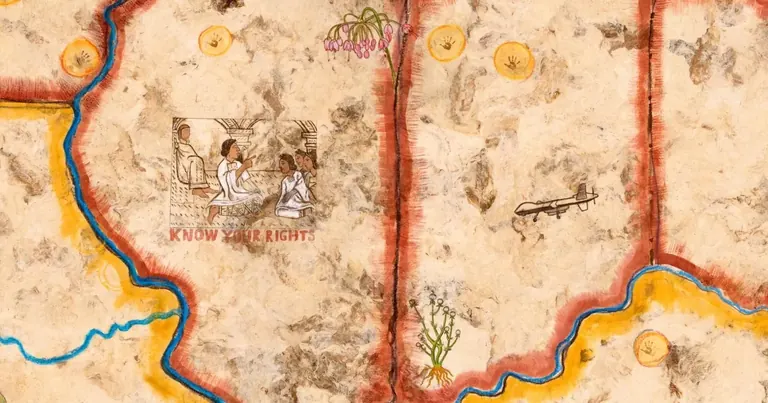
Sandy Rodriguez's largest installation to date, including a 20-foot map of the United States painted on hand-processed amate-fiber paper.
More in Los Angeles
Peccaries and armadillos, animals that live along the US-Mexico border, roam a 20-foot map of the United States painted on amate, a hand-beaten fig-bark paper the Spanish outlawed in the 16th century. Look closer and there is a Border Patrol vehicle, police in riot gear, and the whistles people blow to warn that immigration agents are near.
You meet the map first: it hangs at the entrance to the reinstalled Virginia Steele Scott Galleries of American Art. Its state lines come from 19th-century maps in the Huntington's collection, and it sets federal Indian boarding schools beside today's child detention centers. The installation also has plant portraits, a landscape painting and Book 13, a codex shaped like the 16th-century Florentine Codex but filled with recent news of ICE incidents and resistance.
Rodriguez made some of the pigments from sources like the Huntington's gardens. Entry is included with general admission ($29 Monday to Thursday, $34 at weekends), reservations are required Friday to Sunday, and the Huntington is closed on Tuesdays.
Look for
The 20-foot map
Look for peccaries and armadillos among the painted vignettes, next to a Border Patrol vehicle, riot police and warning whistles, all in watercolor and 23k gold on panels about eight feet tall.
Book 13, the codex
A hand-painted book in a gilded, tooled amate case, modeled on the Florentine Codex, with text by Diana Magaloni and pictures taken from current news of ICE incidents and resistance.
Good for
- Nerding Out
- Out-Of-Town Guests
Skip if
You want a museum visit away from the news: the map pictures Border Patrol, riot police and detention directly.
Also at The Huntington Library, Art Museum, and Botanical Gardens
On now nearby
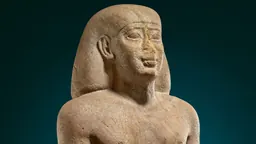
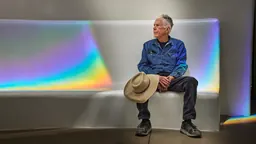
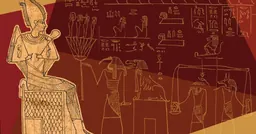
Image credits
5
- Sandy Rodriguez: Book 13Courtesy of The Huntington Library, Art Museum, and Botanical Gardens
- Sculpted Portraits from Ancient Egypt© The Trustees of the British Museum. All rights reserved
- Charles Ross: Spectrum 14Courtesy of Getty Center
- The Egyptian Book of the DeadCourtesy of Getty Villa
- The Huntington Library, Art Museum, and Botanical GardensAaron Logan / Wikimedia Commons, CC BY 1.0