 i
The Museum of Contemporary Art, Los Angeles (MOCA)Downtown
Julian Charrière: Deep End
Immersive environments by Julian Charrière on water systems and planetary fragility, including a new commission for the inaugural Schmidt Environment and Art Prize.
More in Los Angeles
Preview: written before the show opened
A coral reef near Port Antonio, Jamaica, will play live in the gallery. That is Hope Line (2026), the new commission Julian Charrière made for the inaugural Eric and Wendy Schmidt Environment and Art Prize, and it is the first LA museum presentation of his work.
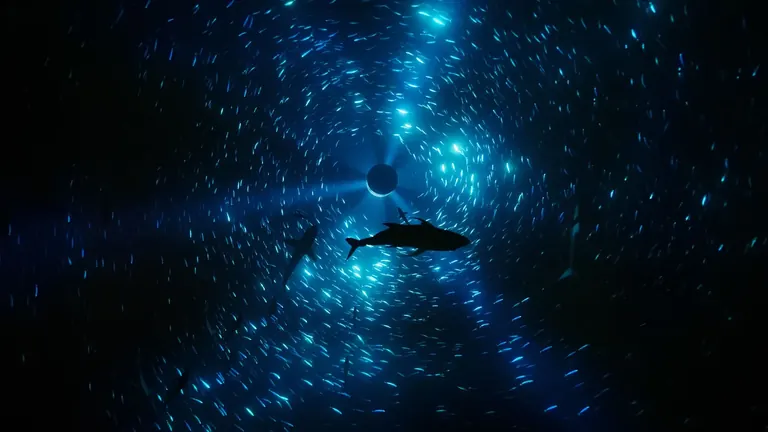
The other centrepiece is Midnight Zone, a film and installation about a descent into the Pacific above the Clarion-Clipperton Fracture, shown for the first time in the US. It runs as a 56-minute loop in 4K with a 3D ambisonic soundtrack, in a darkened space. Elsewhere the materials include bitumen, ground coral and mud from the deep seafloor, and a Fresnel lighthouse lens rotates in a custom-built structure, casting a ghostly light. Fifty-six minutes is about one episode of whatever you're bingeing, minus the skip-intro button.
It opens 15 November and runs to 6 June 2027. General admission to MOCA Grand Avenue is free, with advance reservations recommended. A curator-led walkthrough is scheduled for 12 December.
Editor's pick
A live stream from a coral reef off Port Antonio, Jamaica, runs in the gallery, made for the first Schmidt Prize. Beside it: Midnight Zone, a 56-minute film loop in its US premiere, and a rotating Fresnel lens.
Look for
Hope Line (2026)
A new commission built around a live stream of a coral reef near Port Antonio, Jamaica.
Midnight Zone (2024)
A 4K film of a descent into the Pacific above the Clarion-Clipperton Fracture, looping for 56 minutes with 3D ambisonic sound.
The Fresnel lens
A lighthouse lens rotating inside a custom-built structure and casting a ghostly light across the dark space.
Good for
- Cheap Culture
- Out-Of-Town Guests
Also at The Museum of Contemporary Art, Los Angeles (MOCA)
On now nearby



Nearby
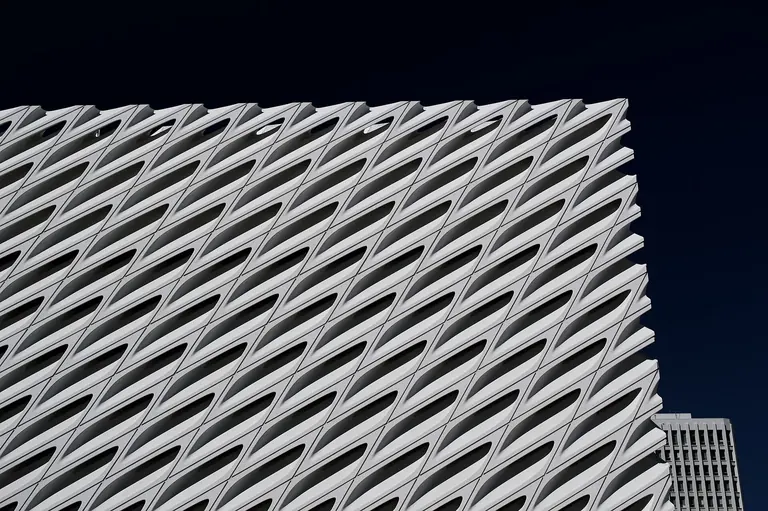
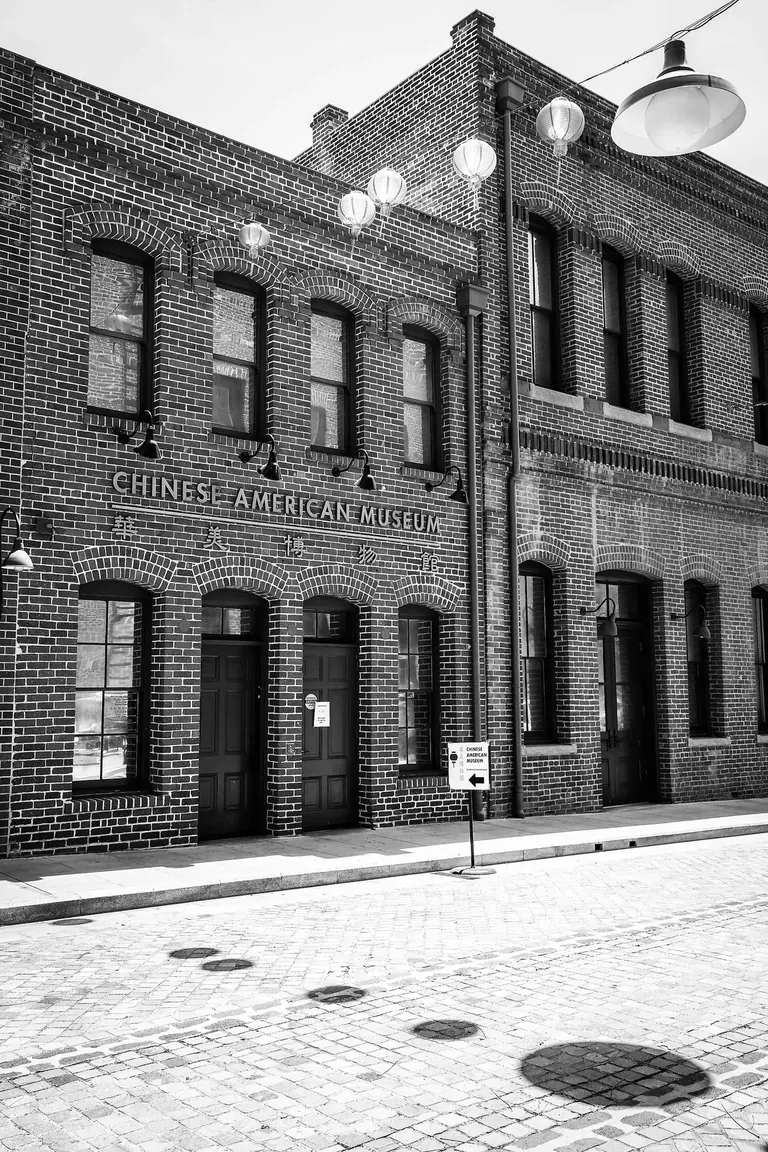
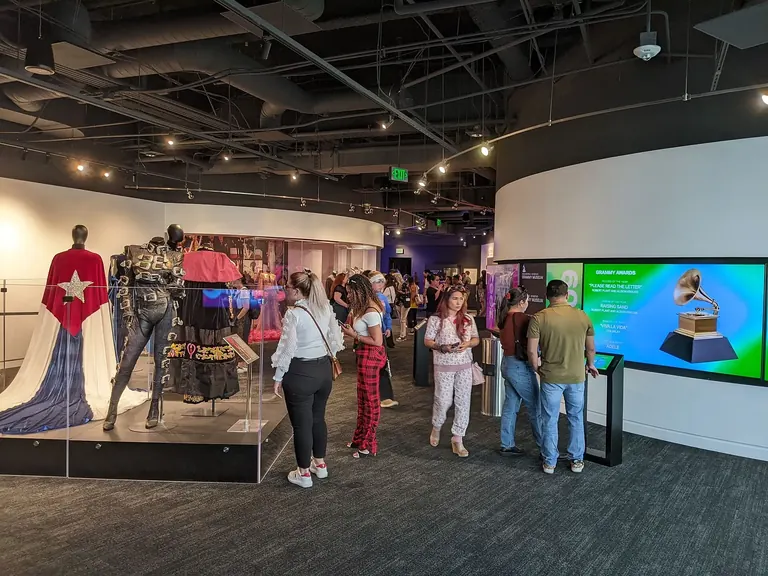
Image credits
8
- Julian Charrière: Deep End© 2025 ProLitteris, Zürich; Copyright the artist.
- Seasons in Cosmos: Works by Diana Shuiu WongCourtesy of Chinese American Museum
- Olivia Rodrigo: the cure unraveledCourtesy of GRAMMY Museum L.A. LIVE
- Olivia Rodrigo: note by noteCourtesy of GRAMMY Museum L.A. LIVE
- The Museum of Contemporary Art, Los Angeles (MOCA)Benoît Prieur / Wikimedia Commons, CC0
- The BroadLeviclancy / Wikimedia Commons, CC0
- Chinese American MuseumVisitor7 / Wikimedia Commons, CC BY-SA 3.0
- GRAMMY Museum L.A. LIVEJeremy Thompson / Wikimedia Commons, CC BY 2.0