 i
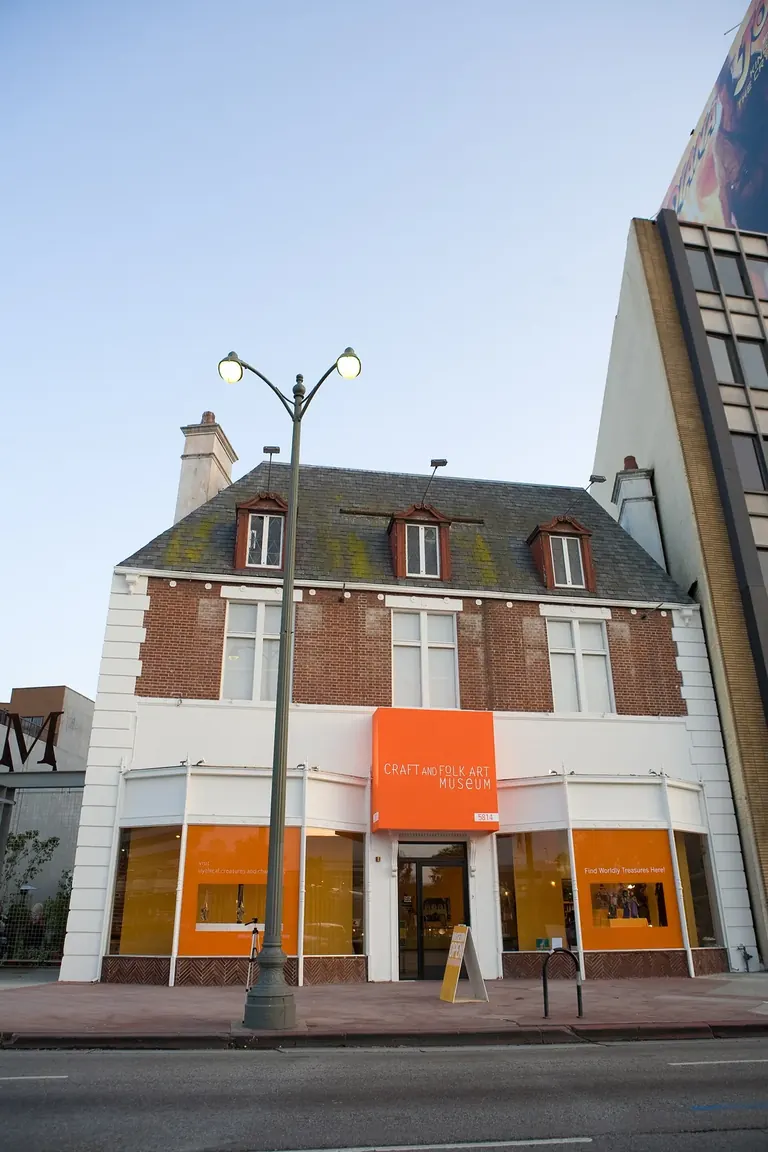
Craft ContemporaryMiracle Mile / Museum Row
tierra
This exhibition has ended.
Clay Biennial show on earth-based practice by Latinx, Indigenous and Black artists, exploring land, ancestral knowledge and colonial extraction.
Museum websiteMore in Los Angeles
The wall labels are printed on recycled paper dyed with Los Angeles soil, and the gallery walls are painted with terra cotta and red iron oxide pigments. In this Clay Biennial, even the surfaces are made of dirt.
Fourteen Latinx, Indigenous and Black artists work in adobe, masa, sand, rock and soil as well as clay, across three floors. You start on the first floor with Jackie Amézquita's residency, where visitors cast the inside of their hands in soil, masa and ocean water. The second floor is about lineage and matriarchal knowledge; the third sets extraction beside repair. Anyone in the US can also mail Amézquita soil from home until 25 October: it's the only museum on Museum Row asking for your dirt.
Glasstire called the show "both cohesive and expansive" and says no single work carries it, so give the commissioned texts time. Admission is $12, free for 12 and under, and pay what you wish on Sundays. Amézquita's last Friday on site is 23 October.
Look for
The walls and labels
Look closely at the walls, painted with terra cotta and red iron oxide pigments, and at labels on recycled paper dyed with Los Angeles soil.
Karla García's border vessels
Her terracotta and glaze pieces are open at the top and bottom, like the bridges joining Juárez and El Paso, partly made from clay she has carried along the border.
Between Root, Body, and Breath
On the first floor, Amézquita's field of hand-cast earthen forms keeps growing as visitors press soil, masa and ocean water into the hollow of their hands.
Good for
- Going Solo
- Locals Who've Seen It All
- Nerding Out
Skip if
You want glazed pots on plinths: this biennial widened beyond ceramics into soil, adobe, video and text.
With kids
Children 12 and under get in free. During Amézquita's public sessions, visitors can cast the inside of their hands in earth for her growing sculpture.
Also at Craft Contemporary
On now nearby
Nearby
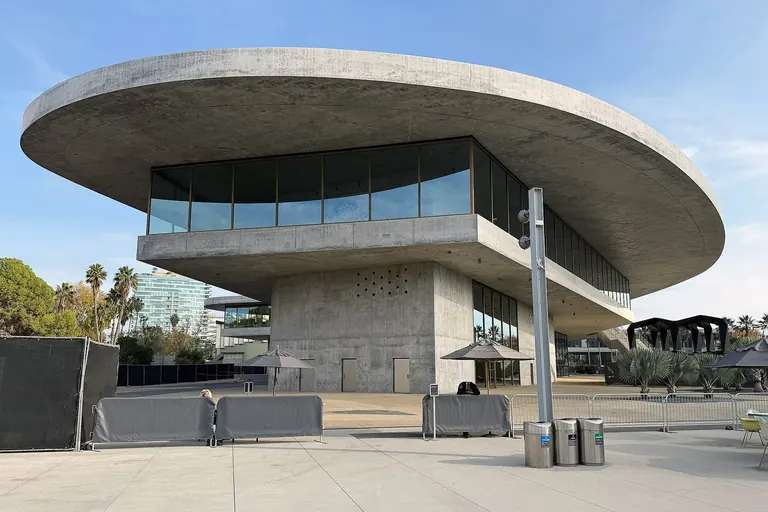
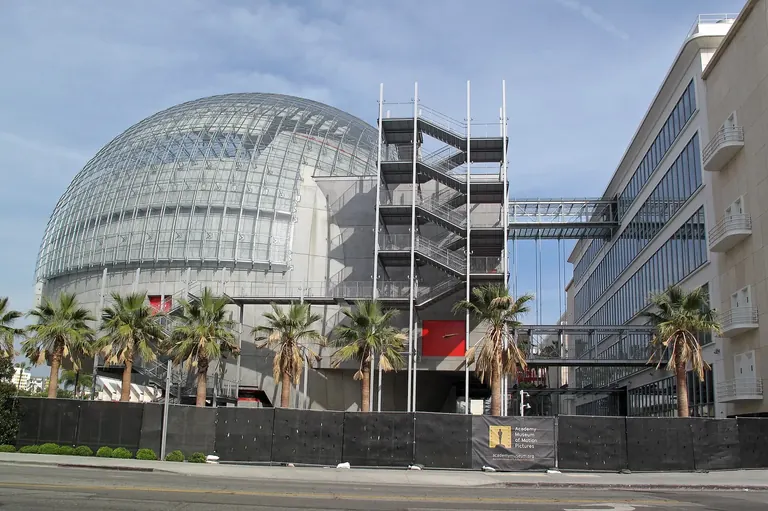
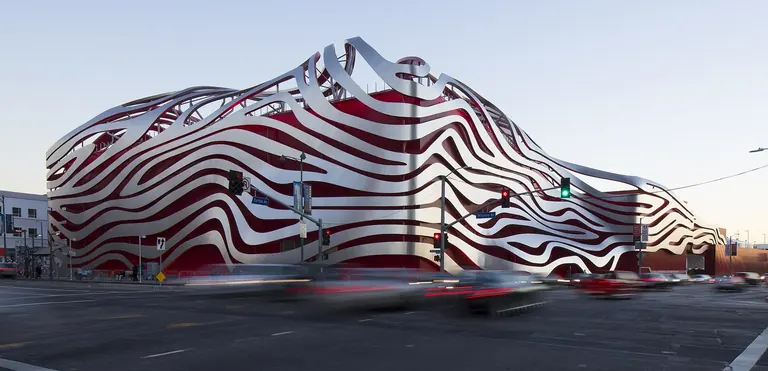
Image credits
7
- Craft ContemporaryPaul Esposito / Wikimedia Commons, Public domain
- Alfonso Gonzalez Jr.: In Between Stops© Alfonso Gonzalez Jr., photo © Museum Associates/LACMA, by Charlie Powers
- Danse Macabre: Death in Print from Durer to DixCourtesy of Los Angeles County Museum of Art (LACMA)
- Pablo Picasso—Portraits in Disguise© Estate of Pablo Picasso/Artists Rights Society (ARS), New York, photo © Museum Associates/LACMA
- Los Angeles County Museum of Art (LACMA)ArchEyes Magazine / Wikimedia Commons, CC BY 4.0
- Academy Museum of Motion PicturesDowntowngal / Wikimedia Commons, CC BY-SA 4.0
- Petersen Automotive MuseumDavid Zaitz / Wikimedia Commons, CC BY-SA 4.0