 i
Wellcome CollectionEuston
The Coming of Age
Over 150 artworks and objects explore how experiences of ageing across all life stages are shaped by environment, culture and society, and what greater longevity means.
More in London
Since 1963, Japan has given every citizen who turns 100 a silver sake cup. In the first year it handed out 153. By 2014 it was over 29,000, and the government switched to a cheaper nickel substitute. Some of those cups are in this show, and they set up its main question: what is a 100-year life worth once it becomes ordinary?
About 150 artworks and objects run along a dimly lit, zigzagging path in Gallery 1. They cover teenagers as well as old age, from European prints of people supposedly aged 172 to Paula Rego, Darwin's walking stick and a life-expectancy calculator. At the entrance a board asks "Is age really just a number?" and you answer on a card.
The Times gave it four stars and called it "an exhibition that gives you hope about getting old". The Museums Journal found it heartening, with one complaint: the AI artworks by niceaunties sit awkwardly in an otherwise very human show. It's free.
Editor's pick
Over 150 artworks and objects on how environment, culture and society shape ageing at every stage of life. Entry is free.
Look for
Darwin's walking stick
His cane, with a skull on it, stands beside Daphne Wright's sculpture Zimmer, which is about the tension between support and frailty.
William Utermohlen's self-portraits
Painted after his Alzheimer's diagnosis in 1995, they show his perception and sense of space changing as the illness progressed.
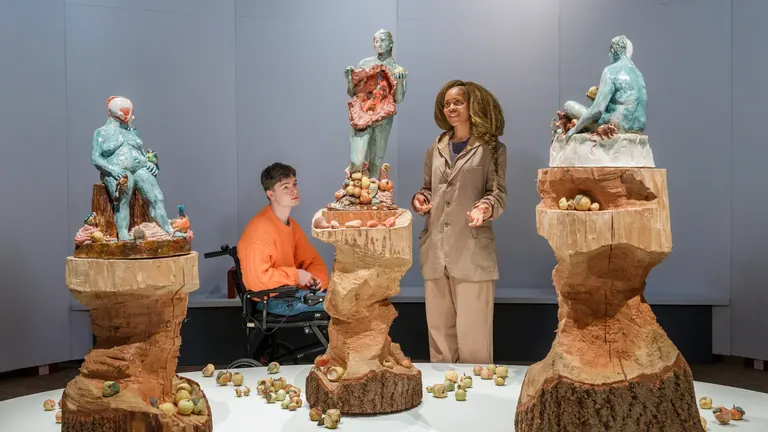
Serena Korda's Crones
Figures modelled on West Country women aged 44 to 76, surrounded by scattered apples, that treat menopause as a transformation rather than a loss.
The Pepper robot
A care robot trialled by the Japanese government and dropped in 2021 for lack of demand, displayed switched off and alone.
Unclaimed
An interactive lost property office in which every object carries a story from someone over 70 in Camden.
Good for
- Cheap Culture
- Nerding Out
Also at Wellcome Collection
On now nearby


Nearby
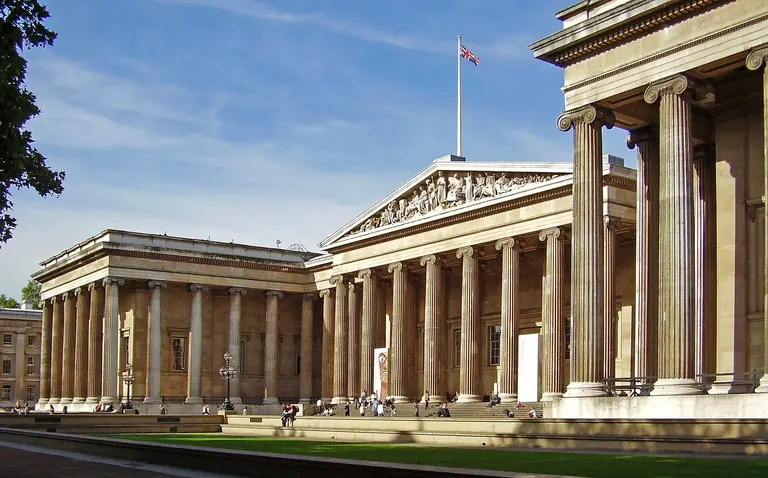
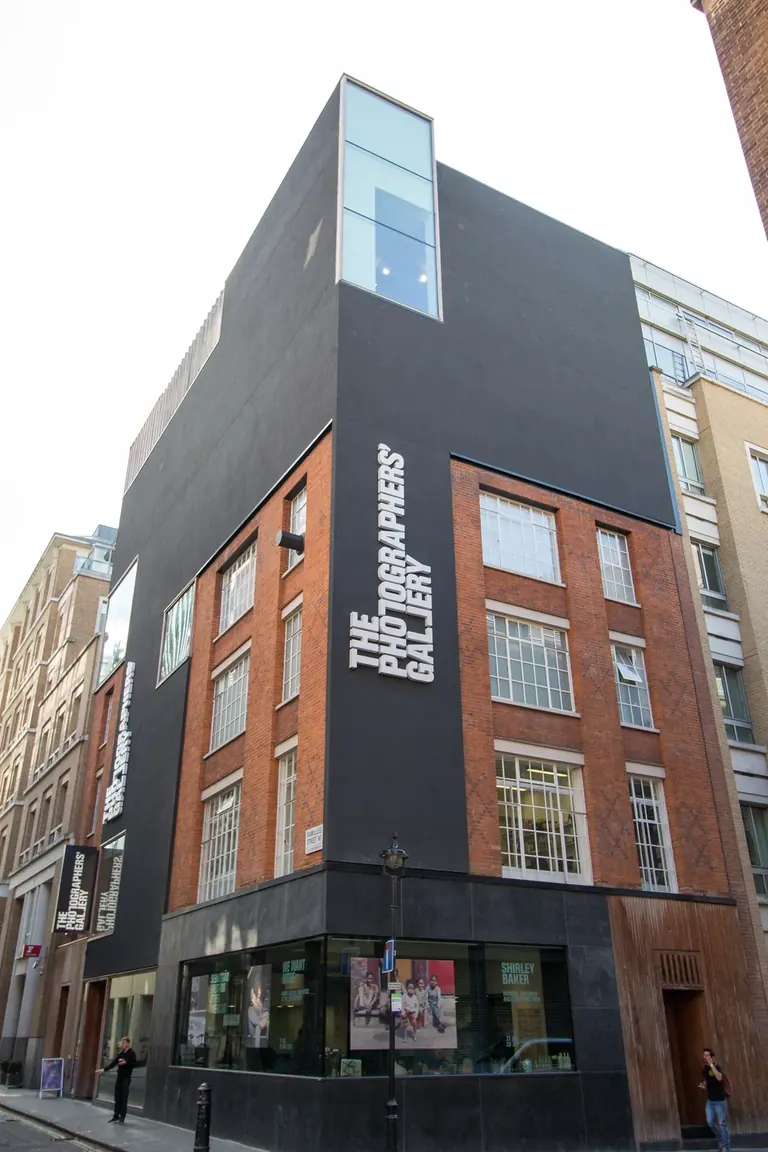
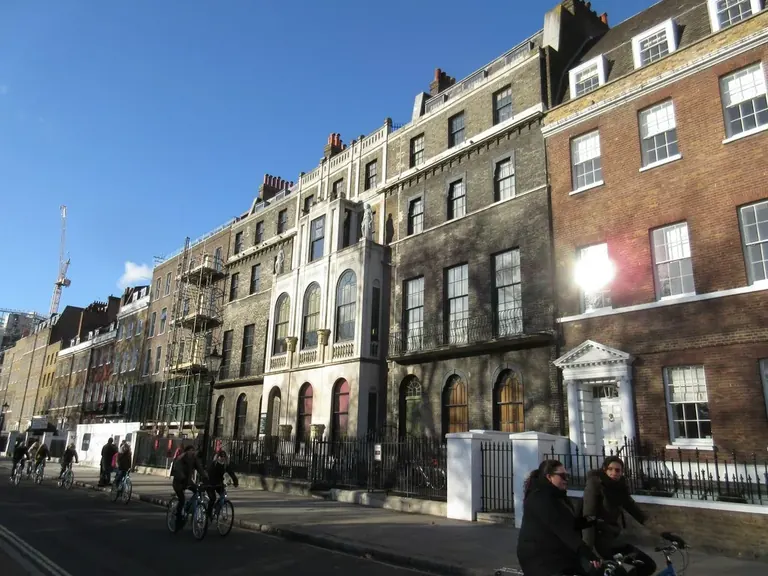
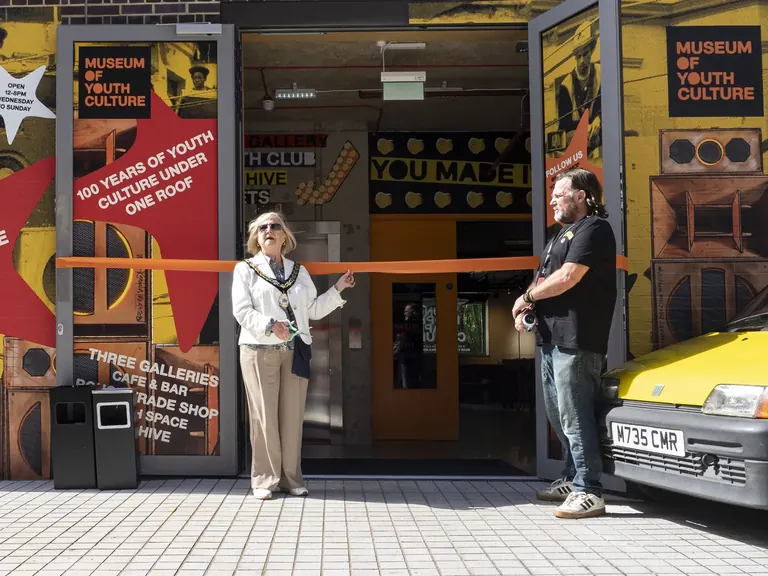
Image credits
9
- The Coming of AgePhoto: Steven Pocock. Source: Wellcome Collection
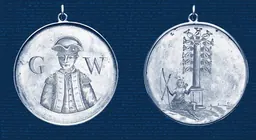
- Declaring Independence: USA 250Courtesy of British Museum
- KoreaCourtesy of British Museum
- Multiplied wonders: Italian Renaissance woodcutsCourtesy of British Museum
- Wellcome CollectionOsama Shukir Muhammed Amin FRCP(Glasg) / Wikimedia Commons, CC BY-SA 4.0
- British MuseumHam / Wikimedia Commons, CC BY-SA 4.0
- The Photographers' GalleryThe wub / Wikimedia Commons, CC BY-SA 4.0
- Sir John Soane's MuseumSarah Smith / Wikimedia Commons, CC BY-SA 3.0
- Museum of Youth CultureDebbie Sears / Museum of Youth Culture