 i
National GalleryWest End
German Expressionism: Modern Painting 1900-1918
Around 50 German Expressionist paintings from collections worldwide, revealing an alternative story of modern art, 1900–1918.
Guided tours of National Gallery
More in London
Preview: written before the show opened
In 1913 Kandinsky painted Improvisation 30 (Cannons), and wrote to Arthur Jerome Eddy, a Chicago collector friend, that the cannons "could probably be explained by the constant war talk going on through the year". The war came the next year and broke up both groups in this show.
If you know the Gallery's rooms after 1800, you know them as mostly French. This is its first exhibition of modern German painting, and the first in the UK or Ireland since the 1960s to show Die Brücke and Der Blaue Reiter together. Die Brücke began in Dresden with self-taught painters such as Kirchner and Heckel. Der Blaue Reiter formed in Munich around Kandinsky and Gabriele Münter. Over 50 loans come from Berlin's Neue Nationalgalerie and Brücke Museum, Tate and private collections.
It hangs in the Sainsbury Wing. Ticket prices aren't announced yet; members go free. After London it moves to the National Gallery of Ireland in Dublin.
Look for
Kandinsky, Improvisation 30 (Cannons), 1913
Lent by the Art Institute of Chicago: one of the improvisations Kandinsky called spontaneous, with the cannons of its title worked in among the colour and line.
Kirchner, Reclining Blue Nude with Straw Hat, 1909
A Die Brücke nude painted blue, lying down and wearing nothing but a straw hat, lent from a private collection.
Münter, Boat trip with Kandinsky, 1909
Gabriele Münter's picture of a boat outing with Kandinsky aboard, the two painters at the centre of Der Blaue Reiter, from a private collection.
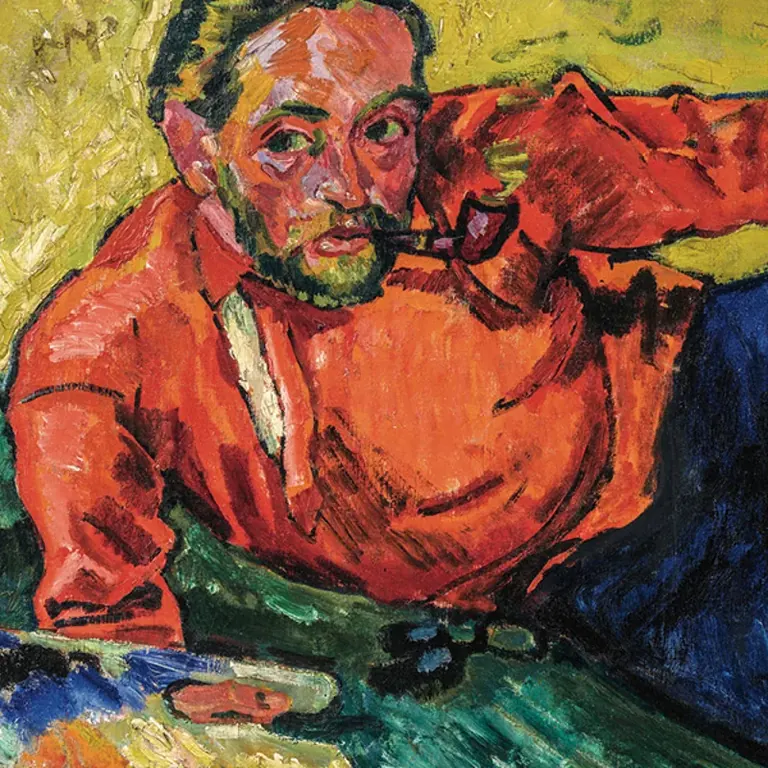
Pechstein, Self-portrait, reclining, 1909
Max Pechstein painted himself lying down; a detail of it heads the Gallery's own page for the show.
Good for
- Nerding Out
- Out-Of-Town Guests
Free in the same building
- East Wing: 1700–1900From Turner and Constable to Monet, Renoir, Seurat, and Van Gogh's Sunflowers: Romanticism through Post-Impressionism.
- North Wing: 1600–1700Baroque masters in full force: Rembrandt, Rubens, Caravaggio, Velázquez, and Vermeer across the seventeenth century.
- Sainsbury Wing: 1250–1500Medieval and Early Renaissance masterpieces (Botticelli, van Eyck, Piero della Francesca) in the gallery's landmark wing.
- West Wing: 1500–1600Italian High Renaissance at its peak (Leonardo, Raphael, Michelangelo, Titian) alongside German and Flemish masters.
Also at National Gallery
On now nearby
Nearby

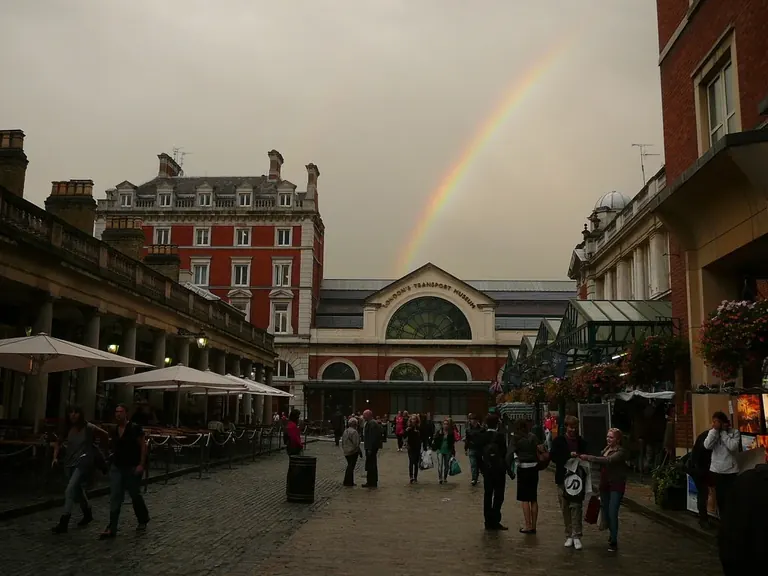
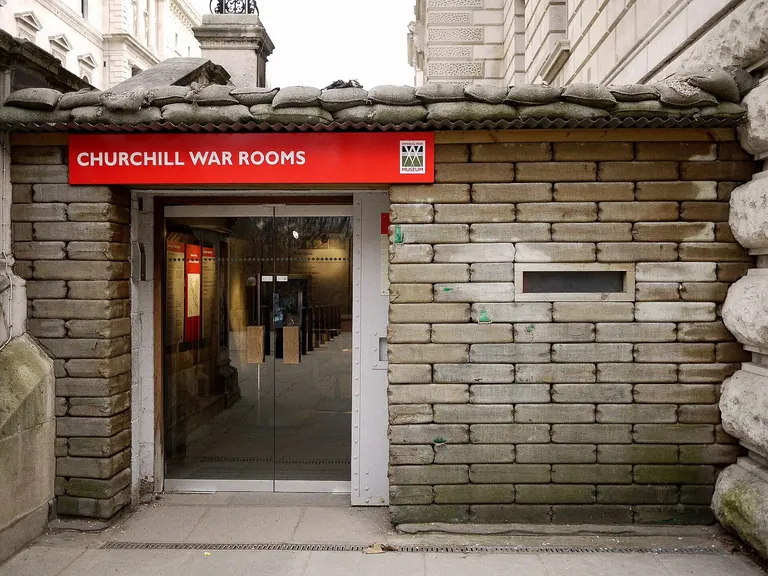
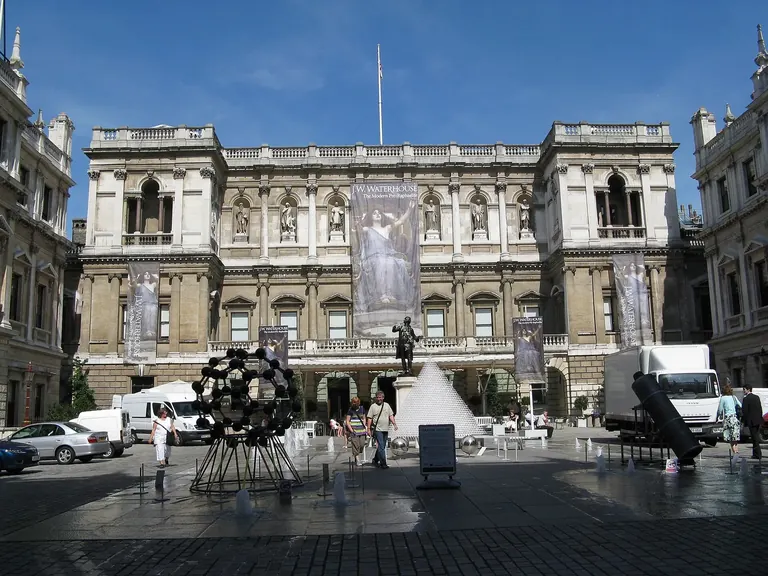
Image credits
9
- German Expressionism: Modern Painting 1900-1918Courtesy of National Gallery
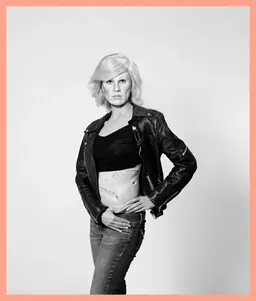
- Gillian Wearing: Spiritual FamilyGillian Wearing ('Me as Warhol in Drag with Scar'), by Gillian Wearing, 2010, NPG P2104 © Gillian Wearing, courtesy Maureen Paley, London, Tanya Bonakdar Gallery, New York and Regen Projects, Los Angeles
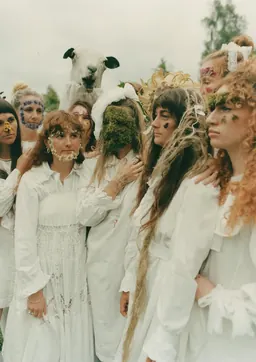
- Winston Taylor Photo Portrait Prize 2026Courtesy of National Portrait Gallery
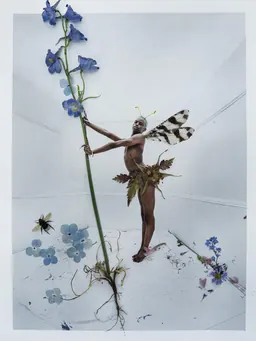
- Tim Walker's Fairyland: Love and LegendsCourtesy of National Portrait Gallery
- National GalleryCarlos Delgado / Wikimedia Commons, CC BY-SA 3.0
- National Portrait GalleryIstvánka / Wikimedia Commons, CC BY-SA 4.0
- London Transport MuseumColin Park / Wikimedia Commons, CC BY 2.0
- Churchill War RoomsJenny Poole / Wikimedia Commons, CC BY-SA 2.0
- Royal Academy of ArtsYair Haklai / Wikimedia Commons, CC BY-SA 4.0