 i
Uffizi GalleryCentro Storico
At the Pitti Palace: The "Very Best" of the King's Furniture
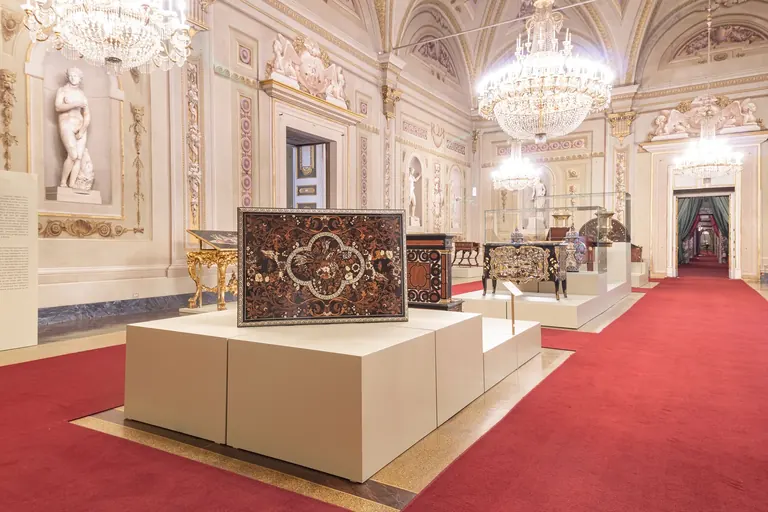
Sixteen masterpieces of royal furniture spanning three centuries (17th–19th) and three dynasties (the Medici, Lorraine, and Savoy), displayed in the Palatine Gallery's Niche Room at Pitti Palace. Highlights include Giovanni Socci's legendary mechanical writing desk, Sèvres vases, and a stipo offering a miniature replica of the Pitti Palace itself.
More in Florence
One cabinet in this room is a miniature of the building around it: a stipo that reproduces Pitti Palace to scale. It is one of 16 pieces of royal furniture covering three dynasties, Medici, Lorraine and Savoy, across the 17th to 19th centuries.
The Niche Room, on the first floor of the Palatine Gallery, arranges them in chronological order. Gemstone inlay from the Uffizi's grand ducal workshops gives way to Lorraine lacquers and curving lines, then Napoleon's sister Elisa Baciocchi's Empire style, then Savoy revivals. Giovanni Socci's mechanical writing desk is here. A desk with a closing mechanism is the 17th-century answer to the tab you shut when your boss walks past.
It is one room, so it works as a stop within a Palatine Gallery visit. A standard museum ticket covers it. Director Simone Verde says the section makes the royal palace more legible to visitors. It is open until 31 December 2026.
Editor's pick
Sixteen pieces from three dynasties in the Palatine Gallery's Niche Room, including Socci's mechanical writing desk and a cabinet built as a miniature of the Pitti facade: the palace's souvenir, centuries before the gift shop.
Look for
Giovanni Socci's mechanical writing desk
A 17th-century desk with a closing mechanism, described by the museum as legendary.
The Pitti Palace stipo
A cabinet built as a perfect scale reproduction of the palace you are standing in.
Leonardo van der Vinne's kneeling stool
A prie-dieu-style kneeling stool decorated with precious stones.
Sèvres and Chinese vases
Porcelain vases from the Sèvres manufacture alongside others imported from China.
Grand ducal gemstone inlay
Virtuoso 17th-century intarsia and commesso, with stones set into furniture by the Uffizi's grand ducal workshops.
Good for
- An Hour Or Less
- Nerding Out
Also at Uffizi Gallery
- At Palazzo Pitti the 20th century showcased in 40 dreamlike dresses: the new arrangement at the museum of Costume and Fashion16 July 2025 – 31 December 2026
- Ferdinando Sarmi New York: A Journey Through Fashion from Florence to Fifth Avenue18 June 2026 – 31 December 2026
- Magnifico 149230 November 2026 – 1 March 2027
On now nearby

Nearby
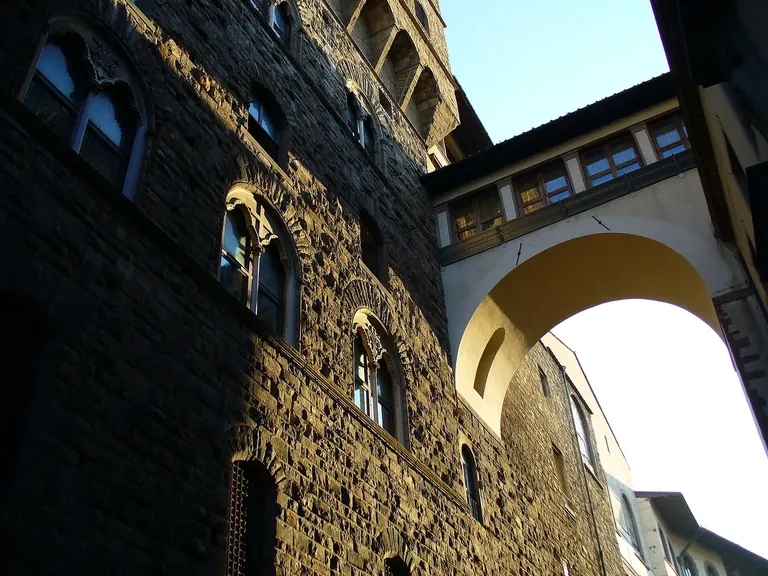
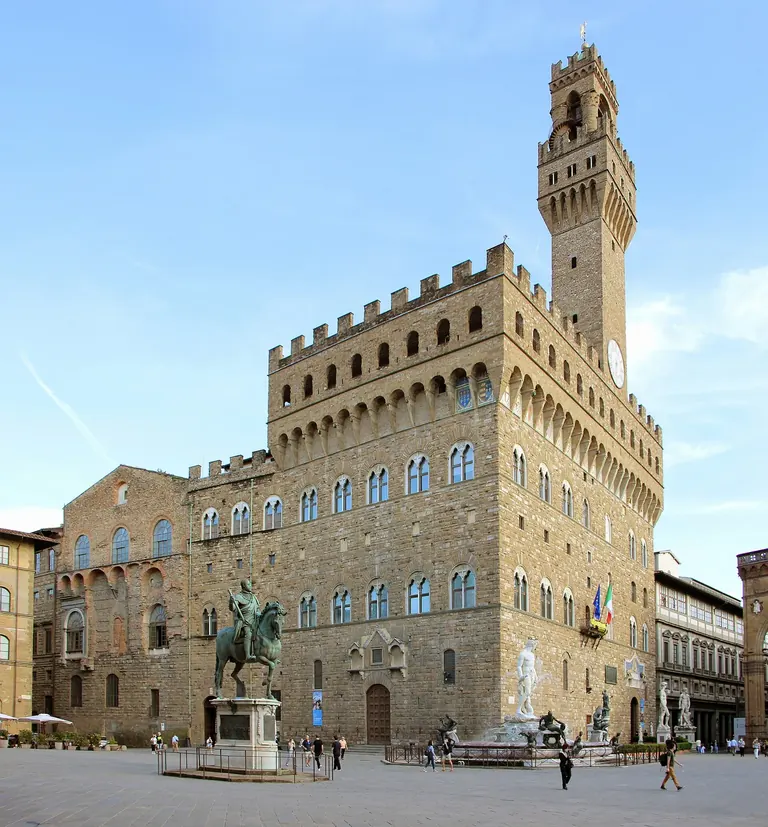
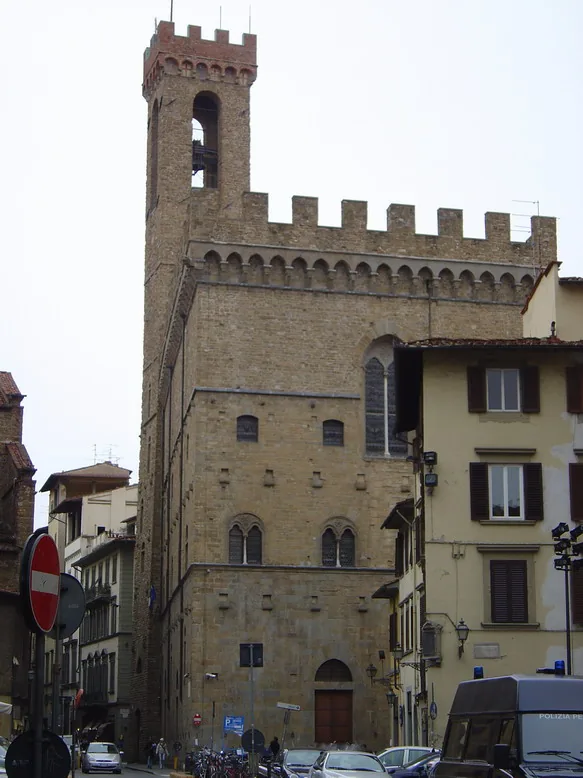
Image credits
9
- At the Pitti Palace: The "Very Best" of the King's FurnitureCourtesy of Uffizi Gallery
- Vasari Corridor: Friday Evening OpeningCourtesy of Vasari Corridor
- The King's Furniture: Royal Masterpieces across Three DynastiesCourtesy of Palazzo Pitti
- Ferdinando Sarmi New York: A Journey in Fashion from Florence to Fifth AvenueCourtesy of Palazzo Pitti
- Uffizi GalleryArek N. (Arkadiusz Nanowski), CC BY-SA 3.0
- Museo GalileoEbonaiuti / Wikimedia Commons, CC BY-SA 4.0
- Vasari CorridorFreepenguin, CC BY-SA 3.0
- Palazzo VecchioFrancesco Bini / Wikimedia Commons, CC BY-SA 4.0
- Museo Nazionale del BargelloEcemaml / Wikimedia Commons, CC BY-SA 3.0