 i
Art Institute of ChicagoGrant Park / Loop
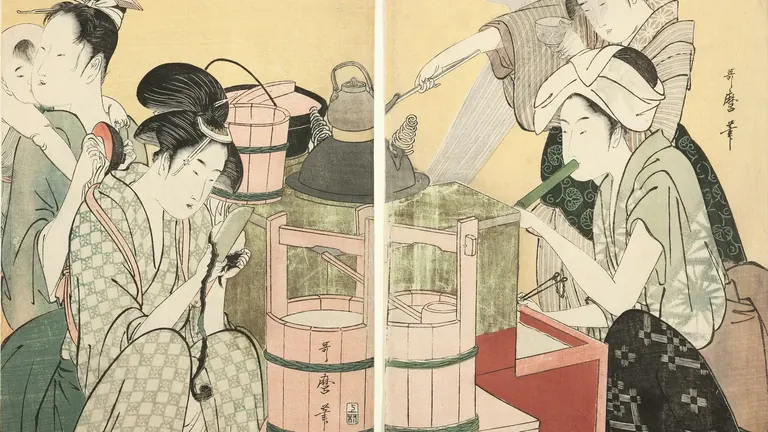
Utamaro: Elements of Beauty
More than 40 of the ukiyo-e master Kitagawa Utamaro's most celebrated woodblock designs, all drawn from the Art Institute's own Japanese print collection.
More in Chicago
In 1789 eight poets took a boat to the Bay of Shinagawa, just south of Edo, drank, combed the beach and made up comic verses about what they found. Utamaro turned the outing into a picture book, with the poems printed above shells, rocks and seaweed, and a page of it is in this room.
Around it are more than 40 of his designs, all from the Art Institute's own Japanese print collection, in Gallery 107. Utamaro drew the courtesans and geisha of the Yoshiwara, Edo's pleasure district, often in tight close-up, and ordinary women cooking and cleaning at home. You can follow a whole day in the Yoshiwara through six sheets of one series, from the Hour of the Hare at 6am to the Hour of the Ox at 2am.
It is a collection rotation in a single gallery, so it comes with general museum admission and needs no separate ticket. On Thursdays the museum stays open until 8pm.
Editor's pick
More than 40 of Kitagawa Utamaro's best-known woodblock designs, all drawn from the Art Institute's own Japanese print collection.
Look for
The Twelve Hours in Yoshiwara
Six sheets from this series track the pleasure district's day hour by hour, from the Hour of the Hare at 6am to the Hour of the Ox at 2am.
A page from Gifts of the Ebb Tide
Look for a page from the 1789 shell book, made after a poets' beach outing at Shinagawa, whose sheets set comic verse above shells, rocks and seaweed.
Myriad Birds
In this picture book each double-page spread pairs two birds with playful love poems written in the birds' own voices.
Women at work at home
Two kitchen scenes, a woman preparing a meal and three sheets of a household cleaning for the New Year show Utamaro's ordinary women rather than courtesans.
Good for
- An Hour Or Less
- Nerding Out
- Rainy Days
Also at Art Institute of Chicago
On now nearby

Nearby
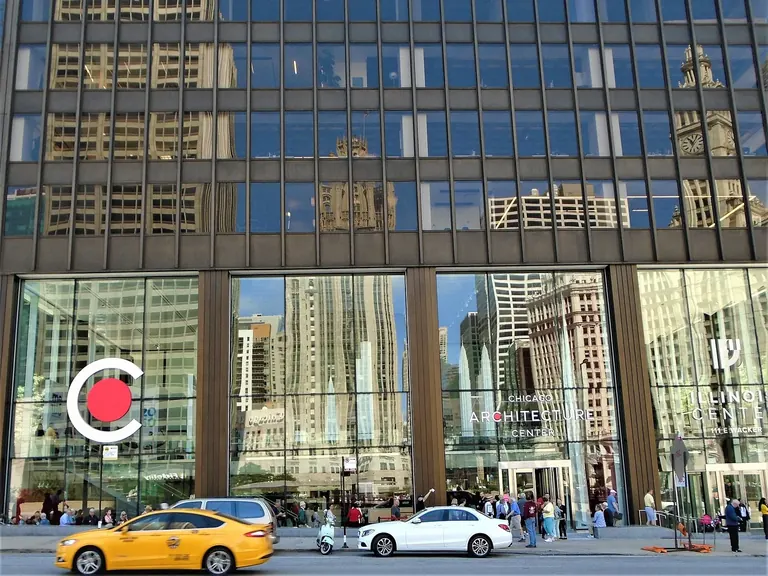
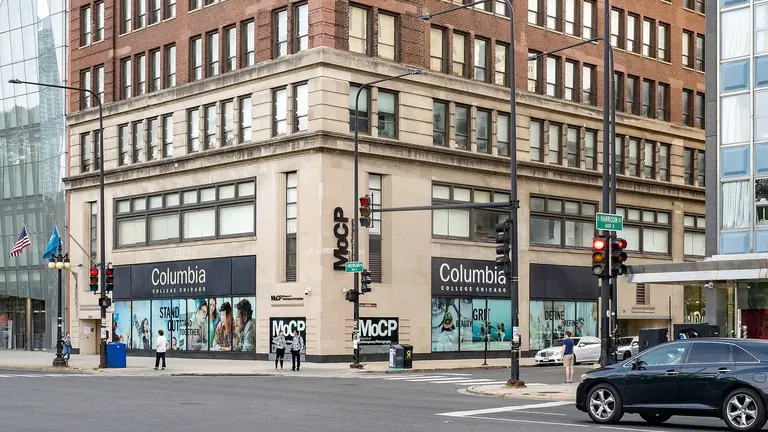
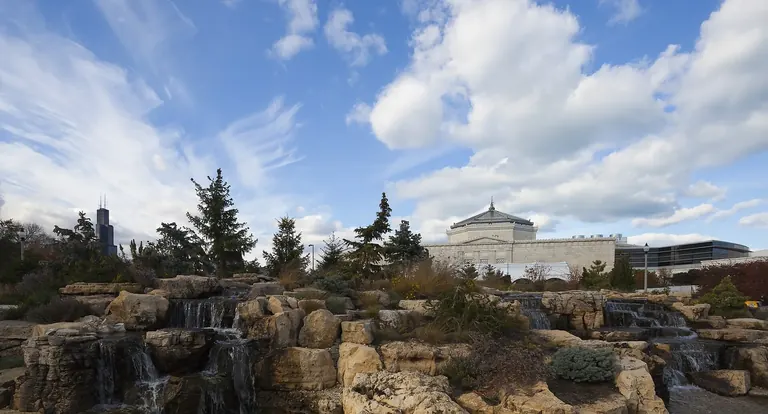
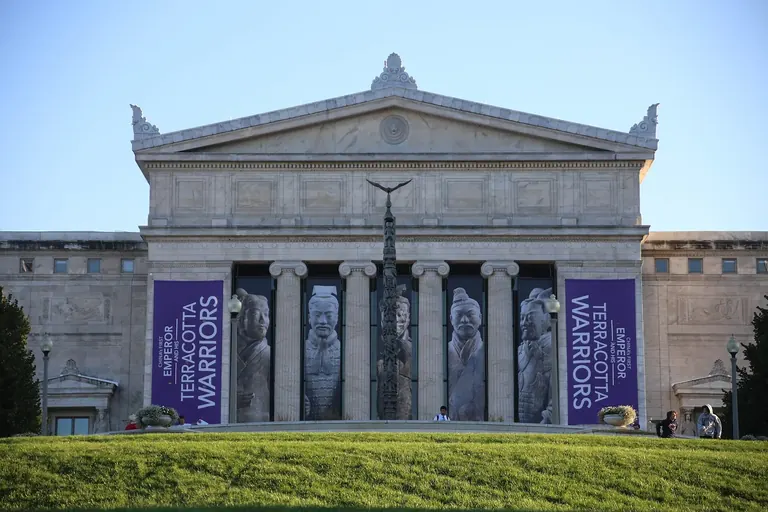
Image credits
9
- Utamaro: Elements of BeautyCourtesy of Art Institute of Chicago
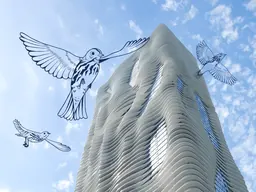
- Flyway City: Architecture for a Flourishing EcosystemPhoto by Steve Hall, courtesy of Studio Gang.
- Chicago's Living HabitatPhoto by Madison Smith
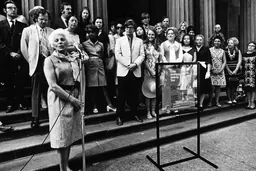
- Currents: 60 Years of the Chicago Architecture CenterCourtesy of Chicago Architecture Center
- Art Institute of ChicagoDiego Delso, via Wikimedia Commons, CC BY-SA 3.0
- Chicago Architecture CenterAlanscottwalker / Wikimedia Commons, CC BY-SA 4.0
- Museum of Contemporary PhotographyAjay Suresh via Wikimedia Commons, CC BY 2.0
- Shedd AquariumDiego Delso, via Wikimedia Commons, CC BY-SA 3.0
- Field MuseumPaul Sableman via Wikimedia Commons, CC BY 2.0