 i
Museum of Fine Arts, BostonFenway
Kawada Kikuji: Chizu (The Map)
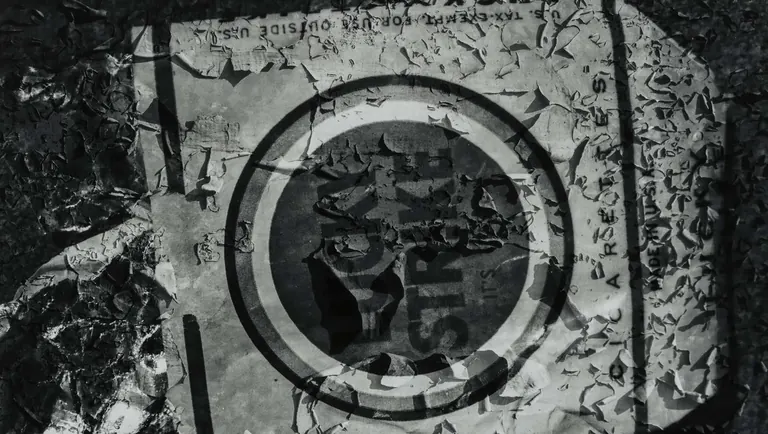
Kawada Kikuji's 1965 photobook Chizu, in which Coca-Cola bottles, ruined fortresses and the stained walls of the Hiroshima Atomic Bomb Dome resist any single narrative of postwar Japan.
More in Boston
Preview: written before the show opened
The ceiling of Hiroshima's Atomic Bomb Dome, swirled with stains, shares a book with discarded Coca-Cola bottles and Lucky Strike packets. Kawada Kikuji published that book, Chizu (The Map), on 6 August 1965, twenty years to the day after the bombing, and it is counted among the most important photobooks ever made.
In 2022 the MFA acquired the whole project directly from Kawada: the book's 87 photographs, their negatives, his binders of contact sheets and notes, and a first edition. This show is built from that archive, so you see the prints next to the working material behind them. Sugiura Kohei designed the book and the Nobel laureate Oe Kenzaburo wrote its main text. The museum calls the images "eerily apocalyptic".
It hangs in the Herb Ritts Gallery (Gallery 169) from 24 October, included with $30 admission, and the museum stays open until 10 pm on Thursdays and Fridays.
Look for
The Atomic Bomb Dome
Look for the swirled, ravaged stains on the walls and ceiling of the dome's skeletal remains, photographed over repeated visits to Hiroshima from 1958.
LUCKY STRIKE
A discarded American cigarette packet shot in black and white, one of the occupation-era leftovers Kawada set against the ruins.
The first-edition photobook
An original copy of Chizu, whose box asks in English: "Where is our map today, our vision, our radiant order?"
Contact sheets and notes
Kawada's own binders of contact sheets and personal notes, acquired with the prints and negatives straight from the photographer.
Good for
- Evening Visits
- Nerding Out
- Out-Of-Town Guests
Also at Museum of Fine Arts, Boston
On now nearby
Nearby
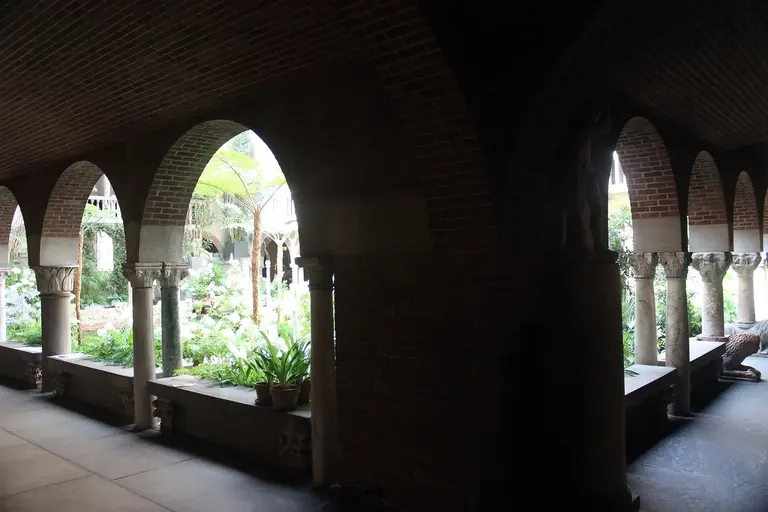
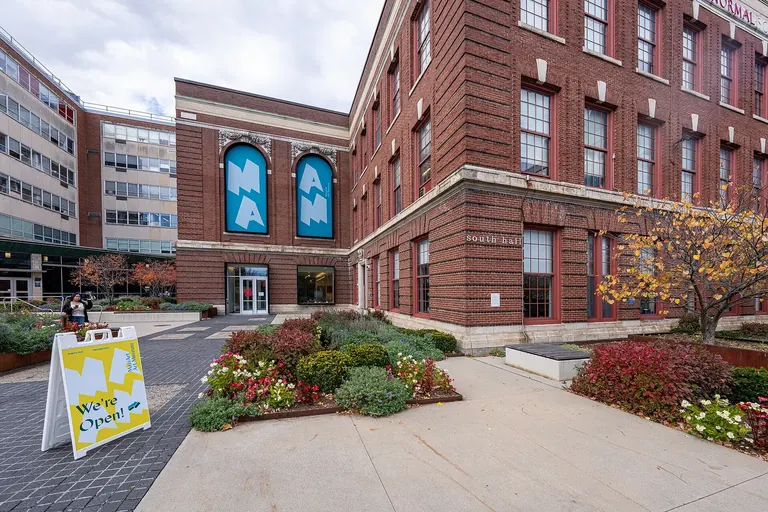
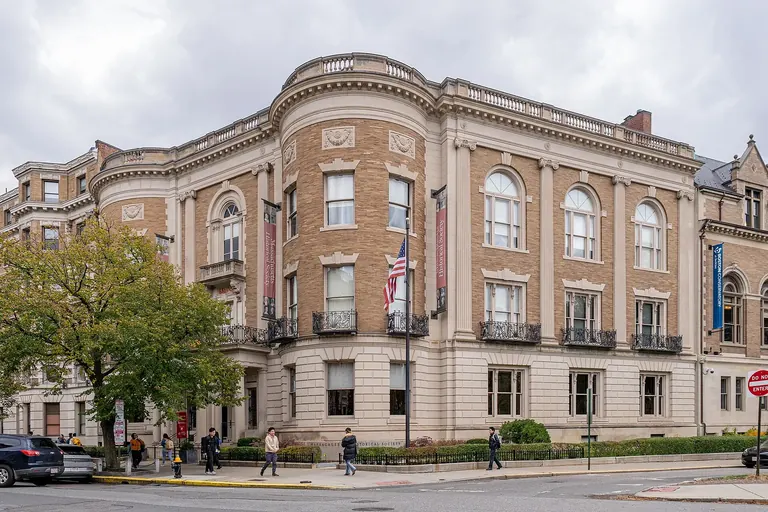
Image credits
8
- Kawada Kikuji: Chizu (The Map)Museum of Fine Arts, Boston
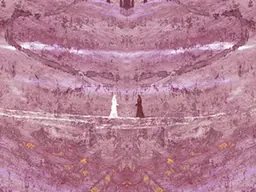
- Michal Rovner: Esther ScrollsCourtesy of Isabella Stewart Gardner Museum
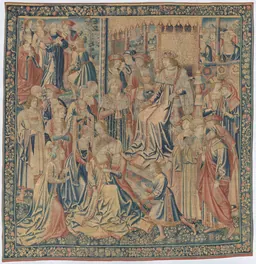
- The Book of Esther in the Age of RembrandtIsabella Stewart Gardner Museum
- Michal Rovner: Untitled/Night, 2016Isabella Stewart Gardner Museum
- Museum of Fine Arts, BostonBeyond My Ken / Wikimedia Commons, CC BY-SA 4.0
- Isabella Stewart Gardner MuseumMiguel Hermoso Cuesta / Wikimedia Commons, CC BY-SA 4.0
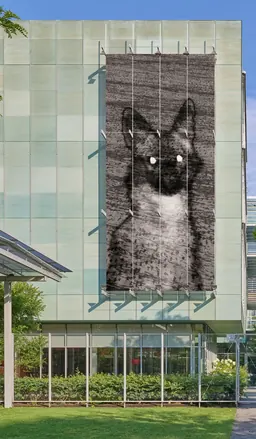
- MassArt Art Museumajay_suresh, via Wikimedia Commons, CC BY 4.0
- Massachusetts Historical Societyajay_suresh, via Wikimedia Commons, CC BY 4.0