 i
Massachusetts Historical SocietyFenway / Back Bay
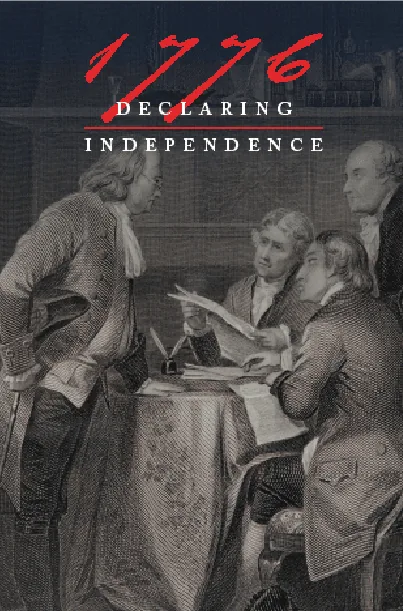
1776: Declaring Independence
Handwritten copies of the Declaration by John Adams and Thomas Jefferson, a rare Dunlap broadside, letters and diaries trace how the document grew from draft to founding text.
More in Boston
One of the six copies of the Declaration waits in the dark. It's the broadside John Dunlap printed in Philadelphia on 4 July 1776, one of about 25 left, and to stop it fading the space only lights up when you walk in.
Two of the others are fair copies of the draft in John Adams's and Thomas Jefferson's own hands. Around them sit 60 items, and the Globe's Mark Feeney found the show "less document-driven than one might expect": a root of the Liberty Tree, Tea Party tea leaves in a bottle, Abigail Adams's "Remember the Ladies" letter, a Pussy Hat from 2017 and a "No Kings" sign from 2025. The MHS filed that sign in the same show as the Liberty Tree, so keep yours from your last march on the Common.
Feeney called seeing the Dunlap "at once a privilege, a thrill, and a reproach". Entry is free, the galleries stay open until 7:45pm on Tuesdays and close Sundays, and the show ends 19 December.
Editor's pick
One of about 25 surviving Dunlap broadsides of the Declaration sits in a dark room that lights up as you walk in. Nearby are Boston Tea Party leaves in a bottle and Abigail Adams's "Remember the Ladies" letter.
Look for
The Dunlap broadside
Look for the first printing of the Declaration, run off in Philadelphia on 4 July 1776, in a darkened space that lights up as you enter.
Adams's and Jefferson's handwritten drafts
Two fair copies of the draft Declaration, one in John Adams's handwriting and one in Thomas Jefferson's, shown alongside the early printings.
Jefferson's Monticello table
A table Jefferson owned at Monticello, fitted with alphabetized drawers.
Tea Party tea leaves
Tea leaves from the Boston Tea Party, kept in a glass bottle.
"Remember the Ladies"
Abigail Adams's letter to John in Philadelphia, urging the Continental Congress to "Remember the Ladies".
Good for
- Cheap Culture
- Evening Visits
- Nerding Out
- Out-Of-Town Guests
Also at Massachusetts Historical Society
On now nearby
Nearby
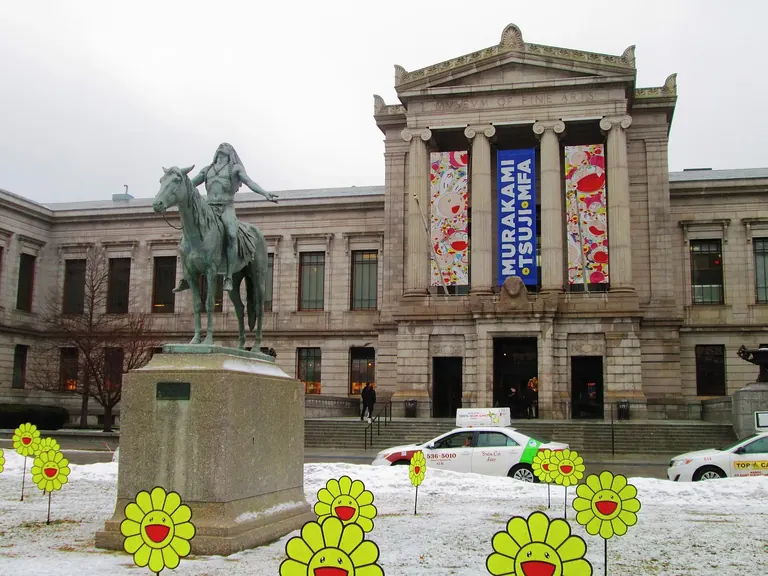
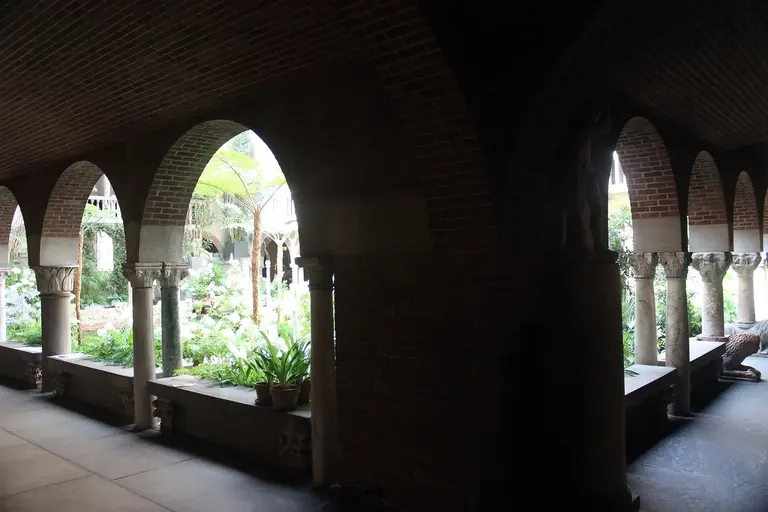
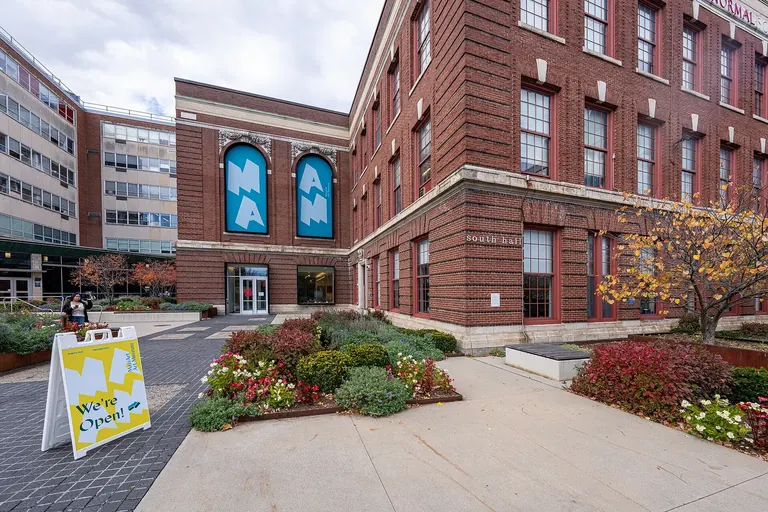
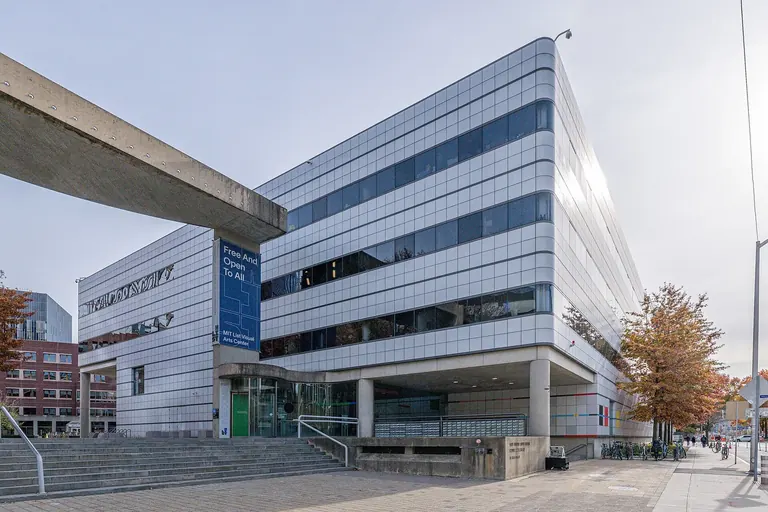
Image credits
9
- 1776: Declaring IndependenceMassachusetts Historical Society
- Reality and Imagination: Rembrandt and the Jews in the Dutch RepublicThe Leiden Collection, New York
- Maverick Kings: Three Visionary Pharaohs of Egypt's Golden AgeMuseum of Fine Arts, Boston
- Suzanne Jackson: What Is LoveThe Museum of Modern Art, New York
- Massachusetts Historical Societyajay_suresh, via Wikimedia Commons, CC BY 4.0
- Museum of Fine Arts, BostonBeyond My Ken / Wikimedia Commons, CC BY-SA 4.0
- Isabella Stewart Gardner MuseumMiguel Hermoso Cuesta / Wikimedia Commons, CC BY-SA 4.0
- MassArt Art Museumajay_suresh, via Wikimedia Commons, CC BY 4.0
- MIT List Visual Arts Centerajay_suresh / Wikimedia Commons, CC BY 4.0