 i
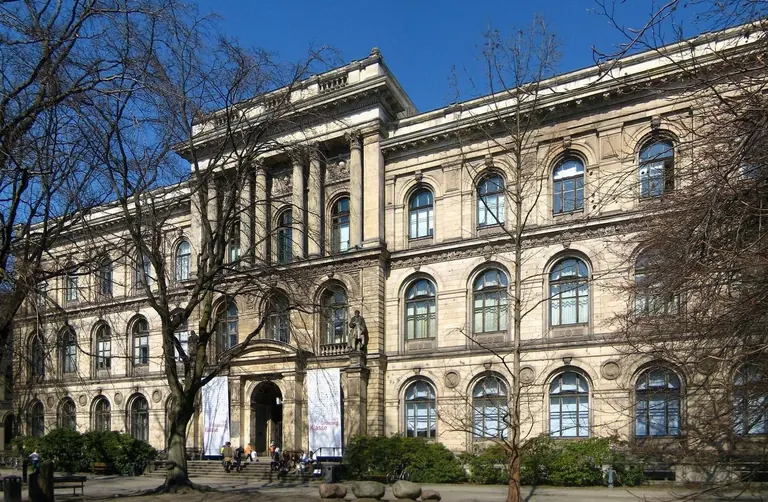
Museum für Naturkunde
Founded in 1810 and housed since 1889 in a grand building on Invalidenstraße, the Museum für Naturkunde is one of the world's major natural history museums and a Leibniz research institute with some 30 million collection objects. Its dinosaur hall is dominated by Giraffatitan brancai, the tallest mounted dinosaur skeleton in the world, alongside the most complete Archaeopteryx ever found. Beyond the dinosaurs, visitors can walk past a million specimens in ethanol in the Wet Collection, study minerals and meteorites, and watch researchers digitise insects live in the galleries.
More in Berlin
What's On
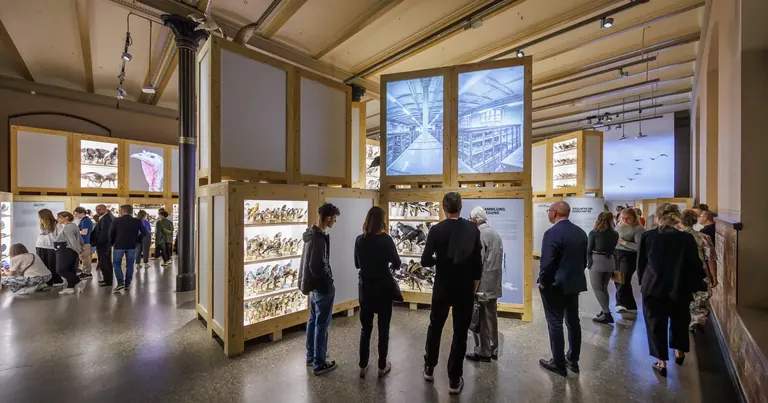
ZUGvögel – Collection in Motion
Around 11,500 historic mounted birds, moved out of the Historic Bird Hall during its restoration, tell stories of bird diversity, war, research and conservation.
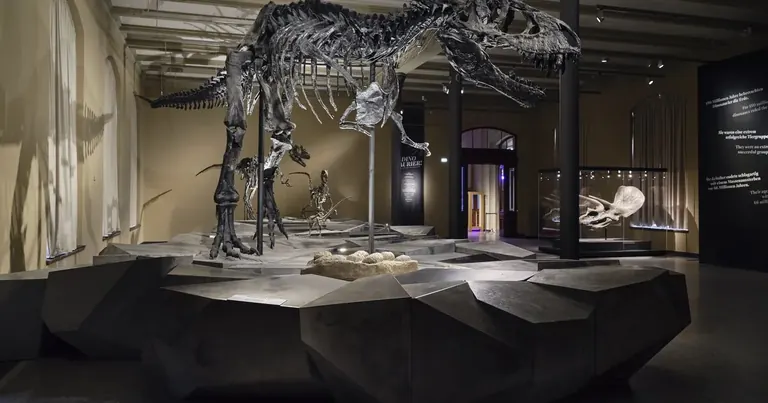
DINOSAURS! – Age of the Giant Lizards
Original fossils from the Triassic, Jurassic and Cretaceous, from early Plateosaurus to the superbly preserved T. rex Tristan Otto, with an Allosaurus skull.
Permanent Collections
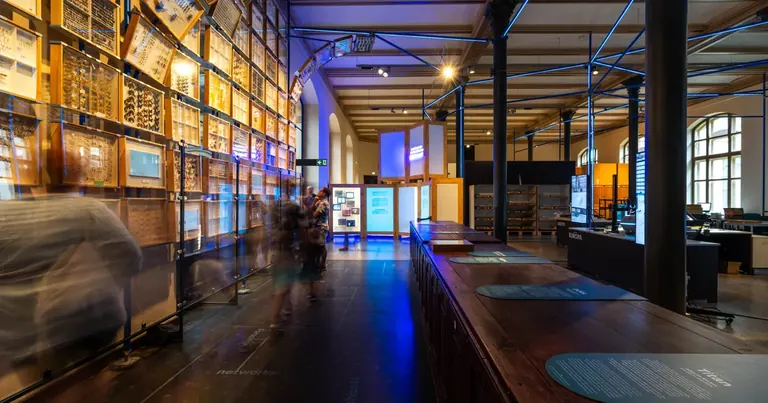
digitize!
Live digitisation stations where researchers turn specimens from the 30-million-object collection into open data visitors can watch being made.
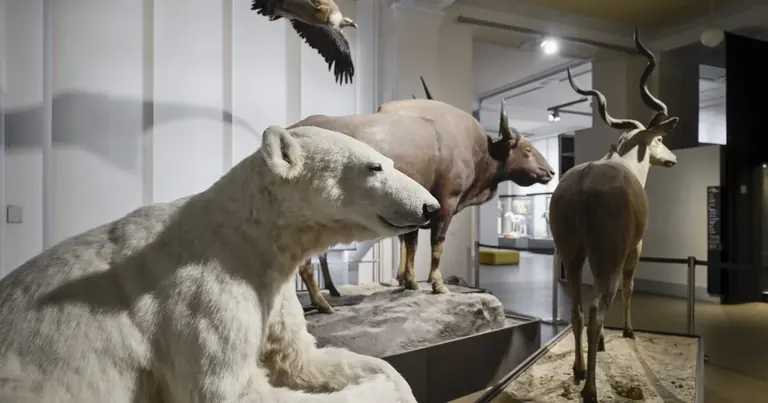
Highlights of Taxidermy
Masterpieces of specimen preparation, including Knut the polar bear, Bobby the gorilla and brilliantly coloured macaws.
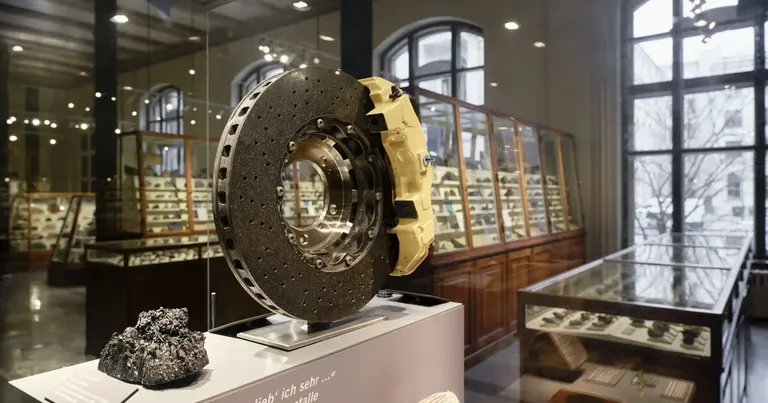
Minerals
Germany's largest mineral collection: crystals, gemstones and ores from around the world displayed in historic cabinets.
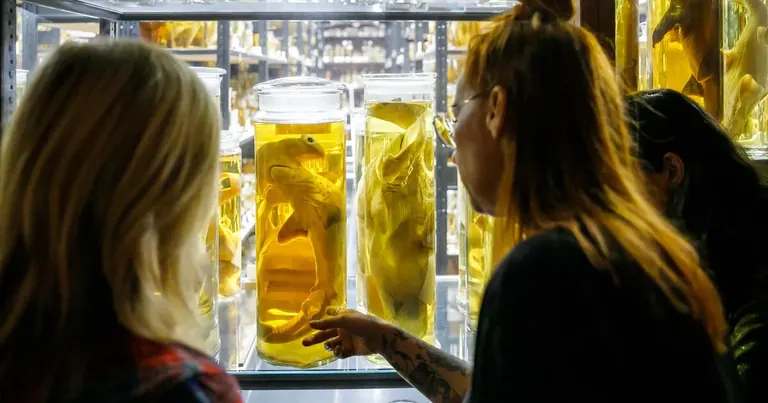
Wet Collection
A glass-walled research hall holding around a million animal specimens preserved in ethanol, on 12.6 km of shelving.
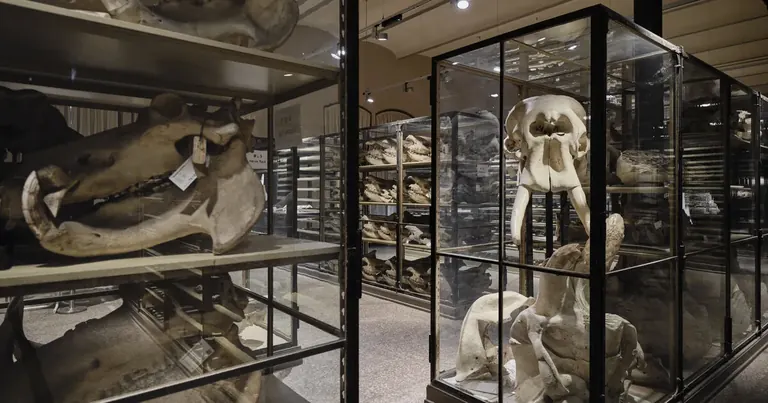
Mammal Skulls and Deer & Bovids
Two restored historic research halls, opened to the public for the first time in 2026, showing mammal skulls, horns and antlers in their scientific order. Guided tours only.
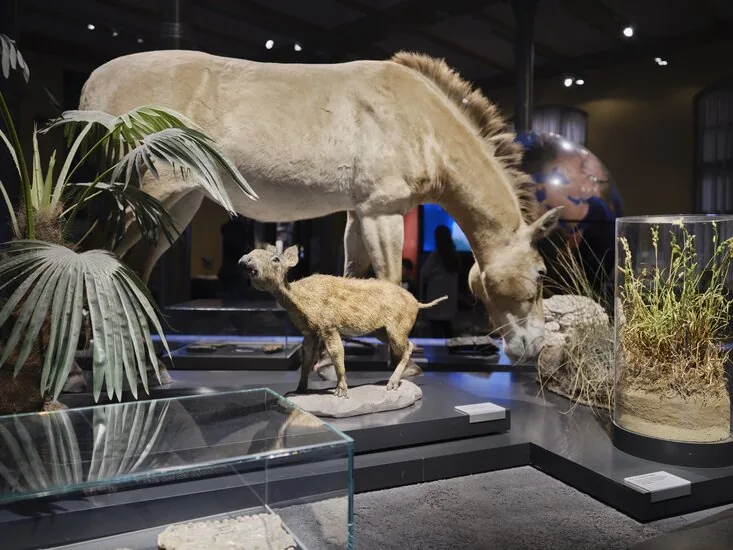
System Earth
Interactive gallery around a three-metre globe exploring plate tectonics, volcanism and cosmic impacts shaping the planet.
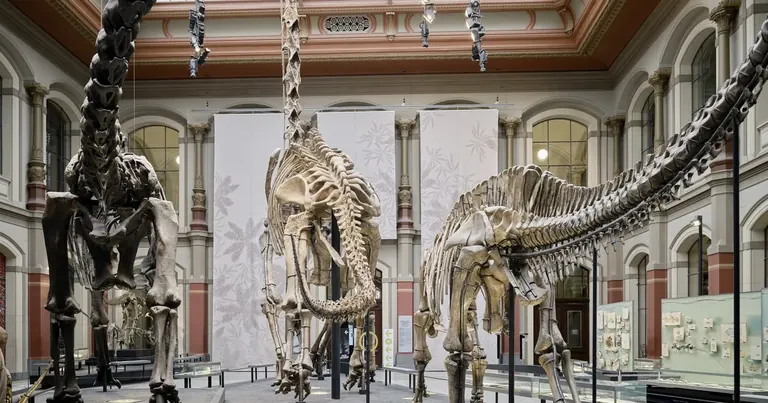
The World of Dinosaurs
The atrium's Jurassic giants from Tendaguru, led by Giraffatitan brancai, the tallest mounted dinosaur skeleton in the world, plus the Berlin Archaeopteryx.
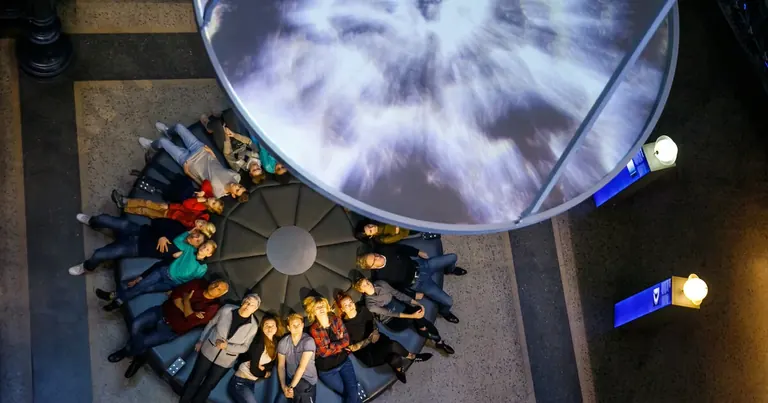
Cosmos and Solar System
A journey through space and time, from the Big Bang to the planets, with meteorites you can see up close.
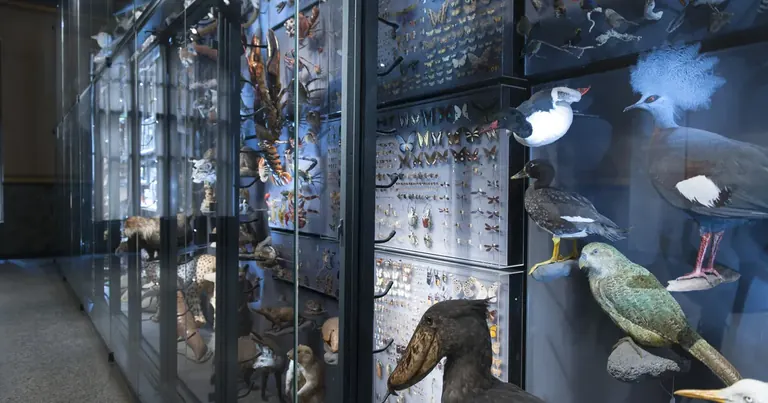
Evolution in Action
How species diversity evolves, centred on a floor-to-ceiling Biodiversity Wall of some 3,000 specimens.
Plan Your Visit
Getting there
Invalidenstraße 43, 10115 Berlin
Nearest station: Naturkundemuseum (U6), Nordbahnhof (S1, S2) and Hauptbahnhof (S5, S7)
Show on mapHours
| Mon | Closed |
| Tue | 09:30–18:00 |
| Wed | 09:30–18:00 |
| Thu | 09:30–18:00 |
| Fri | 09:30–18:00 |
| SatToday | 10:00–18:00 |
| Sun | 10:00–18:00 |
Admission
From €11
Children 6+ and concessions €5; families (2 adults + up to 3 children under 14) €18; under-6s free. Timed tickets online recommended to avoid queues; valid for all current exhibitions.
Last verified
Nearby
Visitor Information
- How much does Museum für Naturkunde cost?
- Standard adult admission to Museum für Naturkunde is €11. Children 6+ and concessions €5; families (2 adults + up to 3 children under 14) €18; under-6s free. Timed tickets online recommended to avoid queues; valid for all current exhibitions.. Prices for special exhibitions and timed-entry slots may differ.
- What are the opening hours of Museum für Naturkunde?
- Museum für Naturkunde is open Tue–Fri 9:30–18:00, Sat, Sun & public holidays 10:00–18:00; closed Mondays. Last entry 30 minutes before closing. Closed 24, 25 and 31 December; 1 January 10:00–18:00.. Holiday hours can vary, so check the museum's website before you go.
- Where is Museum für Naturkunde?
- Museum für Naturkunde is located at Invalidenstraße 43, 10115 Berlin, in the Mitte area of Berlin. The nearest stations are Naturkundemuseum (U6), Nordbahnhof (S1, S2) and Hauptbahnhof (S5, S7).
- What can I see at Museum für Naturkunde?
- Berlin's natural history museum: the world's tallest mounted dinosaur, T. rex Tristan Otto and the Berlin Archaeopteryx. Current highlights include digitize!, Highlights of Taxidermy and Minerals.
- Do I need to book Museum für Naturkunde in advance?
- Booking ahead is recommended, especially for weekends, school holidays, and special exhibitions. Tickets are normally on the museum's website, and a pre-booked timed slot helps you avoid queues at the entrance.
- When is the best time to visit Museum für Naturkunde?
- Weekday mornings shortly after opening are typically the quietest, especially mid-week. Late afternoons can also be calmer. Weekends, school holidays, and the lunch rush are the busiest periods.
Image credits
16
- Museum für NaturkundeJörg Zägel / Wikimedia Commons, CC BY-SA 3.0
- digitize!Photo: Thomas Rosenthal
- Highlights of TaxidermyCourtesy of Museum für Naturkunde
- MineralsCourtesy of Museum für Naturkunde
- Wet CollectionCourtesy of Museum für Naturkunde
- Mammal Skulls and Deer & BovidsCourtesy of Museum für Naturkunde
- System EarthPhoto: Thomas Rosenthal
- DINOSAURS! – Age of the Giant LizardsPhoto: Verena Brüning
- The World of DinosaursCourtesy of Museum für Naturkunde
- ZUGvögel – Collection in MotionCourtesy of Museum für Naturkunde
- Cosmos and Solar SystemCourtesy of Museum für Naturkunde
- Evolution in ActionPhoto: Verena Brüning
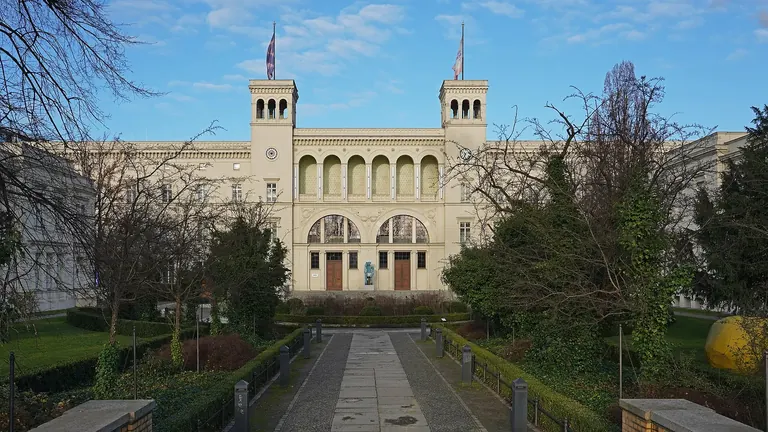
- Hamburger BahnhofA.Savin, Wikimedia Commons
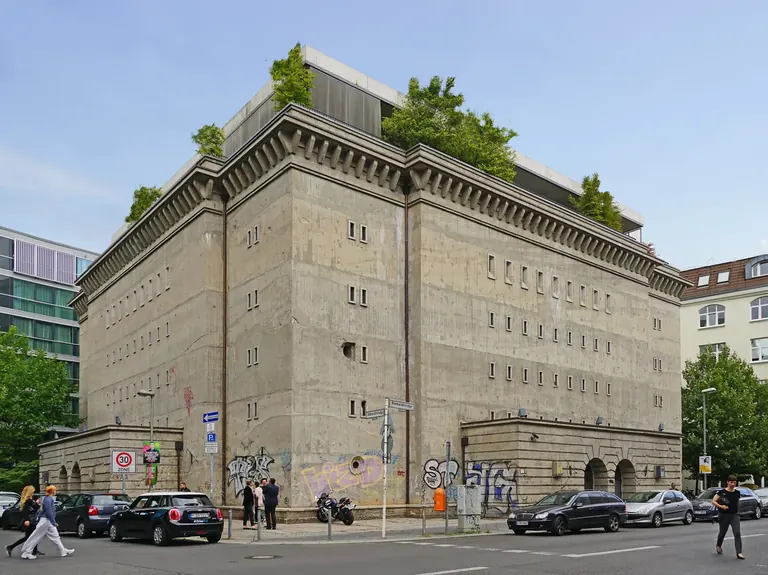
- Sammlung BorosJean-Pierre Dalbéra / Wikimedia Commons, CC BY 2.0
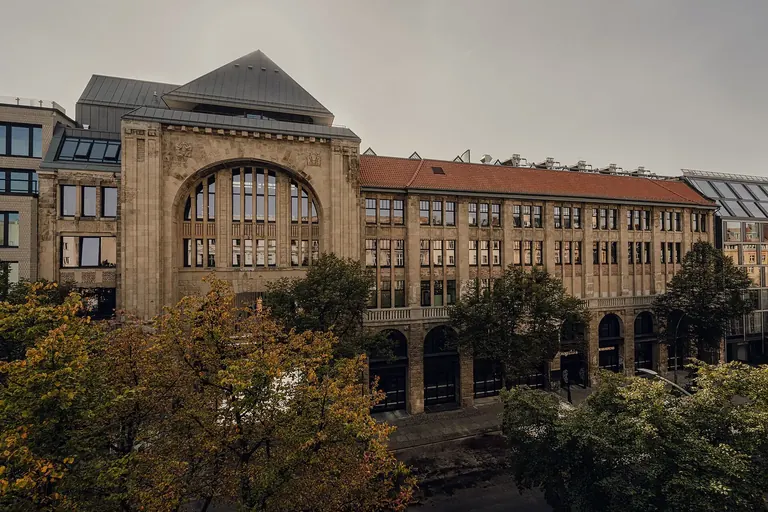
- Fotografiska BerlinShaysd / Wikimedia Commons, CC BY-SA 4.0
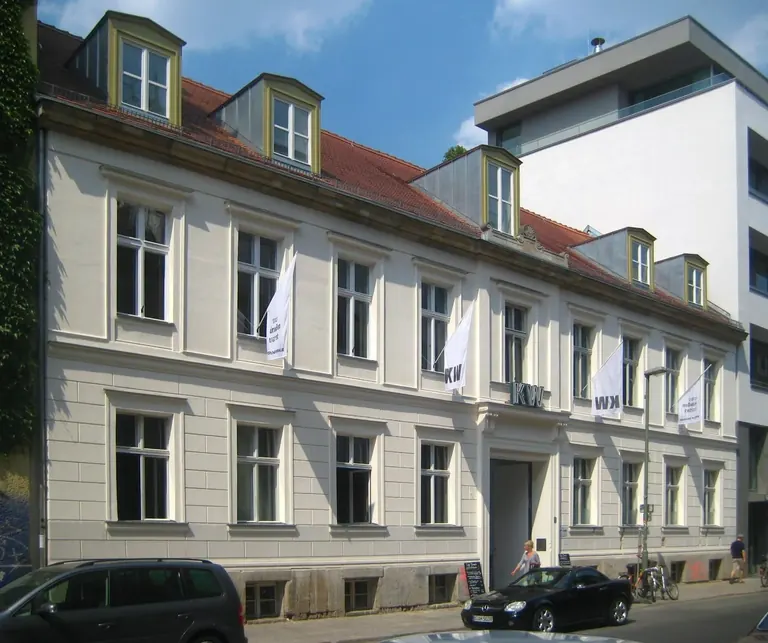
- KW Institute for Contemporary ArtJörg Zägel / Wikimedia Commons, CC BY-SA 3.0