 i
Museum für FotografieCharlottenburg
Echt Foto! Photography between Paper and Pixel
The Kunstbibliothek traces a material history of photography, from glass and paper to screens and AI, through the varied objects of its Photography Collection.
More in Berlin
Preview: written before the show opened
For a 1959 programme booklet of the Berliner Stachelschweine cabaret, Heinz Hajek-Halke built a picture of Wolfgang Gruner out of a photographic print, watercolour and paper. Whether that still counts as a photograph is the question this show asks, up to pictures that look photographic but were generated by AI.
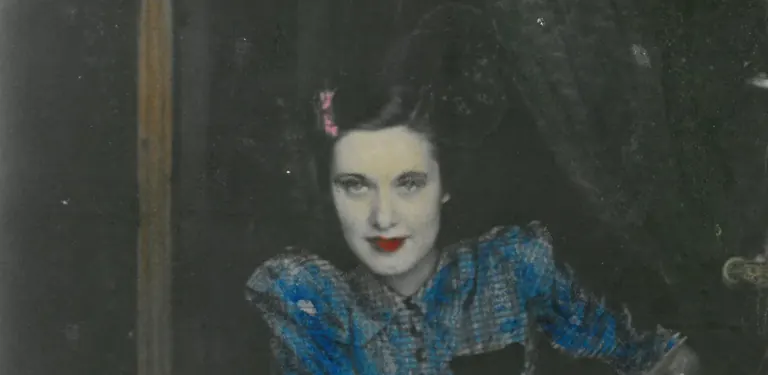
Most of it comes from the Kunstbibliothek's Photography Collection, laid out as a material history: copper plates, glass, paper, silk cloth, albums and magazines. Creases, tears and discolouration are part of the argument, because they show a photograph is a thing. You also get Willi Ruge's hand-coloured portrait of Elly Ruge from around 1947, and loans from living artists such as Eva Stenram, some back at work with photo papers and darkroom chemistry. Not one of the thousands of photos on your phone has ever been creased.
Once a month the curators bring out large-format albums and historical viewing devices. Entry is €12 (€6 concessions), €2 less with a same-day C/O Berlin ticket, and Thursdays run to 20:00.
Look for
Heinz Hajek-Halke, Wolfgang Gruner, 1959
A portrait of the cabaret performer pieced together from silver gelatin paper, watercolour and paper for the Berliner Stachelschweine's programme booklet.
Willi Ruge, Elly Ruge, around 1947
Look for a black-and-white silver gelatin portrait that was coloured in by hand after printing.
Good for
- Evening Visits
- Nerding Out
Also at Museum für Fotografie
On now nearby
Nearby
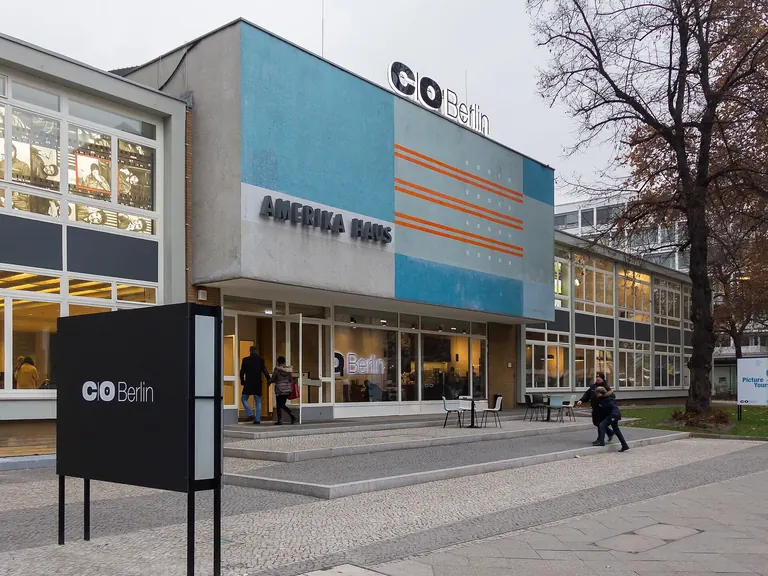
Image credits
6
- Echt Foto! Photography between Paper and Pixel© Erbengemeinschaft Ruge
- Stelios Kallinikou: Cliffs Among Dreams© Stelios Kallinikou
- Susanne Kriemann: In the Sun's Fever Flutter Butterflies in the Stomach© VG Bild-Kunst, Bonn, 2026
- Carrie Mae Weems: The Heart of the Matter© Carrie Mae Weems. Courtesy the artist and Gladstone, New York, Fraenkel Gallery, San Francisco, and Galerie Barbara Thumm, Berlin
- Museum für FotografieA.Savin / Wikimedia Commons
- C/O BerlinRaimond Spekking / Wikimedia Commons, CC BY-SA 4.0