 i
RijksmuseumMuseumkwartier
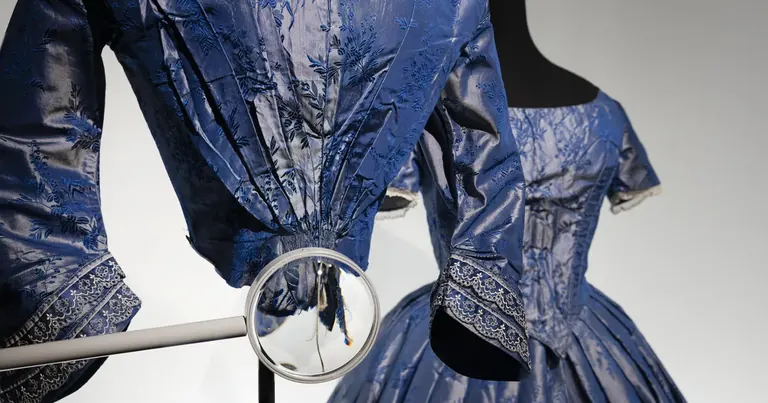
WORN: Treasured Clothing
Twenty-four worn, altered and reused garments dating from 1640 to 1930, from embroidered 17th-century mules to a dress passed down through generations of the Six family.
More in Amsterdam
The Six family never stopped wearing their citrine-yellow floral dress. It was made in the 18th century, its inside was rebuilt to a 19th-century pattern, family members wore it in 1896, and by 1925 someone had fitted it with a modern steel-boned corset.
It is one of 24 garments and accessories from 1640 to 1930 in the Special Collections galleries, in a display designed by Wilmotte & Associés. You lean in close to find crisscross darning, fabric gone soft with wear and the odd old sweat mark. Curator Vanessa Jones's point is that second-hand was always normal, for the craftsmanship, the money or the memories. This is the one display in the Rijksmuseum where you're meant to go looking for sweat stains.
Couturekrant found it intimate and unshowy, a display that asks you to take your time. Entry is included in museum admission at €25, free for ages 18 and under, with a timed start booked in advance. The museum is open daily 9:00 to 17:00.
Look for
The Six family's citrine-yellow dress
An 18th-century floral dress, rebuilt inside to a 19th-century pattern and worn again in 1896 and 1925, by then over a steel-boned corset.
The blue taffeta dress
Look for a patterned 19th-century skirt with several bodices swapped by occasion, one of them taken apart and sewn back together more than once.
Embroidered 17th-century mules
Slip-on shoes worked in rich embroidery, kept and treasured for centuries.
Good for
- Going Solo
- Locals Who've Seen It All
- Nerding Out
Skip if
You want fashion spectacle: it's 24 pieces in a quiet display built for close looking.
With kids
Free for ages 18 and under with a booked timed start.
Also at Rijksmuseum
On now nearby


Nearby
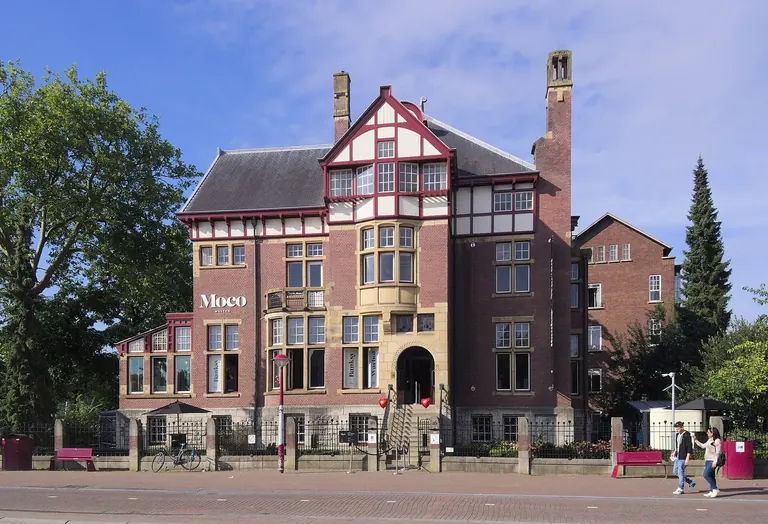
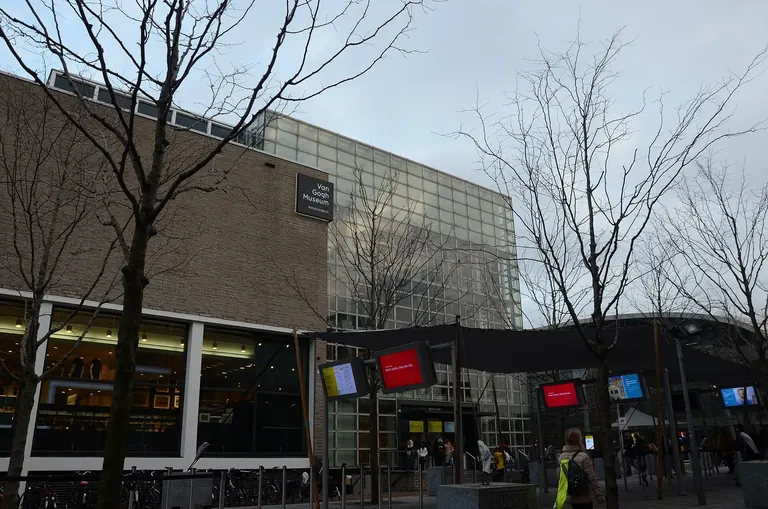
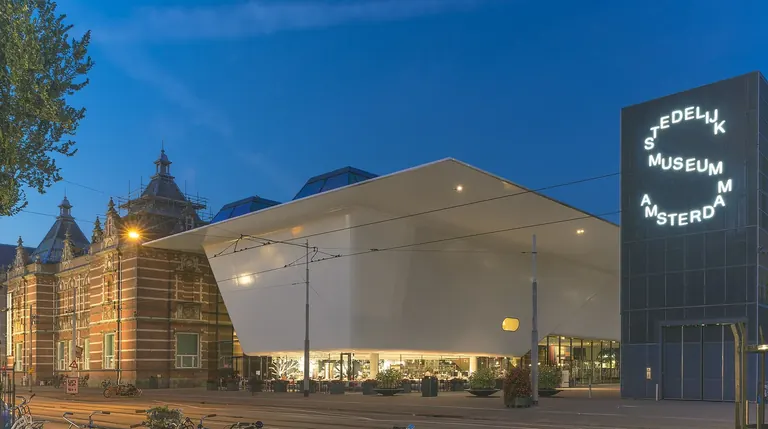
Image credits
8
- WORN: Treasured ClothingCourtesy of Rijksmuseum
- Yoshitoshi. Master of the MoonCourtesy of Van Gogh Museum
- Whistler. Dandy and DisruptorCourtesy of Van Gogh Museum
- RijksmuseumTrougnouf (Benoit Brummer) / Wikimedia Commons, CC BY 4.0
- Moco MuseumC messier, via Wikimedia Commons, CC BY-SA 4.0
- Van Gogh MuseumSteven Lek, via Wikimedia Commons, CC BY-SA 4.0
- Stedelijk Museum AmsterdamJohn Lewis Marshall, via Wikimedia Commons, CC BY-SA 4.0
- Museum Van LoonRijksdienst voor het Cultureel Erfgoed via Wikimedia Commons, CC BY-SA 4.0