 i
Allard PiersonCentrum
Glass, Made in Antiquity
Over 200 ancient glass objects from Egypt to Rome, paired with TU Delft research into production techniques from core-winding to glassblowing.
More in Amsterdam
Some of the earliest blown bottles from Egypt have a closed, rounded bottom, and Museumtijdschrift's critic thought they look like test tubes. The show also includes the first glass the collector Constant Lunsingh Scheurleer ever bought, in Paris in 1901. It turned out to be a 19th-century replica, and it's on display anyway.
More than 200 pieces from the museum's own archaeology collection run from Egyptian perfume bottles of about 1500 BC to Roman drinking glasses blown into wooden moulds, grouped by origin in hanging cases. You lean in with the magnifying glasses left on the vitrines. Research with TU Delft, using X-rays and a nuclear reactor, sits beside a photo dome of 64 LED lights that picks out production traces the eye can't see.
The Mainzer Beobachter called it small in floor space but very well done, with everything in full light. Museumtijdschrift found the hanging cases "inevitably somewhat unspectacular". It's included in the regular ticket, Museumkaart valid, and closes on 1 November.
Look for
The 1901 replica
Look for the collection's first glass purchase, bought in Paris as ancient and later exposed as a 19th-century copy, in the wall cases on the collection's history.
The test-tube bottles
Some of Egypt's earliest blown bottles, narrow with a closed rounded base, look more like lab glassware than anything from antiquity.
The date-shaped bottle
A mould-blown flask from Phoenicia, made between 50 and 125 AD in the shape of a date fruit.
Perfume bottles from 1500 BC
Luxury bottles decorated with threads of coloured glass, from before glassblowing existed.
Bert Frijns's sagging-glass bowls
Monumental modern bowls made by letting glass sag, a technique Frijns rediscovered around 1980, shown alongside the ancient pieces.
Good for
- Going Solo
- Locals Who've Seen It All
- Nerding Out
Skip if
You want spectacle: a critic found the hanging-case display somewhat unspectacular.
Also at Allard Pierson
On now nearby

Nearby
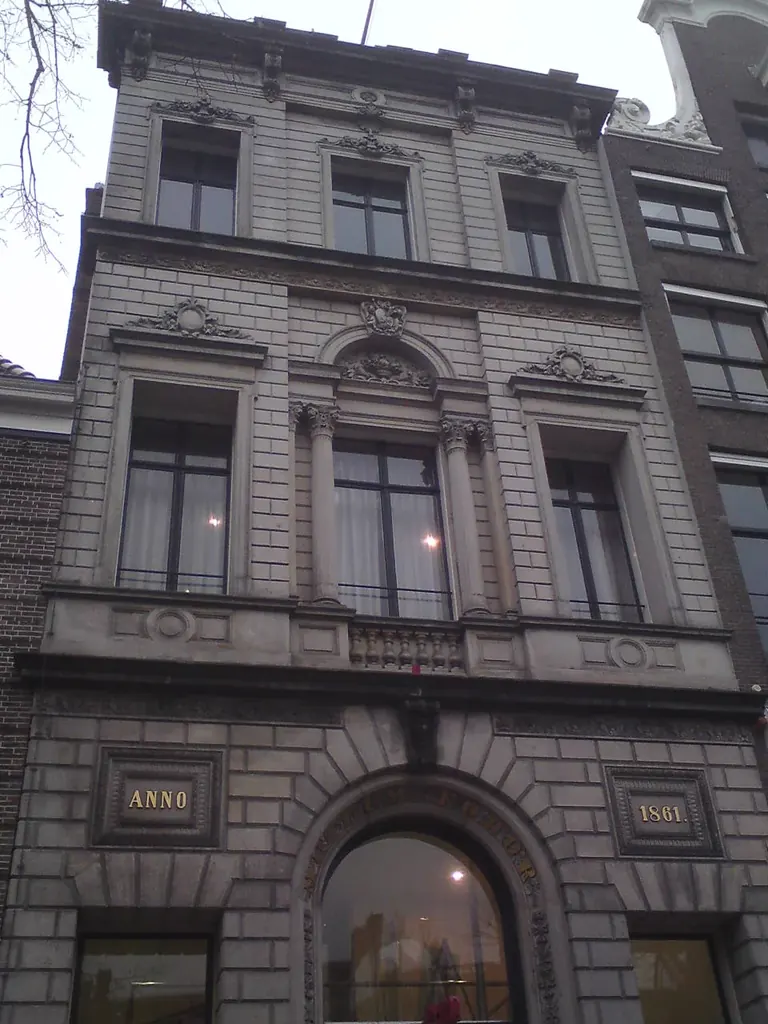
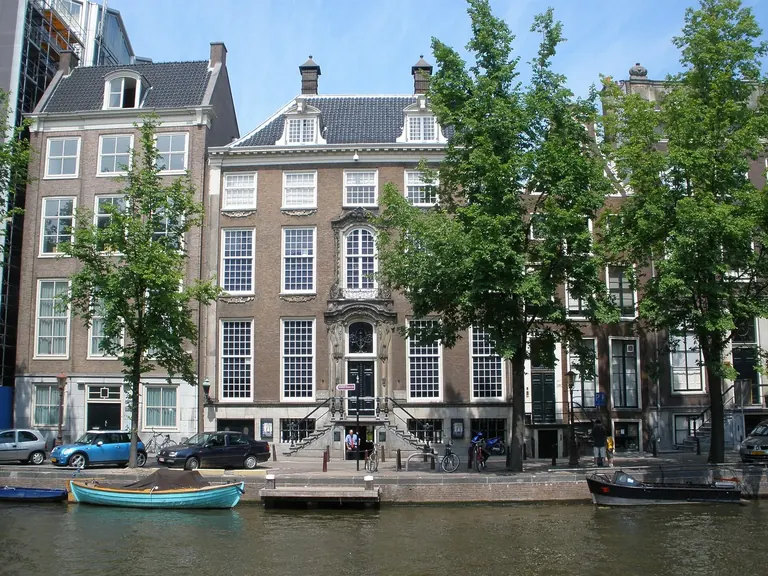
Image credits
9
- Glass, Made in AntiquityCourtesy of Allard Pierson
- Andrzej Steinbach: Hier© Andrzej Steinbach
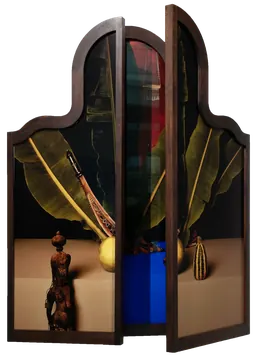
- Maya Inès Touam: Belongings© Maya Inès Touam
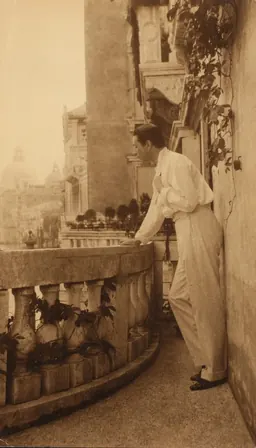
- Adolphe de Meyer: The Substance of a Venetian DreamCourtesy of Huis Marseille, Museum for Photography
- Allard PiersonAndy Li (Onthewings), Wikimedia Commons, CC0
- Royal Palace AmsterdamC messier, via Wikimedia Commons, CC BY-SA 4.0
- Huis Marseille, Museum for PhotographyHmamsterdahm, Wikimedia Commons, CC BY 4.0
- Foam Fotografiemuseum AmsterdamDqfn13 / Wikimedia Commons, CC BY-SA 3.0 NL
- Amsterdam MuseumJvhertum, Public domain