 i
Náprstek Museum of Asian, African and American CulturesStaré Město
Familiar and Unfamiliar Vietnam
Vietnam's history, traditions and contemporary culture, developed with the Vietnamese community in the Czech Republic.
More in Prague
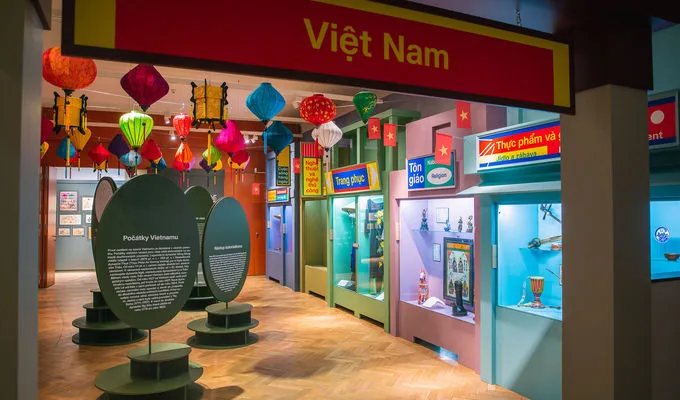
You walk into a street. Paper lanterns hang over pastel shop windows of historical objects from present-day Vietnam, and every label is in yellow lettering, in Czech, English and Vietnamese, of the kind you might see at Prague's Sapa market. The Czech-Vietnamese youth group VietUpem, consulted on the design, said it "looks like a Hanoi street".
Then the colour drops away. White boxes with screens play interviews with Vietnamese people living in Czechia about identity, clashes with their parents, being queer and being bullied at school. The curators left out symbols because the community warned that older relatives would otherwise refuse to listen. In the "stereotype booth", testimonies play while an "open" sign, the one every večerka has, flickers on the opposite wall.
It's the Náprstek's first show made with the community it is about. Tickets are 140 CZK (100 CZK reduced), under-15s are free with an adult, and it closes on 3 January 2027.
Look for
The Vietnamese street
Look for the paper lanterns and pastel shop windows on the ground floor, with trilingual labels in the yellow lettering of a Vietnamese market.
The stereotype booth
Step inside and chef Ta Thuy Dung (Chili) and blogger Do Thu Trang talk about remarks on eating dogs and "slanted eyes" under a flickering "open" sign.
The work interviews
A professional soldier, the director of the Senate president's office and a train conductor describe jobs that break the market-stall stereotype.
The Liberation Front declaration
A declaration of the National Liberation Front of South Vietnam, lent by the Czech National Archives, sits among the museum's own Vietnamese jewellery, clothing and instruments.
Good for
- Cheap Culture
- Going Solo
- Nerding Out
Skip if
You want rice fields and temples: much of it is video interviews about Vietnamese life in Czechia.
With kids
Under-15s go free with an adult. The interview section deals with racism, school bullying and topics that are taboo in many families.
Also at Náprstek Museum of Asian, African and American Cultures
On now nearby

Nearby
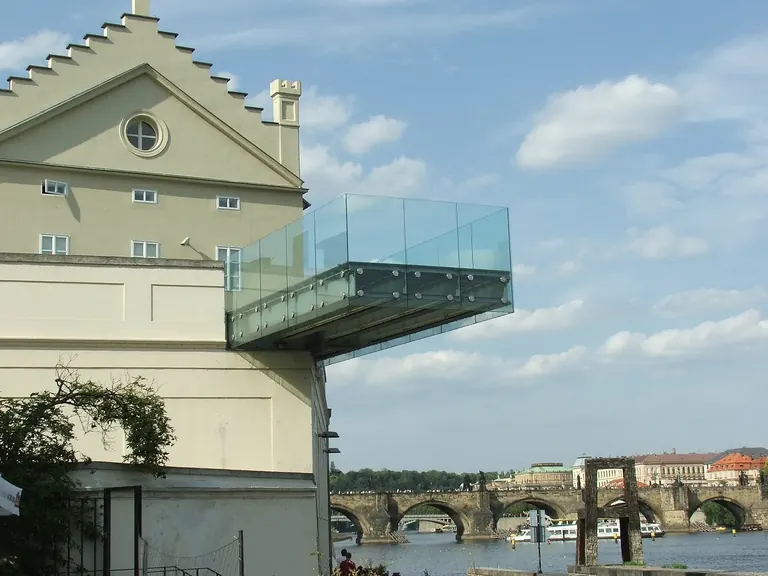
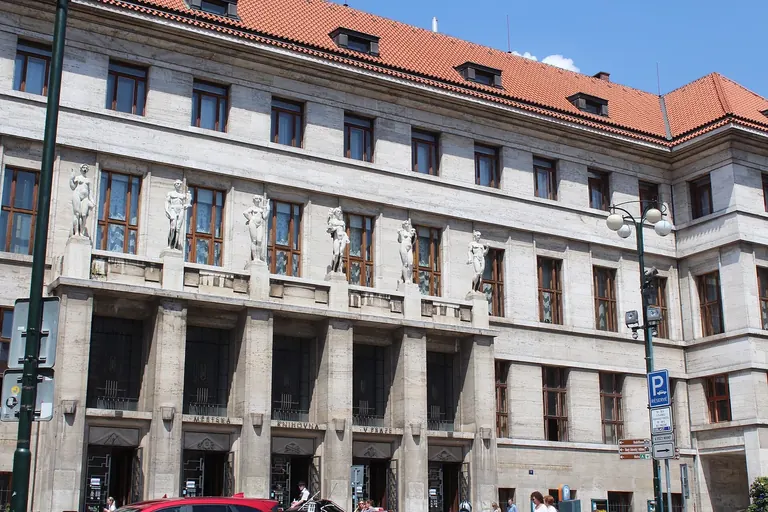
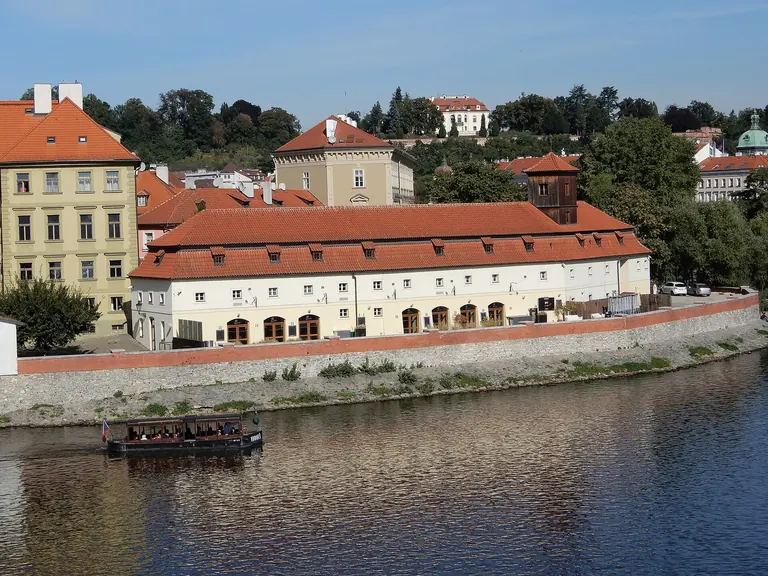
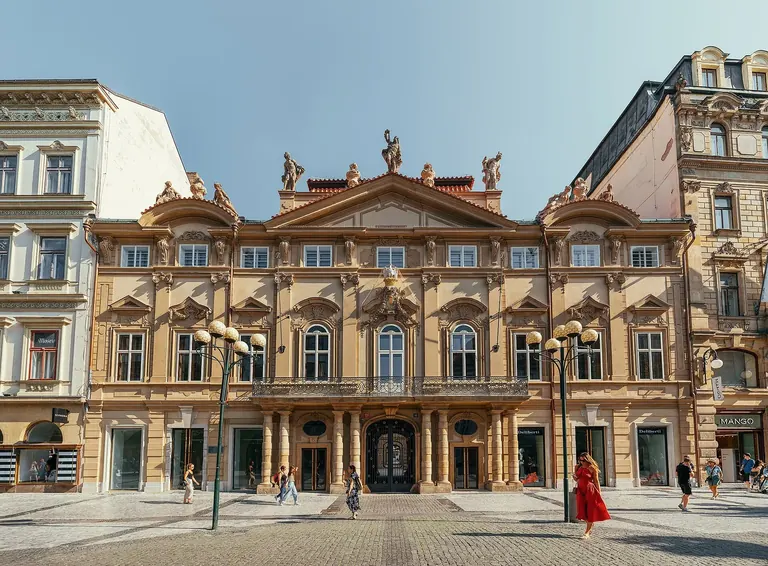
Image credits
9
- Familiar and Unfamiliar VietnamCourtesy of Náprstek Museum of Asian, African and American Cultures
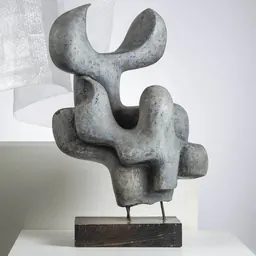
- Květa Kovářová – For the Shape of the FigureCourtesy of Museum Kampa
- Mikuláš Medek, Jan Koblasa – In DefianceCourtesy of Museum Kampa
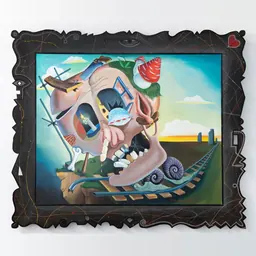
- Milan Kunc – Pop RenaissanceCourtesy of Museum Kampa
- Náprstek Museum of Asian, African and American CulturesVachovec1 / Wikimedia Commons, CC BY-SA 4.0
- Museum KampaHynek Moravec (Wikimedia Commons), CC BY 2.5
- Prague City Gallery (GHMP)Deror avi, via Wikimedia Commons, CC BY-SA 4.0
- Franz Kafka MuseumDobroš, CC BY-SA 4.0
- Mucha Museum (Savarin Palace)Crestyl, CC BY-SA 4.0