Oxford University Museum of Natural HistoryScience Area
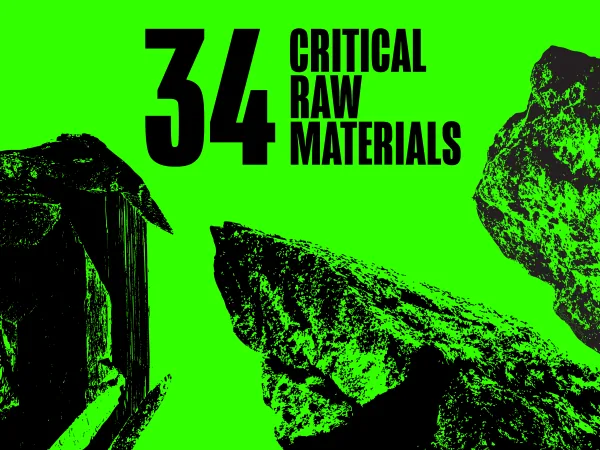
34: The Critical Raw Materials Shaping Our Future
What the UK's 34 critical raw materials are, where they come from and how we might get them in future, from titanium ore to cobalt and copper.
More in Oxford
The show puts ore specimens next to the technology they make possible. Ilmenite is titanium ore, and titanium makes aeroplanes light and strong. Lepidolite is lithium ore, and lithium makes batteries last longer. Bastnasite is a source of rare earth elements, which help wind turbines generate electricity more effectively.
The UK government's critical list has 34 materials, from aluminium and cobalt to tungsten and zinc. The exhibition asks what they are, why we need them, where they come from and how we will get them in future. Demand for copper is growing faster than it can be mined, and two thirds of the world's cobalt comes from the Democratic Republic of Congo, where labour practices can be exploitative and unsafe. It was developed with researchers across Oxford University, including the Oxford EARTH Programme.
Entry is free, and there is also an online version. It runs to 13 April 2027.
Editor's pick
Ore specimens sit beside what they make possible: lithium for batteries, titanium for aircraft. The show is plain that two thirds of the world's cobalt comes from Congo, where mining labour can be unsafe.
Look for
Ilmenite
A titanium ore, shown with the note that titanium makes aeroplanes light and strong.
Lepidolite
A lithium ore, shown with the note that lithium makes batteries last longer.
Bastnasite
A rare earth ore, whose elements such as dysprosium help wind turbines generate electricity more effectively.
Good for
- Cheap Culture
- Nerding Out
- Rainy Days
Also at Oxford University Museum of Natural History
On now nearby
Nearby
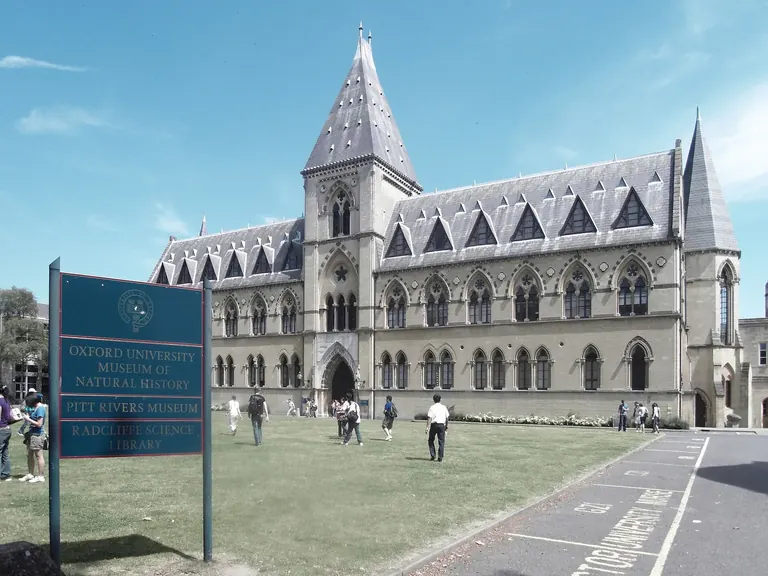
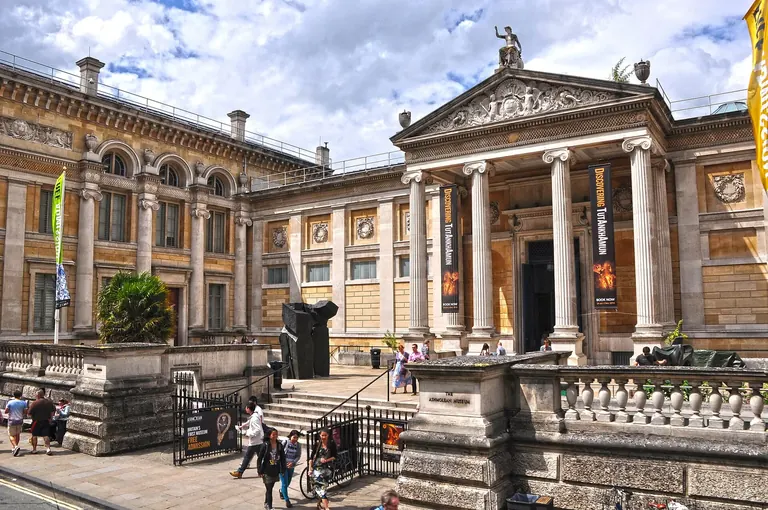
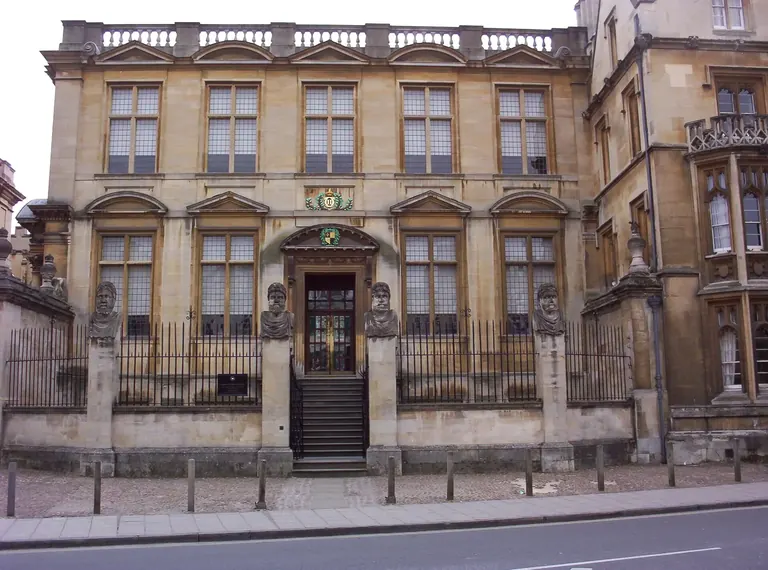
Image credits
6
- 34: The Critical Raw Materials Shaping Our FutureCourtesy of Oxford University Museum of Natural History
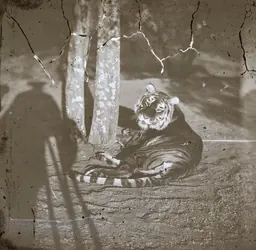
- Colonial Views of India: Photographs by Eugene Clutterbuck Impey© Ashmolean Museum
- Oxford University Museum of Natural HistoryAndrew Rivett / Wikimedia Commons, CC BY 2.0
- Pitt Rivers MuseumPaulvanwelden / Wikimedia Commons, CC BY 3.0
- Ashmolean MuseumLewis Clarke / Wikimedia Commons, CC BY-SA 2.0
- History of Science MuseumWiki alf / Wikimedia Commons, Public domain