Ashmolean MuseumCity Centre
Sisters, Brothers, Others: Nationality and 20th-Century Chinese Art
Prints, ink paintings, posters, paper-cuts and matchboxes show how Han and non-Han artists pictured nationality and ethnicity in the People's Republic of China.
More in Oxford
One of the smallest objects is a matchbox from 1975 showing a Uyghur barefoot doctor. It sits among political propaganda posters and intimate self-portraits in a show about how China pictured its own peoples.
Most citizens of the People's Republic are Han, but officially 56 "brother and sister nationalities" make up the country. The works come from both Han and non-Han artists, among them the Tibetan and Yi woodblock printers A Ge and Qijia Dawa, and the Han, Mongolian and Manchu ink painters Pang Xunqin, Hu Peiheng and Pu Quan, cousin to the last emperor. The media run from lithographs and woodcuts to oil and ink painting, paper-cuts, matchboxes and books.
It is free, in Gallery 11, and runs to 7 March 2027.
Look for
The Uyghur barefoot doctor matchbox
A 1975 matchbox whose label shows a Uyghur barefoot doctor.
Small Mirror by A Ge
A multi-block colour woodcut from 1991 by the Tibetan printer A Ge.
Two female Miao figures
An ink and colour painting of 1944 or 1945 by Pang Xunqin.
Ancient Temple on the Plateau
A 1981 woodcut by Qijia Dawa, printed in oil-based ink.
Good for
- Cheap Culture
- Going Solo
- Nerding Out
Also at Ashmolean Museum
On now nearby
Nearby
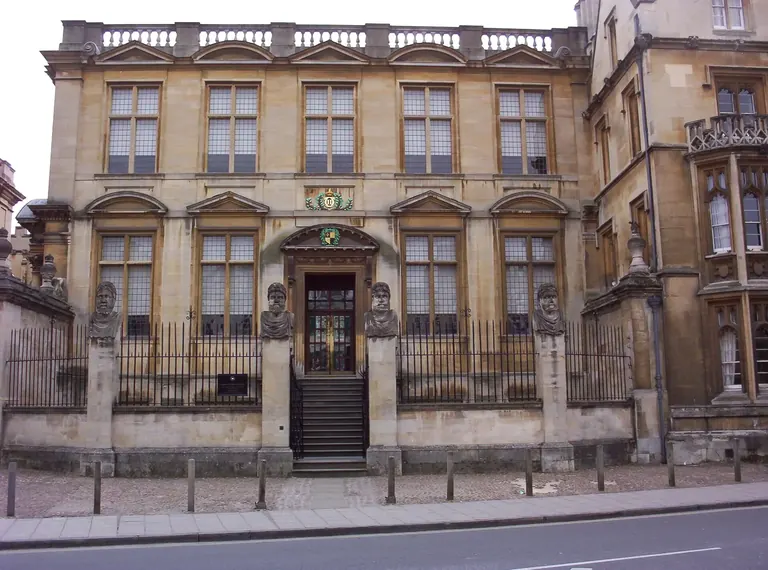
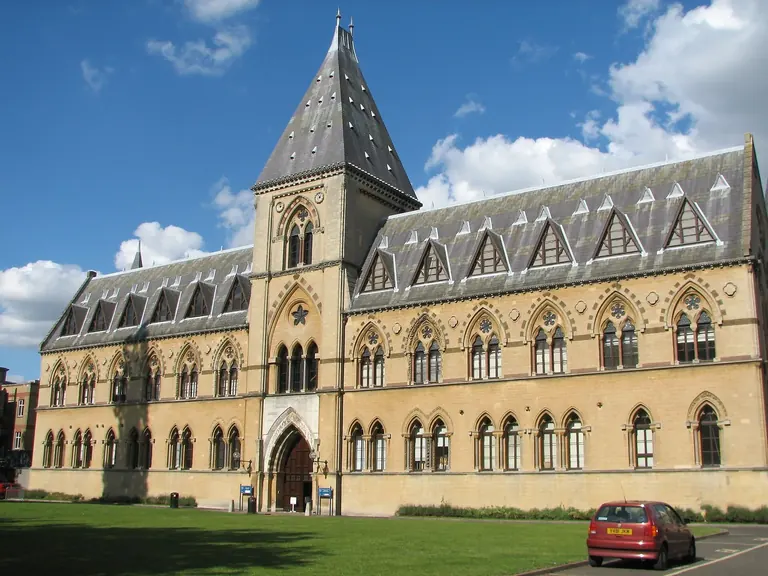
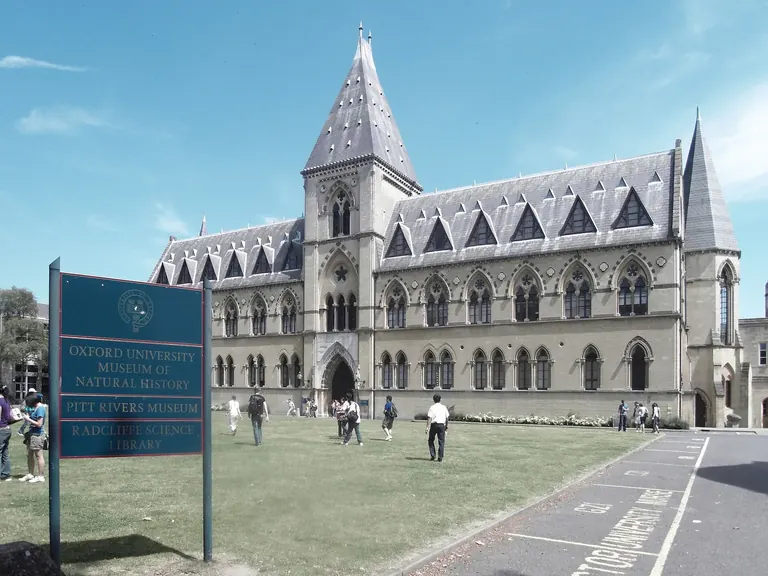
Image credits
6
- 34: The Critical Raw Materials Shaping Our FutureCourtesy of Oxford University Museum of Natural History
- Ashmolean MuseumLewis Clarke / Wikimedia Commons, CC BY-SA 2.0
- History of Science MuseumWiki alf / Wikimedia Commons, Public domain
- Oxford University Museum of Natural HistoryAndrew Rivett / Wikimedia Commons, CC BY 2.0
- Pitt Rivers MuseumPaulvanwelden / Wikimedia Commons, CC BY 3.0
- Modern Art OxfordChristian Michelides / Wikimedia Commons, CC BY-SA 4.0