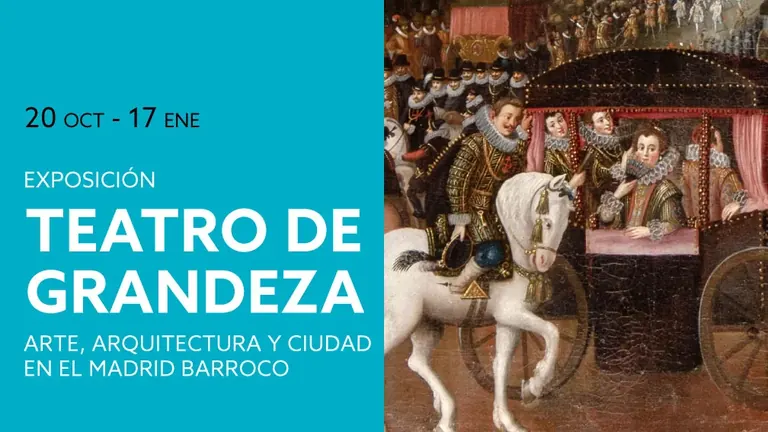
Fernán Gómez. Centro Cultural de la VillaRecoletos
Teatro de grandeza. Arte, arquitectura y ciudad en el Madrid barroco
More than 180 works on the art, architecture and urban growth of Baroque Madrid from the 16th to the 18th century, lent by Spanish and international collections.
More in Madrid
All twenty plates of Pedro de Teixeira's 1656 plan of Madrid are shown together here, lent by the Biblioteca Nacional. Around them, more than 180 works trace how a town of about 7,000 people, made capital when the court arrived in 1561, grew past 90,000 by 1734.
You start at court, with Velázquez's portraits of Góngora and Quevedo and his full-length Felipe IV. Eleven sections then move through the Alcázar and Plaza Mayor, churches and processions, Rome as a model and the reign of Carlos II, which the curators present as a high point rather than a decline. It ends with the fire that destroyed the Alcázar in 1734; the Royal Palace built in its place is a half-hour walk west.
Tickets are €6, €3 reduced, free for under-18s and free for everyone on Tuesdays; a guided visit costs €4 more. There is no cloakroom and backpacks aren't allowed in. Closed Mondays, last entry 19:15.
Look for
Teixeira's plan of Madrid
Look for all twenty plates of the 1656 map shown as one set, the city mapped street by street a century after the court arrived.
Velázquez's full-length Felipe IV
The museum calls it the earliest surviving full-length portrait of the king by Velázquez, in the section on the court.
Góngora and Quevedo
Two rival poets of the Golden Age, both painted by Velázquez, in the room on artists and writers at the king's court.
Tournament on the Prado de San Jerónimo
A painting from about 1615 of a tournament and festivities on the Prado, lent by Austria's Hochosterwitz Castle and never shown in Spain before.
Good for
- Cheap Culture
- Nerding Out
- Out-Of-Town Guests
With kids
Under-18s go free. Scooters, backpacks and large bags aren't allowed in, and there is no cloakroom.
Also at Fernán Gómez. Centro Cultural de la Villa
On now nearby
Nearby
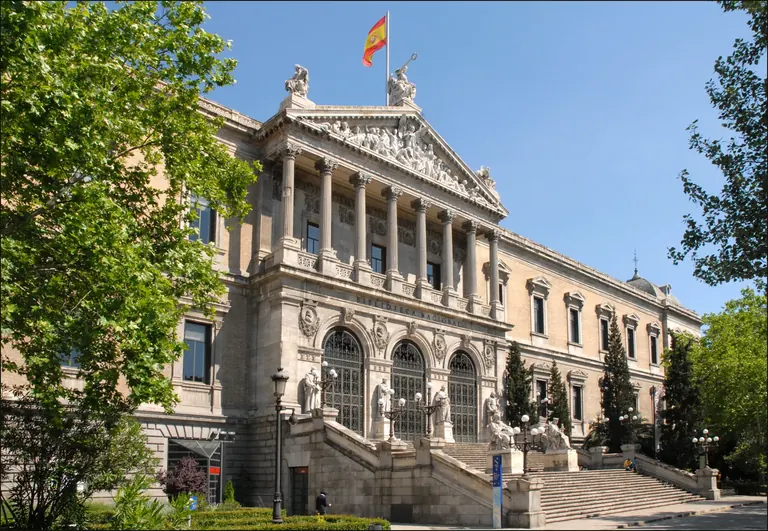
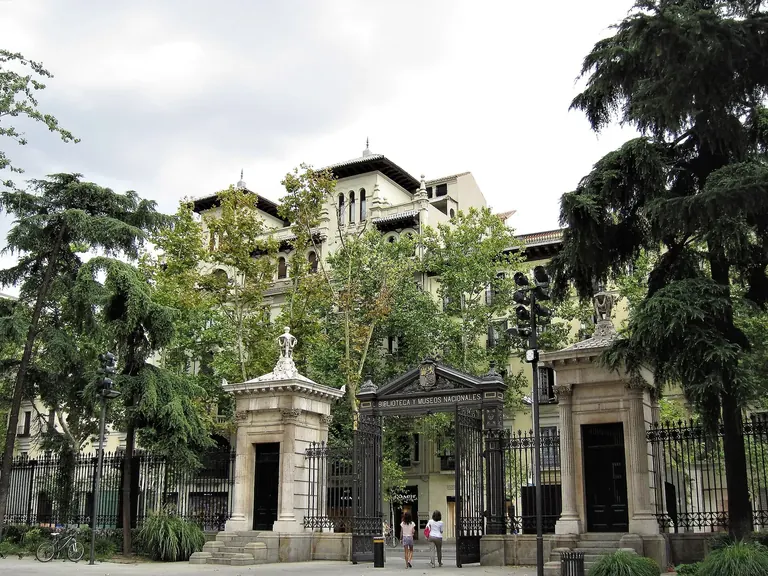
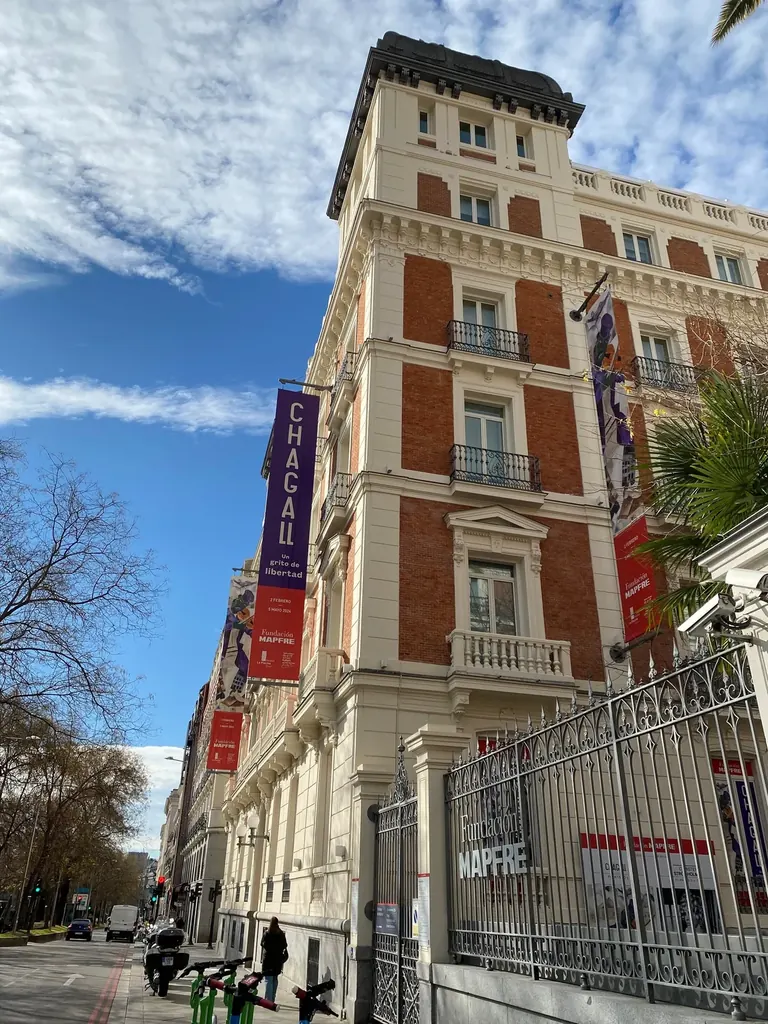
Image credits
5
- Teatro de grandeza. Arte, arquitectura y ciudad en el Madrid barrocoAnónimo, Torneo y festejo en el Prado de San Jerónimo (detalle), circa 1615, Museo del Castillo de Hochosterwitz
- Fernán Gómez. Centro Cultural de la VillaUntipografico from Madrid (Spain) / Wikimedia Commons, CC BY 2.0
- Biblioteca Nacional de EspañaJean-Pierre Dalbéra / Wikimedia Commons, CC BY 2.0
- Museo Arqueológico NacionalCoralma*, via Wikimedia Commons, CC0
- Fundación MAPFRE – Sala RecoletosBeautyriver1010, Wikimedia Commons, CC BY-SA 4.0