 i
Barbican CentreCity of London
Yuko Mohri: In Concert
Japanese artist Yuko Mohri transforms The Curve with a site-responsive commission exploring states of flux and acts of repair via light, sound and kinetic sculpture featuring Barbican objects.
More in London
A red fire hose drips into a lampshade turned bucket, and a tiny bell, tugged by wires, hops off the floor and rings faintly. ArtReview's critic called it "the world's worst fire alarm". Most of the show works like that: leaks, drips and small accidents rigged to make sound.
Yuko Mohri built it during a residency at the Barbican, using lamps and objects salvaged from the building's stores, basements and car parks. At the entrance, old Barbican streetlamps are wired to pieces of fruit, and the fruits' changing moisture sets the light and sound, so the work shifts as they rot. The far end of The Curve's long, curved gallery is given over to Moré Moré (Leaky), modelled on the buckets-and-tubing repairs Tokyo subway staff improvise for leaks.
It's free, and ArtReview called it "the best artistic statement about contemporary London". Expect noise rather than quiet: speakers along the walls hum with slowed and reversed woodwind.
Look for
The fruit-powered streetlamps
Look for the low wooden table of fruit pierced with clips at the entrance; its moisture levels drive the flicker of the salvaged lamps overhead.
The water-driven cymbals
In Moré Moré (Leaky), cymbals clang as water pumps through hanging tubes, and a triangle held up by a spoon clinks along.
The stacked sinks
Water drains down through the plugholes of a stack of bathroom sinks; ArtReview compared it to a rusty Donald Judd.
The shadows on the walls
Small hot lamps on the floor throw the tubing and wiring onto the white walls like shadow puppets, and drips run across the floor under an umbrella.
Good for
- An Hour Or Less
- Cheap Culture
- Locals Who've Seen It All
- Rainy Days
Skip if
You want a quiet gallery: it's full of dripping, clanging and humming speakers by design.
Also at Barbican Centre
On now nearby

Nearby
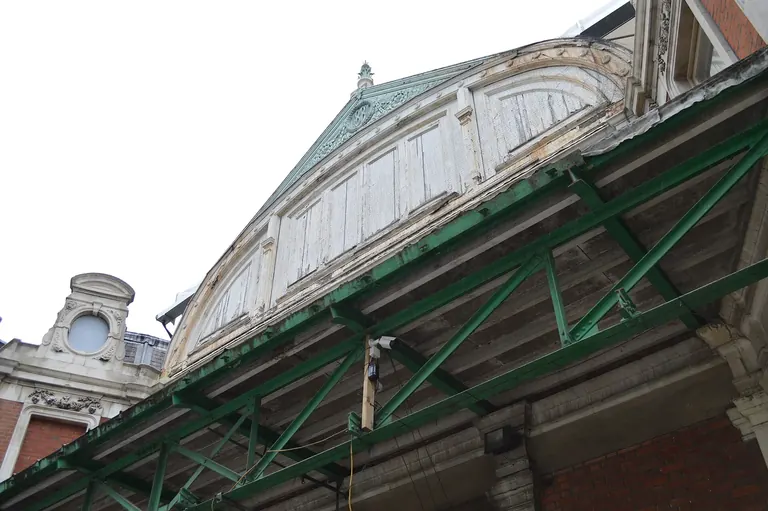
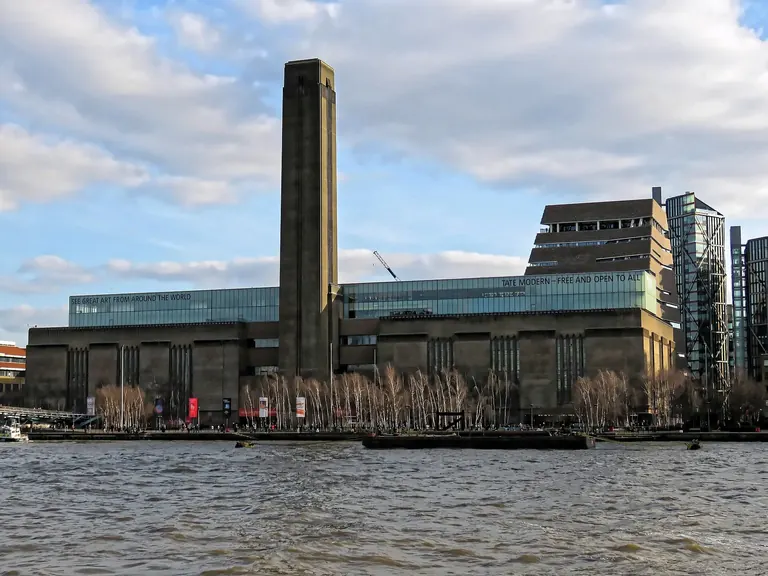
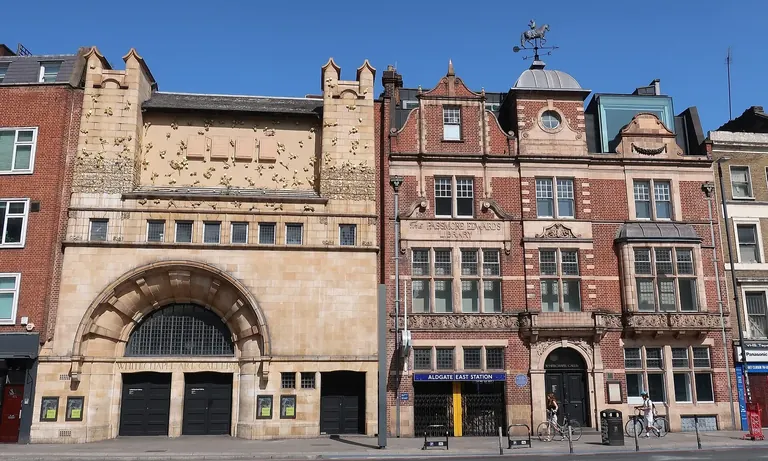
Image credits
8
- Yuko Mohri: In ConcertCourtesy of Barbican Centre
- By Appointment Only: Romani Art, Culture & Heritage© London Museum
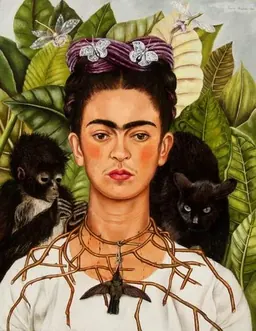
- Frida: The Making of an IconCourtesy of Tate Modern
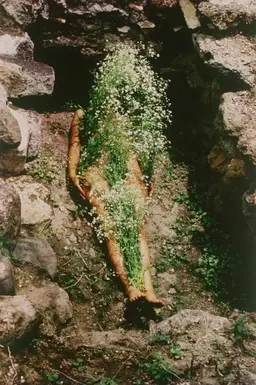
- Ana Mendieta©The Estate of Ana Mendieta Collection, LLC. Licensed by Artist Rights Society (ARS), New York / DACS, 2026 / Courtesy Marian Goodman Gallery and Alison Jacques, London.
- Barbican CentreJulian Herzog / Wikimedia Commons, CC BY 4.0
- London MuseumMatt Brown / Wikimedia Commons, CC BY-SA 4.0
- Tate ModernAcabashi / Wikimedia Commons, CC BY-SA 4.0
- Whitechapel GalleryGrindtXX / Wikimedia Commons, CC BY-SA 4.0