 i
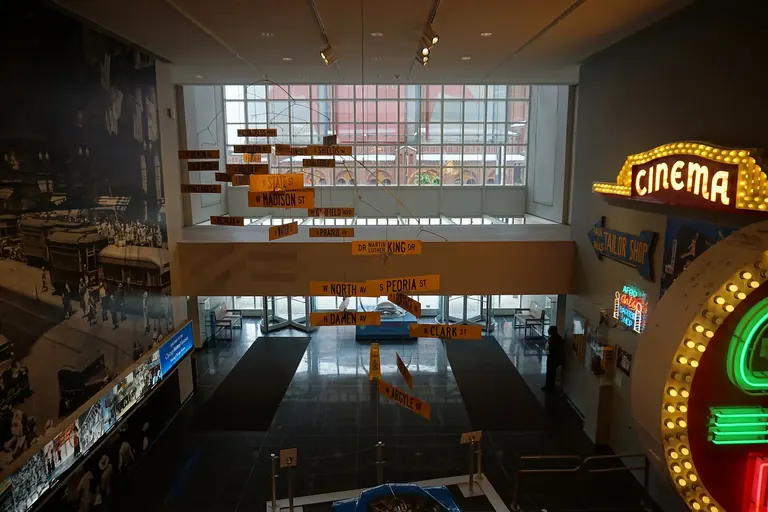
Chicago History Museum
Founded in 1856 as the Chicago Historical Society, the Chicago History Museum has stood at Clark Street and North Avenue on the southern edge of Lincoln Park since 1932. Its collection runs to some 22 million objects, photographs, documents and pieces of clothing, anchored by treasures such as the bed on which Abraham Lincoln died, the 1848 "Pioneer" locomotive and the city's first elevated railway car. Permanent galleries including Chicago: Crossroads of America, Facing Freedom and the hands-on Sensing Chicago trace the city from a swampy trading post to a global metropolis. Rotating shows tackle Latino/a/e Chicago, protest design and the Emmett Till trial, while the Abakanowicz Research Center opens the archives to the public for free.
More in Chicago
What's On
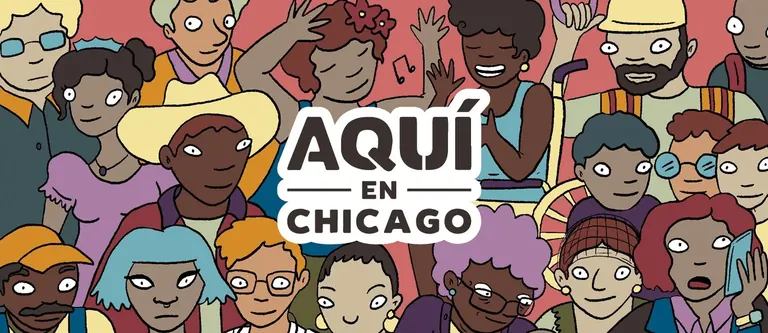
Aquí en Chicago
Art, photographs, interviews and clothing trace Latino/a/e communities who have shaped Chicago since the 1800s, and their resistance to cultural erasure. Bilingual in English and Spanish.
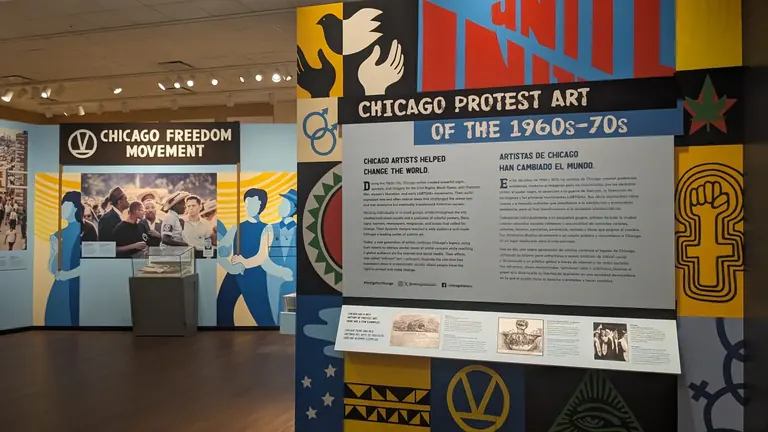
Designing for Change: Chicago Protest Art of the 1960s–70s
More than 100 posters, fliers, signs, buttons and magazines from Chicago activists of the 1960s and '70s, shown with work by a new generation of artivists carrying the legacy forward.
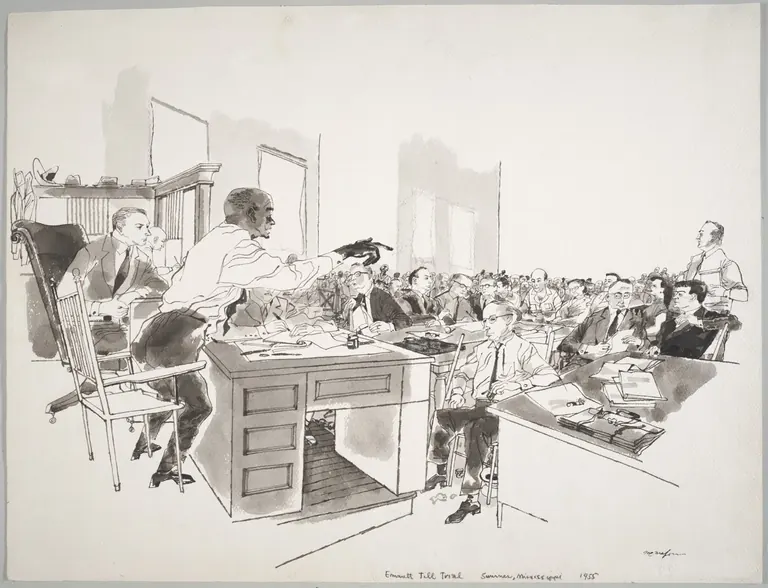
Injustice: The Trial for the Murder of Emmett Till
Franklin McMahon's courtroom sketches and photographs recount the 1955 Mississippi trial that followed the murder of Chicago teenager Emmett Till, and the movement it ignited.
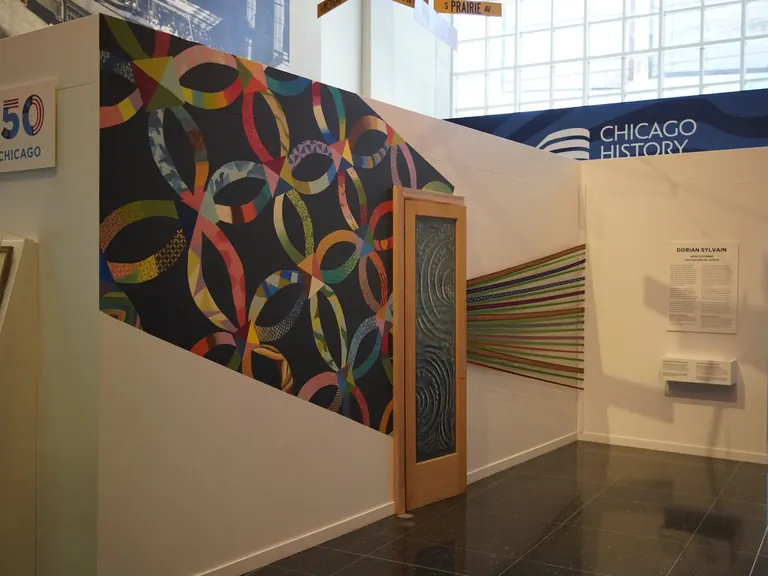
US at 250: Dorian Sylvain
Dorian Sylvain's immersive installation "We Weave Our Future" answers the Thirteenth Amendment with patterns drawn from quilts made by enslaved people. Final part of US at 250.

Threads of a Nation: Preserving Presidential Clothing
Garments and accessories worn by George and Martha Washington, John Adams and Abraham and Mary Lincoln, shown alongside the conservation work that keeps them intact.
Permanent Collections
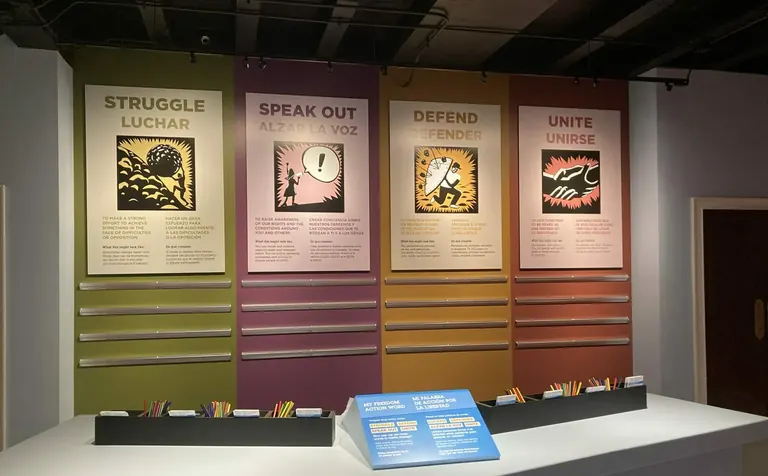
Facing Freedom
Eight stories of Americans who united, spoke out, struggled and defended to shape freedom, from suffragists and labour organisers to Indigenous rights activists and house music fans.
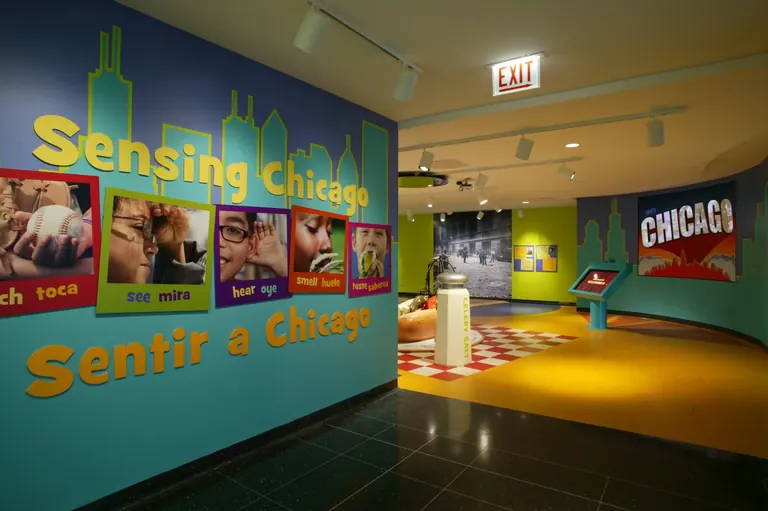
Sensing Chicago
A hands-on gallery for younger visitors: smell the wild onion that named Chicago, hear an L train pass, ride a high-wheel bicycle and climb inside a giant Chicago-style hot dog.
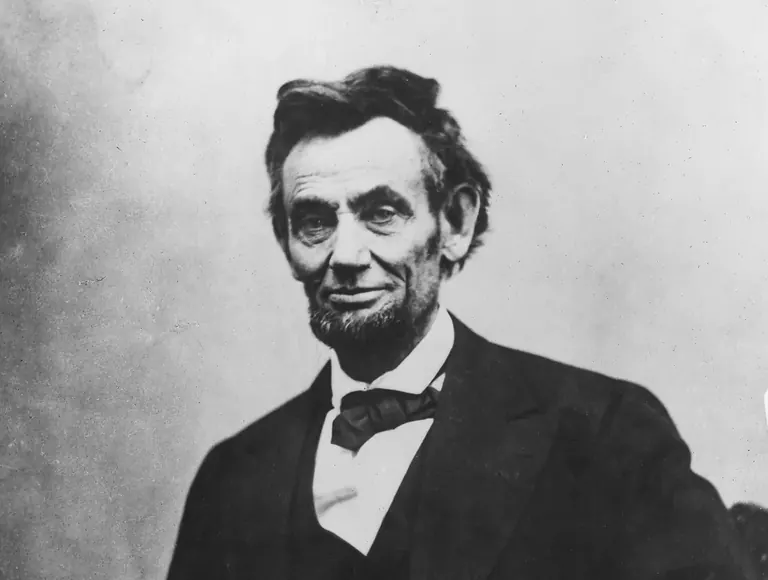
Abraham Lincoln
Lincoln's 1860 election, Civil War leadership and assassination, with campaign torches, his Clark Mills life mask and the bed in which he died on April 15, 1865.
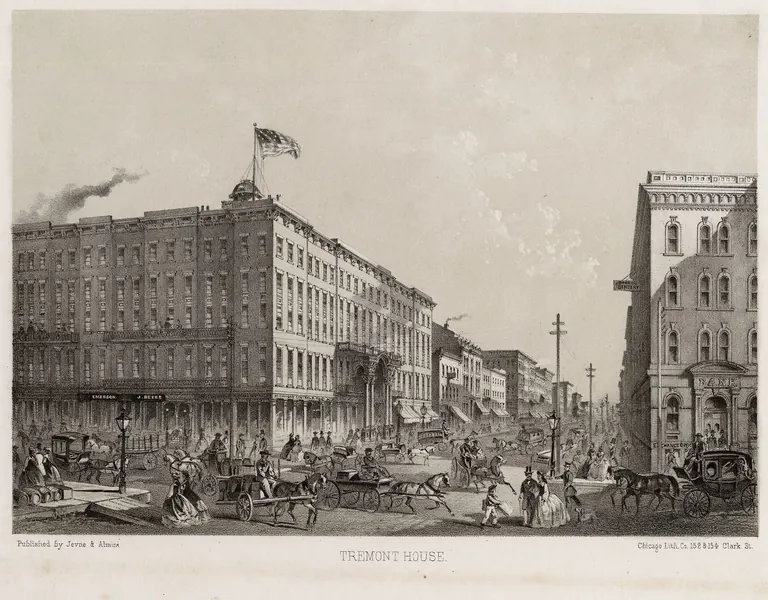
Lincoln's Chicago
Portraits of Lincoln's contemporaries paired with 1860s lithograph views of Chicago, the city that was his second home and political base on the way to the White House.
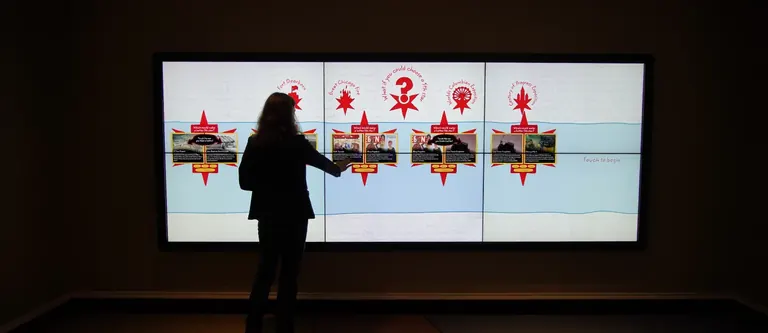
The Fifth Star Challenge
If Chicago's flag gained a fifth star, what should it stand for? Explore moments from the city's past, cast your vote and walk across a wall-to-wall floor map of Chicagoland.
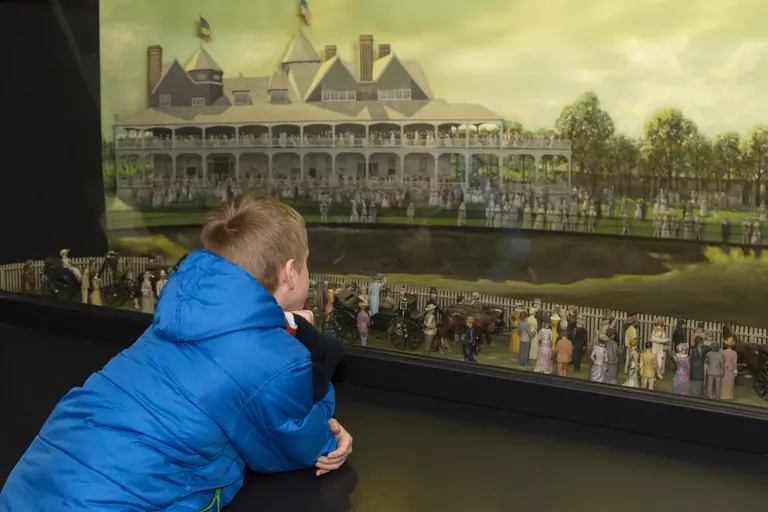
Imagining Chicago: The Dioramas
Seven dioramas built by German artisans in the early 1930s show Chicago from a trading outpost in 1804 to the 1893 World's Columbian Exposition. The longest-displayed objects in the Museum.
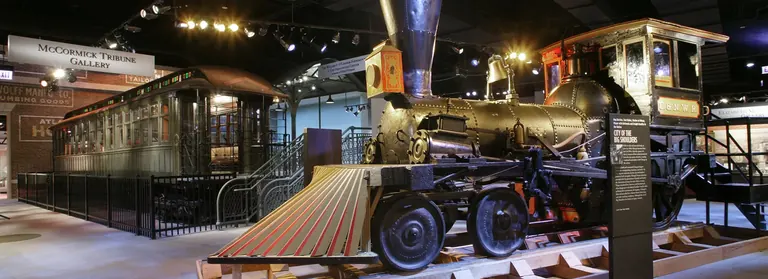
Chicago: Crossroads of America
The Museum's flagship gallery, entered past the iconic L car no. 1, with five thematic areas on Chicago as a crossroads of trade, conflict, community and culture.
Plan Your Visit
Getting there
1601 N. Clark Street, Chicago, IL 60614, United States
Nearest station: Sedgwick (CTA Brown & Purple Line, approx. 0.5 mi), Clark/Division (CTA Red Line, approx. 0.5 mi) and CTA buses 22, 36, 72, 73, 151 and 156 stop nearby
Show on mapHours
Thanksgiving Eve - early closing 25 November, 09:30–14:30
Closed 26 November
Closed for Thanksgiving
| Mon | Closed |
| Tue | 09:30–16:30 |
| Wed | 09:30–16:30 |
| Thu | 09:30–16:30 |
| Fri | 09:30–16:30 |
| SatToday | 09:30–16:30 |
| Sun | 12:00–17:00 |
Admission
From $24
Chicago residents $19; seniors 65+ $20 ($17 Chicago resident); students 19-22 $20 ($17 Chicago resident); Illinois residents aged 18 and under free; all children 12 and under free; members free. Free days for Illinois residents on selected dates.
Last verified
Visitor Information
- How much does Chicago History Museum cost?
- Standard adult admission to Chicago History Museum is $24. Chicago residents $19; seniors 65+ $20 ($17 Chicago resident); students 19-22 $20 ($17 Chicago resident); Illinois residents aged 18 and under free; all children 12 and under free; members free. Free days for Illinois residents on selected dates.. Prices for special exhibitions and timed-entry slots may differ.
- What are the opening hours of Chicago History Museum?
- Chicago History Museum is open Tuesday-Saturday 9:30am-4:30pm, Sunday 12pm-5pm; closed Mondays (open on selected Mondays and commemorative days). Early closing at 2:30pm on Thanksgiving Eve, Christmas Eve and New Year's Eve. Closed New Year's Day, Thanksgiving and Christmas Day.. Holiday hours can vary, so check the museum's website before you go.
- Where is Chicago History Museum?
- Chicago History Museum is located at 1601 N. Clark Street, Chicago, IL 60614, United States, in the Lincoln Park / Old Town area of Chicago. The nearest stations are Sedgwick (CTA Brown & Purple Line, approx. 0.5 mi), Clark/Division (CTA Red Line, approx. 0.5 mi) and CTA buses 22, 36, 72, 73, 151 and 156 stop nearby.
- What can I see at Chicago History Museum?
- Lincoln Park's storyteller of Chicago: the Great Fire, Lincoln's deathbed, an original L car and 1930s dioramas. Current highlights include Aquí en Chicago, Facing Freedom and Sensing Chicago.
- Do I need to book Chicago History Museum in advance?
- Booking ahead is recommended, especially for weekends, school holidays, and special exhibitions. Tickets are normally on the museum's website, and a pre-booked timed slot helps you avoid queues at the entrance.
- When is the best time to visit Chicago History Museum?
- Weekday mornings shortly after opening are typically the quietest, especially mid-week. Late afternoons can also be calmer. Weekends, school holidays, and the lunch rush are the busiest periods.
Image credits
13
- Chicago History MuseumMichael Barera / Wikimedia Commons, CC BY-SA 4.0
- Aquí en ChicagoCourtesy of Chicago History Museum
- Facing FreedomCourtesy of Chicago History Museum
- Sensing ChicagoCourtesy of Chicago History Museum
- Abraham LincolnCourtesy of Chicago History Museum
- Lincoln's ChicagoJevne and Almini Lithograph: Tremont House, 1866. CHM, ICHi-061955
- The Fifth Star ChallengeCourtesy of Chicago History Museum
- Imagining Chicago: The DioramasCourtesy of Chicago History Museum
- Threads of a Nation: Preserving Presidential ClothingCourtesy of Chicago History Museum
- US at 250: Dorian SylvainCourtesy of Chicago History Museum
- Designing for Change: Chicago Protest Art of the 1960s–70sCourtesy of Chicago History Museum
- Chicago: Crossroads of AmericaCourtesy of Chicago History Museum
- Injustice: The Trial for the Murder of Emmett TillCourtesy of Chicago History Museum