 i
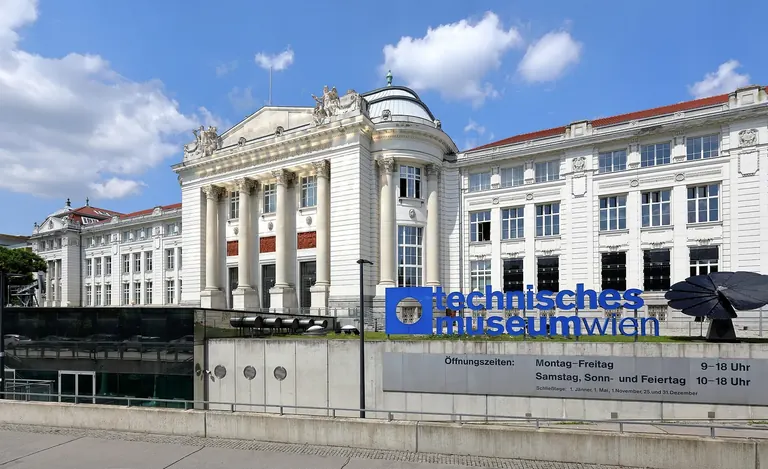
Technisches Museum Wien (Vienna Technical Museum)
Founded in 1908 for Emperor Franz Joseph's jubilee and opened in 1918, the Technisches Museum Wien fills a vast historicist hall by Hans Schneider on Mariahilfer Straße, a short walk from Schönbrunn. Its collections run from the Siegfried Marcus car, the Lohner-Porsche electric car and a Lilienthal glider to Franz Viehböck's spacesuit and one of Austria's largest collections of musical instruments. Permanent shows on mobility, materials, climate and how science changes sit alongside interactive children's zones and a maker lab. Visitors under 19 get in free.
More in Vienna
What's On
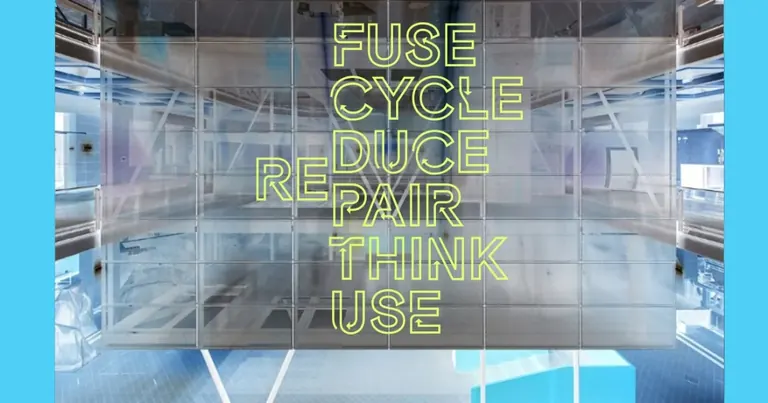
More than Recycling
A five-level special exhibition on the circular economy: how food, clothing, housing and leisure could be rethought from a product's start, with projects like algae-based clothing.
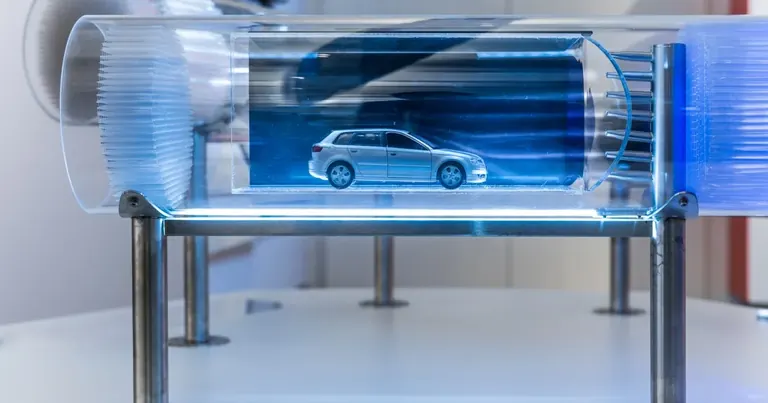
In Bewegung
Hands-on show on how mobility works, for ages 8 to 14: a timed giant slide, 30 interactive stations and animal movement examples with the Natural History Museum. Allow 45 minutes.
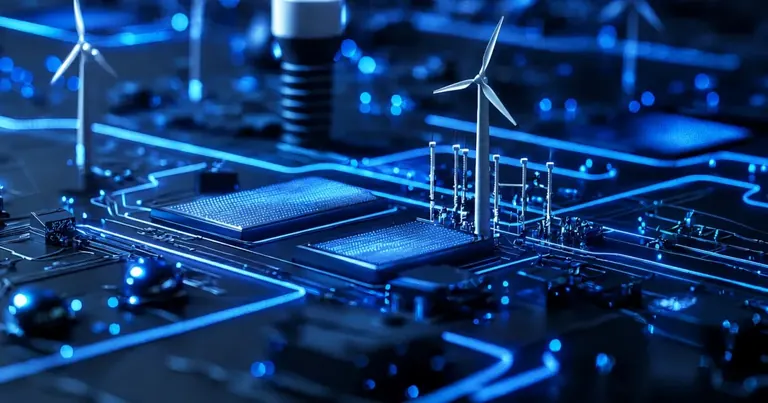
Innovation Corner: Power Forward
Eight energy-storage innovations from VERBUND and Austrian start-ups and researchers, from salt-water and oxygen-ion batteries to green hydrogen and smart EV charging, plus an interactive grid game.
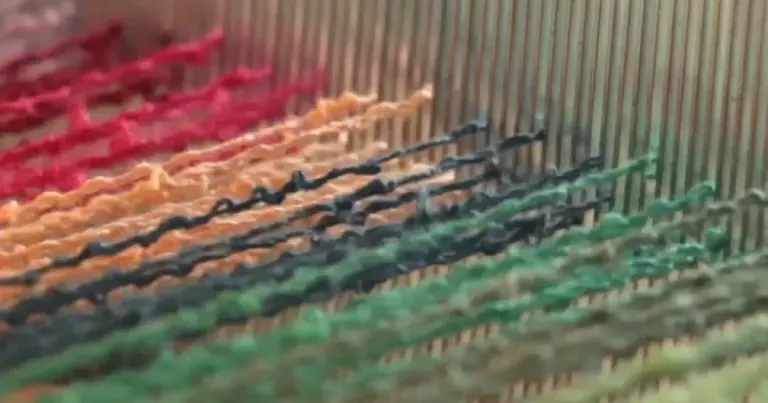
Tec/xtil
Fibre, function, fashion: a special exhibition taking clothing textiles apart into fibres, yarns and fabrics, from 19th-century objects to today's overproduction and textile waste.
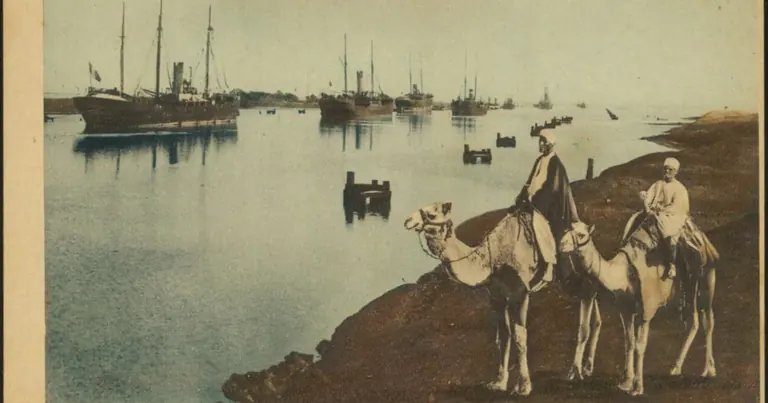
Der Suezkanal: Zwischen Ingenieurskunst und Kolonialismus
Diaries, photographs and maps from Alois Negrelli's estate show Austria's part in building the Suez Canal and in colonial networks. Shown inside Material Worlds.
Permanent Collections
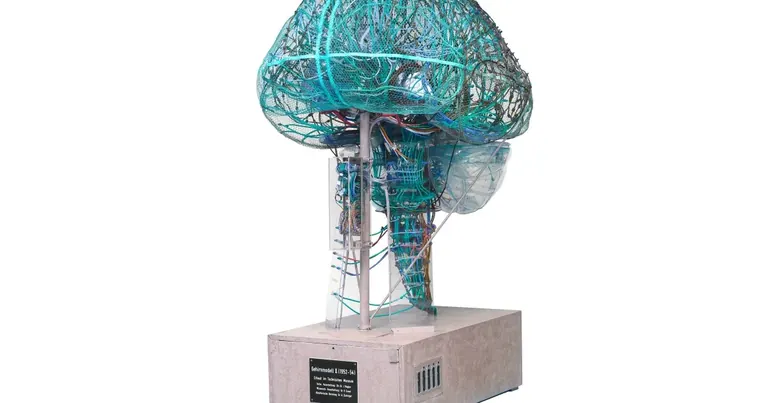
Science Changes
New permanent show across nine themed islands, from quantum physics to astronomy and brain research, on how knowledge is made, doubted and revised over four centuries.
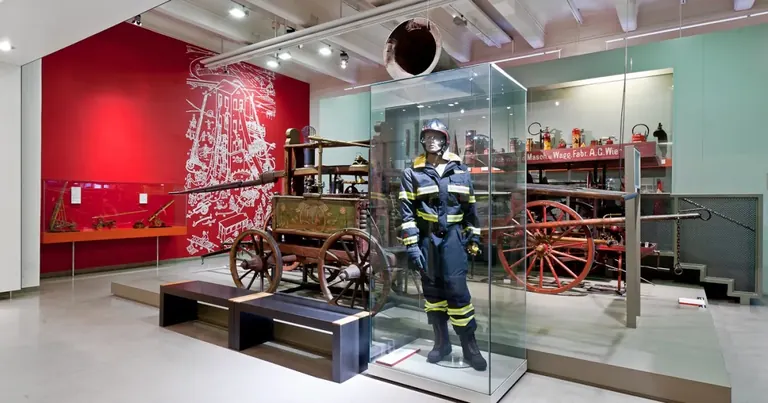
Alltag: Eine Gebrauchsanweisung
About 2,300 m² on the everyday technology we take for granted, from light switches and vacuum cleaners to toilets and food processing, framed through body, home, city and environment.
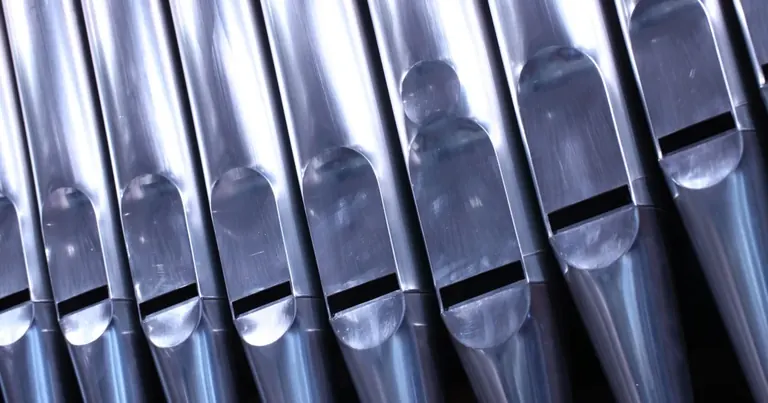
Musical Instruments
Piano and violin-making workshops, harpsichords and clavichords, self-playing music boxes and barrel organs, and the Buckow organ from the Vienna Hofburg chapel, many heard in sound and film.
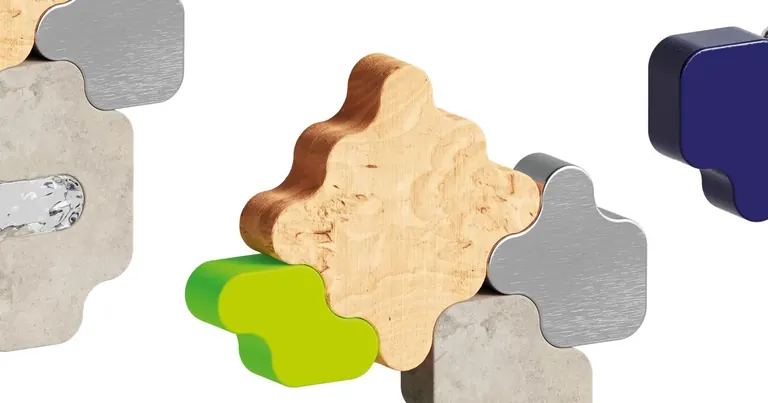
Material Worlds
Thirteen themed islands over 3,000 m² on how wood, glass, concrete, silicon and rubber are extracted, made and used, and what that costs the planet.

Climate. Knowledge. Action!
600 m² of climate data, satellite imagery and interactive stations, capped by a Future Simulator where your choices on food, housing and transport shape a 30-year scenario.
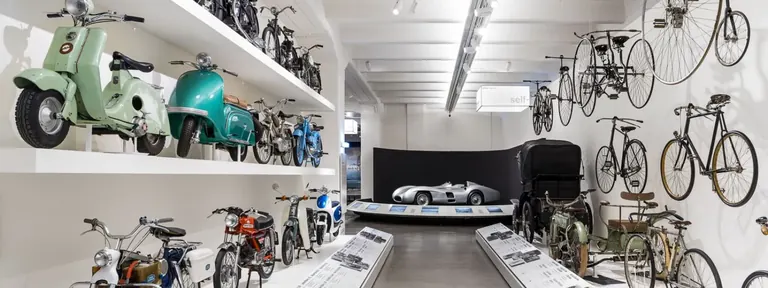
Mobility
About 800 objects over 3,000 m² on land, sea, air and space travel: the Siegfried Marcus car, the Lohner-Porsche electric car, a Silver Arrow, a Lilienthal glider and Viehböck's spacesuit.
Plan Your Visit
Getting there
Mariahilfer Straße 212, 1140 Wien, Austria
Nearest station: Penzinger Straße/Anschützgasse (Tram 52, 60), Johnstraße (U3, ~10 min walk) and Schönbrunn (U4, ~10 min walk)
Show on mapHours
| Mon | 09:00–18:00 |
| Tue | 09:00–18:00 |
| Wed | 09:00–18:00 |
| Thu | 09:00–18:00 |
| Fri | 09:00–18:00 |
| SatToday | 10:00–18:00 |
| Sun | 10:00–18:00 |
Admission
From €18
Free under 19; students, apprentices and ages 19-25 EUR 15.50; annual pass from EUR 40
Last verified
Visitor Information
- How much does Technisches Museum Wien (Vienna Technical Museum) cost?
- Standard adult admission to Technisches Museum Wien (Vienna Technical Museum) is €18. Free under 19; students, apprentices and ages 19-25 EUR 15.50; annual pass from EUR 40. Prices for special exhibitions and timed-entry slots may differ.
- What are the opening hours of Technisches Museum Wien (Vienna Technical Museum)?
- Technisches Museum Wien (Vienna Technical Museum) is open Mon-Fri 9:00-18:00; Sat, Sun and public holidays 10:00-18:00 (daily 10:00-18:00 in the summer holidays). Ticket desks close at 17:30. Closed 1 Jan, 1 May, 25 Dec and 31 Dec.. Holiday hours can vary, so check the museum's website before you go.
- Where is Technisches Museum Wien (Vienna Technical Museum)?
- Technisches Museum Wien (Vienna Technical Museum) is located at Mariahilfer Straße 212, 1140 Wien, Austria, in the Penzing area of Vienna. The nearest stations are Penzinger Straße/Anschützgasse (Tram 52, 60), Johnstraße (U3, ~10 min walk) and Schönbrunn (U4, ~10 min walk).
- What can I see at Technisches Museum Wien (Vienna Technical Museum)?
- Vienna's grand 1918 temple of technology: Silver Arrows, a Lilienthal glider, climate labs and hands-on science by Schönbrunn. Current highlights include Science Changes, More than Recycling and Alltag: Eine Gebrauchsanweisung.
- Do I need to book Technisches Museum Wien (Vienna Technical Museum) in advance?
- Booking ahead is recommended, especially for weekends, school holidays, and special exhibitions. Tickets are normally on the museum's website, and a pre-booked timed slot helps you avoid queues at the entrance.
- When is the best time to visit Technisches Museum Wien (Vienna Technical Museum)?
- Weekday mornings shortly after opening are typically the quietest, especially mid-week. Late afternoons can also be calmer. Weekends, school holidays, and the lunch rush are the busiest periods.
Image credits
12
- Technisches Museum Wien (Vienna Technical Museum)C.Stadler/Bwag, Wikimedia Commons, CC BY-SA 4.0
- Science ChangesCourtesy of Technisches Museum Wien (Vienna Technical Museum)
- More than RecyclingCourtesy of Technisches Museum Wien (Vienna Technical Museum)
- Alltag: Eine GebrauchsanweisungCourtesy of Technisches Museum Wien (Vienna Technical Museum)
- Musical InstrumentsCourtesy of Technisches Museum Wien (Vienna Technical Museum)
- Innovation Corner: Power ForwardCourtesy of Technisches Museum Wien (Vienna Technical Museum)
- In BewegungCourtesy of Technisches Museum Wien (Vienna Technical Museum)
- Der Suezkanal: Zwischen Ingenieurskunst und KolonialismusCourtesy of Technisches Museum Wien (Vienna Technical Museum)
- Tec/xtilCourtesy of Technisches Museum Wien (Vienna Technical Museum)
- Material WorldsCourtesy of Technisches Museum Wien (Vienna Technical Museum)
- Climate. Knowledge. Action!Courtesy of Technisches Museum Wien (Vienna Technical Museum)
- MobilityCourtesy of Technisches Museum Wien (Vienna Technical Museum)