 i
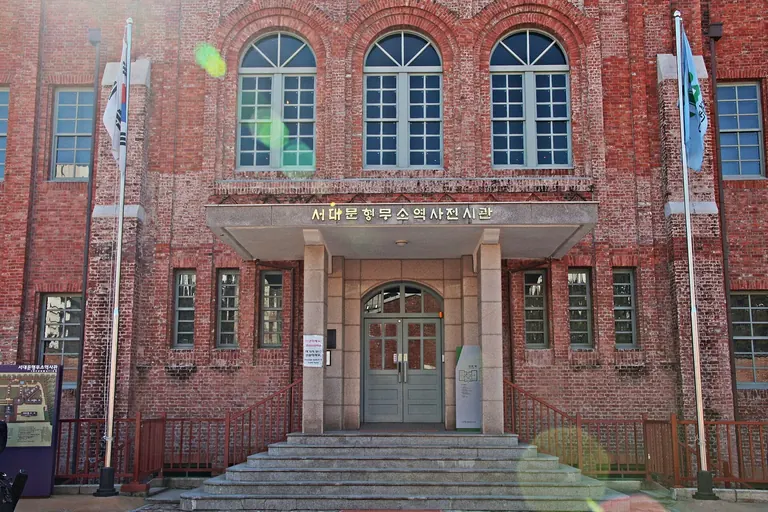
Seodaemun Prison History Hall
Built by Imperial Japan in 1908 as Gyeongseong Gamok, this red-brick prison held Korean independence activists, including the teenage martyr Yu Gwan-sun, through 80 years of colonial rule, division and dictatorship before closing in 1987. Eleven original buildings survive, including cell blocks, an underground torture chamber, watchtowers and the execution building with its hidden body-removal tunnel. Since 1998 the site has operated as a history museum and memorial park confronting Korea's independence struggle and modern political history.
More in Seoul
What's On
Permanent Collections
Labor Building
The former workhouse where inmates were forced to manufacture goods for prisons, the military and government offices, including munitions during the late 1930s.
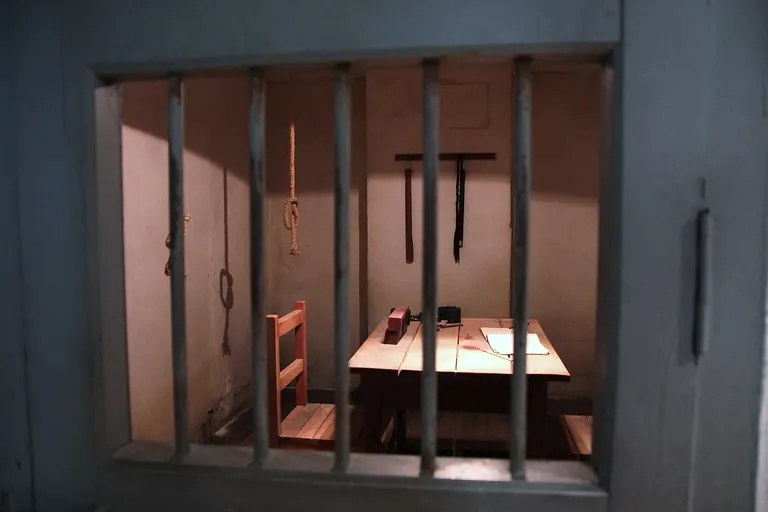
Administration and Security Office Exhibition Hall
The 1923 administration building housing the Prison History Room, three National Resistance rooms of independence-fighter relics, and the underground interrogation room with original torture implements.
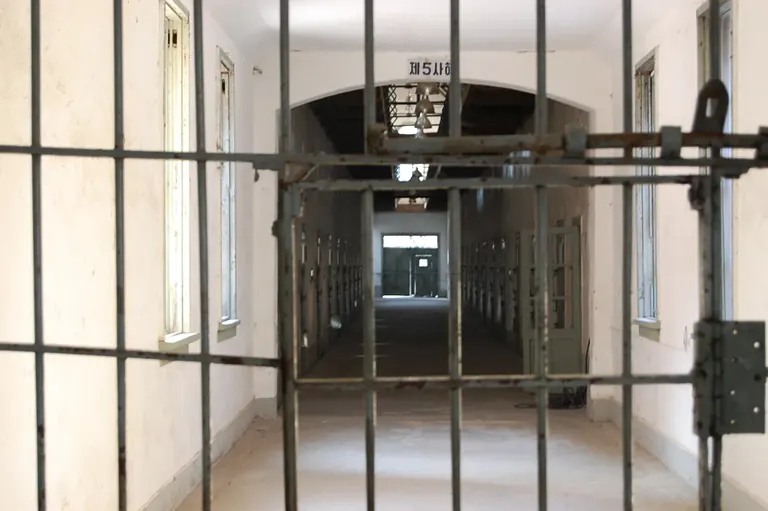
Prison Building No. 9
A two-storey 1920s cell block built to confine political prisoners opposing Japanese rule; its walls still show bullet damage from Korean War fighting.
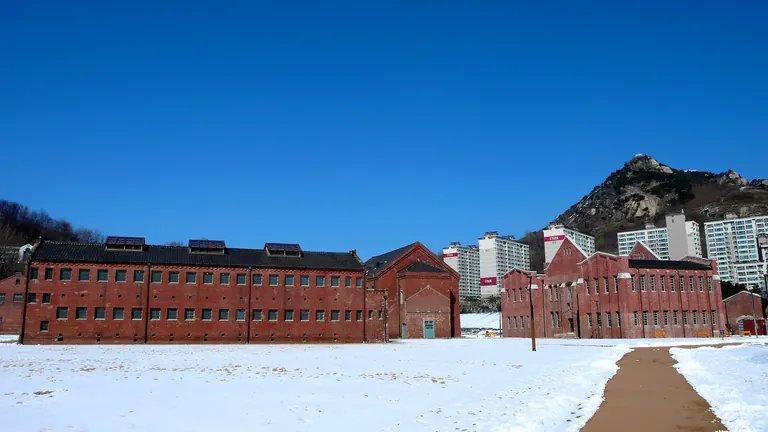
Central Prison Building
An overview of daily prison life at Seodaemun, covering the institution's organisation, guard monitoring systems, and the inmates' daily schedule.
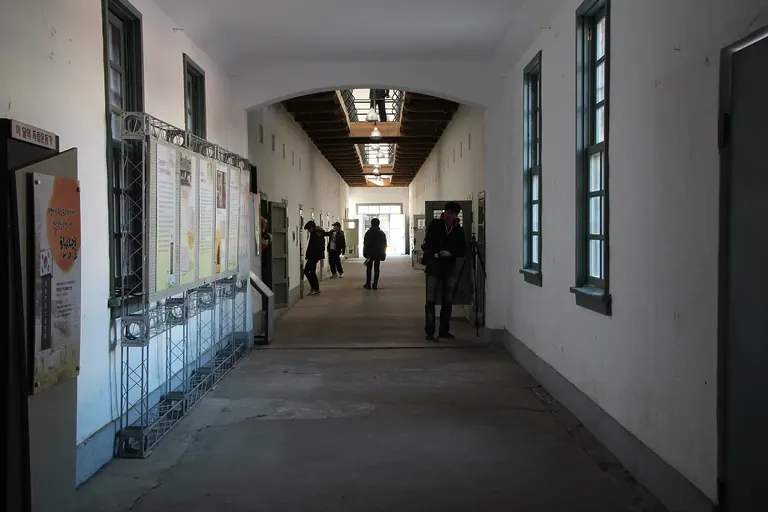
Prison Building No. 11–12
Original cell blocks that held independence and democracy activists; visitors can enter the cells and see the tap-code system prisoners used to communicate.
Plan Your Visit
Getting there
251 Tongil-ro, Seodaemun-gu, Seoul, South Korea
Nearest station: Dongnimmun Station (Line 3, Exit 5)
Show on mapHours
Different hours until 31 December, 09:30–17:00
| Mon | Closed |
| Tue | Closed |
| Wed | Closed |
| ThuToday | Closed |
| Fri | Closed |
| Sat | Closed |
| Sun | Closed |
Admission
From ₩3,000
Teens (13-18) ₩1,500; children (7-12) ₩1,000; seniors 65+ and infants under 7 free; groups of 20+ get 20% off
Last verified
Nearby
Visitor Information
- How much does Seodaemun Prison History Hall cost?
- Standard adult admission to Seodaemun Prison History Hall is ₩3,000. Teens (13-18) ₩1,500; children (7-12) ₩1,000; seniors 65+ and infants under 7 free; groups of 20+ get 20% off. Prices for special exhibitions and timed-entry slots may differ.
- What are the opening hours of Seodaemun Prison History Hall?
- Seodaemun Prison History Hall is open Open Tue-Sun, 9:30am-6pm (Mar-Oct) / 9:30am-5pm (Nov-Feb), last admission 30 min before closing. Closed Mondays (Tuesday instead if Monday is a public holiday), Jan 1, Seollal and Chuseok. The 2nd floor of the Exhibition (Administration) Building is closed for roof restoration 1 Nov 2025-28 Feb 2026.. Holiday hours can vary, so check the museum's website before you go.
- Where is Seodaemun Prison History Hall?
- Seodaemun Prison History Hall is located at 251 Tongil-ro, Seodaemun-gu, Seoul, South Korea, in the Seodaemun-gu area of Seoul. The nearest station is Dongnimmun Station (Line 3, Exit 5).
- What can I see at Seodaemun Prison History Hall?
- A former colonial-era prison turned memorial, where Korean independence fighters were jailed, tortured and executed. Current highlights include Labor Building, Administration and Security Office Exhibition Hall and Prison Building No. 9.
- Do I need to book Seodaemun Prison History Hall in advance?
- Booking ahead is recommended, especially for weekends, school holidays, and special exhibitions. Tickets are normally on the museum's website, and a pre-booked timed slot helps you avoid queues at the entrance.
- When is the best time to visit Seodaemun Prison History Hall?
- Weekday mornings shortly after opening are typically the quietest, especially mid-week. Late afternoons can also be calmer. Weekends, school holidays, and the lunch rush are the busiest periods.
Image credits
7
- Seodaemun Prison History HallNoh Mun Duek / Wikimedia Commons, CC BY-SA 4.0
- Administration and Security Office Exhibition HallNoh Mun Duek, Wikimedia Commons, CC BY-SA 4.0
- Prison Building No. 9WaffenSS / Wikimedia Commons, CC BY-SA 3.0
- Central Prison BuildingChristopher (Shanghai), Wikimedia Commons, CC BY 2.0
- Prison Building No. 11–12Noh Mun Duek / Wikimedia Commons, CC BY-SA 4.0
- Seoul Museum of HistoryJjw / Wikimedia Commons, CC BY-SA 3.0
- National Palace Museum of KoreaJinho Jung, via Wikimedia Commons, CC BY-SA 2.0