 i
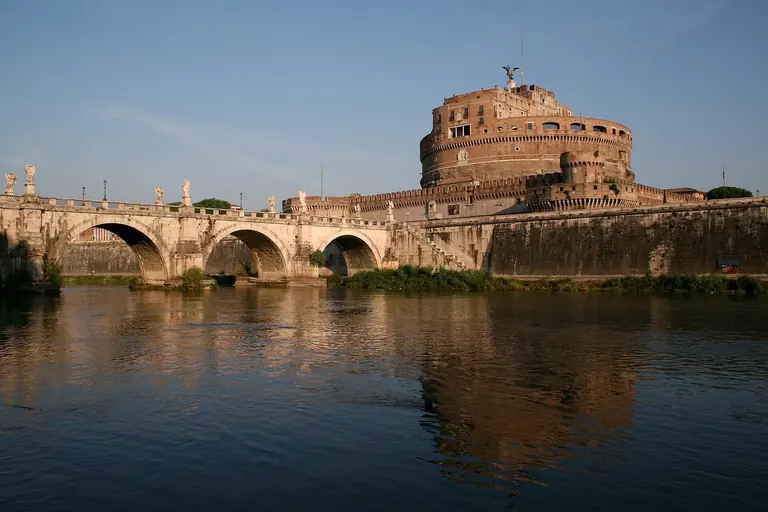
Castel Sant'Angelo - Museo Nazionale
Built around 139 AD as the towering circular tomb of Emperor Hadrian, Castel Sant'Angelo was later absorbed into Rome's walls and rebuilt by the popes as a fortress, refuge and prison, linked to the Vatican by the fortified Passetto di Borgo corridor. A spiral ramp climbs past papal apartments, frescoed Renaissance halls such as the Sala Paolina, a historic armoury and old cells to a panoramic terrace topped by Verschaffelt's 18th-century bronze archangel. Today it is the Museo Nazionale di Castel Sant'Angelo, telling nearly two thousand years of Roman history within one spiralling monument.
More in Rome
What's On
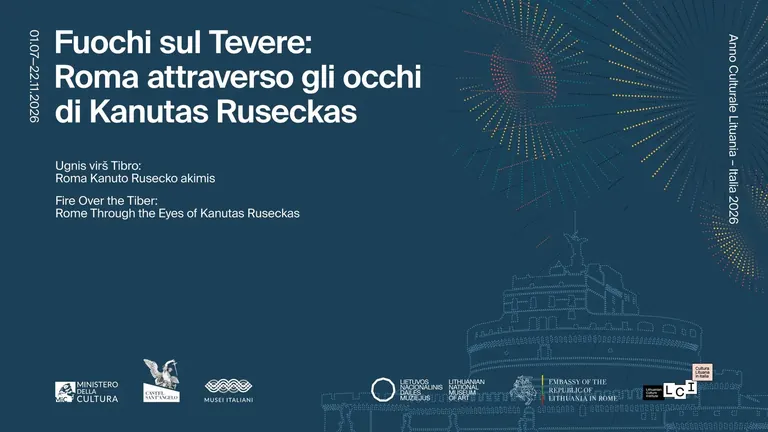
Fuochi sul Tevere: Roma attraverso gli occhi di Kanutas Ruseckas
The Castellan's apartment hosts a selection of paintings by 19th-century Lithuanian Romantic painter Kanutas Ruseckas, part of the Italy-Lithuania 2026 cultural year, exploring Rome's pull on European artists.
Luchino Visconti e la messa in scena della storia
Documents, costumes, screenplays and archive material trace Visconti's career, 120 years after his birth, with a focus on Il Gattopardo.
Permanent Collections
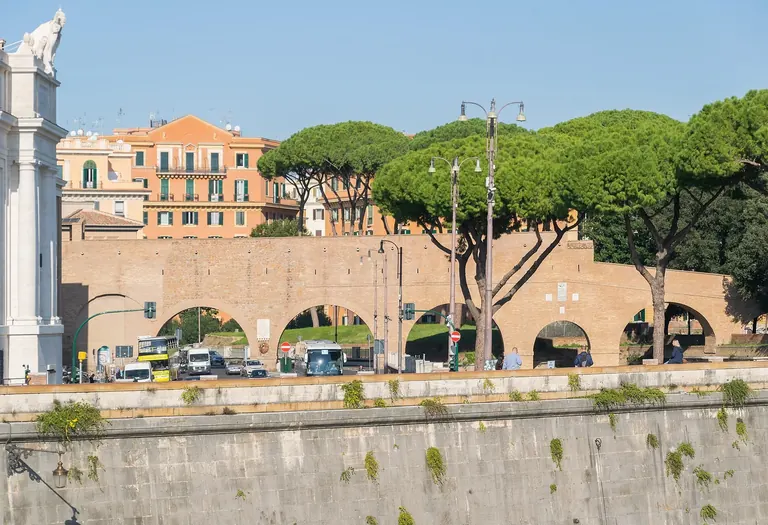
Passetto di Borgo
The fortified elevated corridor built into the Leonine walls that let popes flee the Vatican to the castle's safety, famously used by Clement VII during the 1527 Sack of Rome.
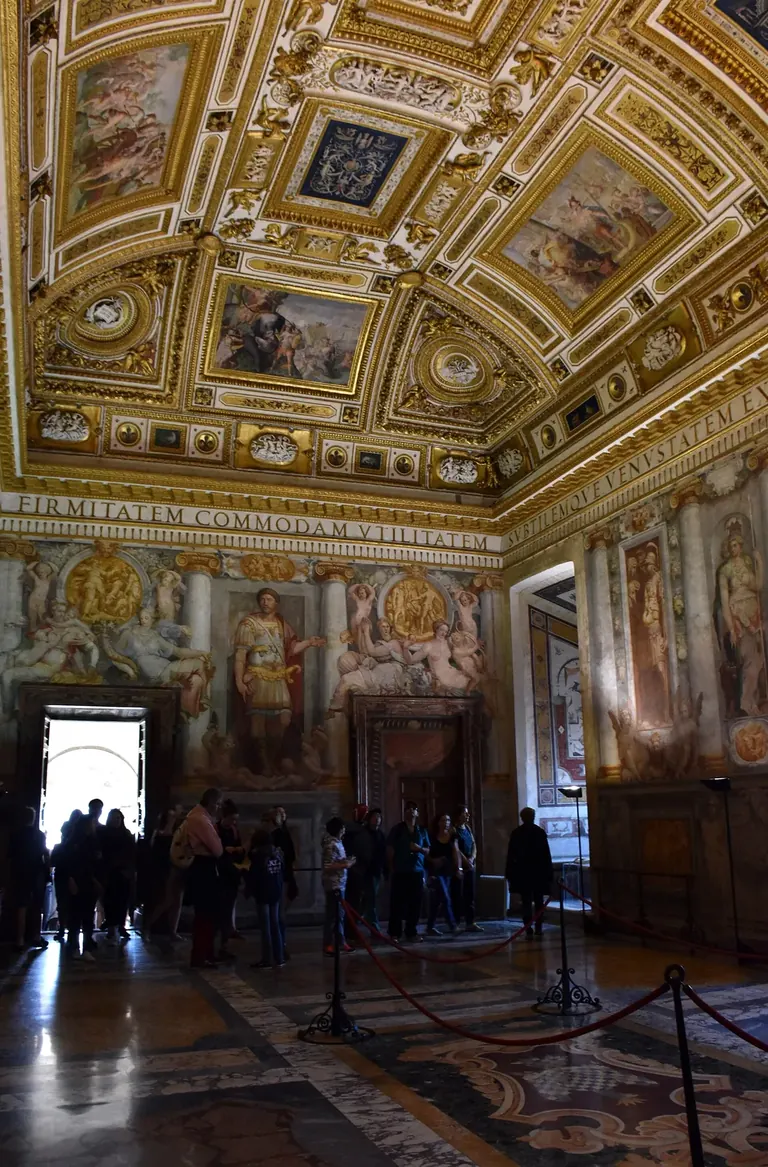
Sala Paolina
The grandest papal hall, frescoed 1545-47 by Perino del Vaga and his workshop with illusionistic scenes from the lives of Alexander the Great and Saint Paul beneath a coffered ceiling.
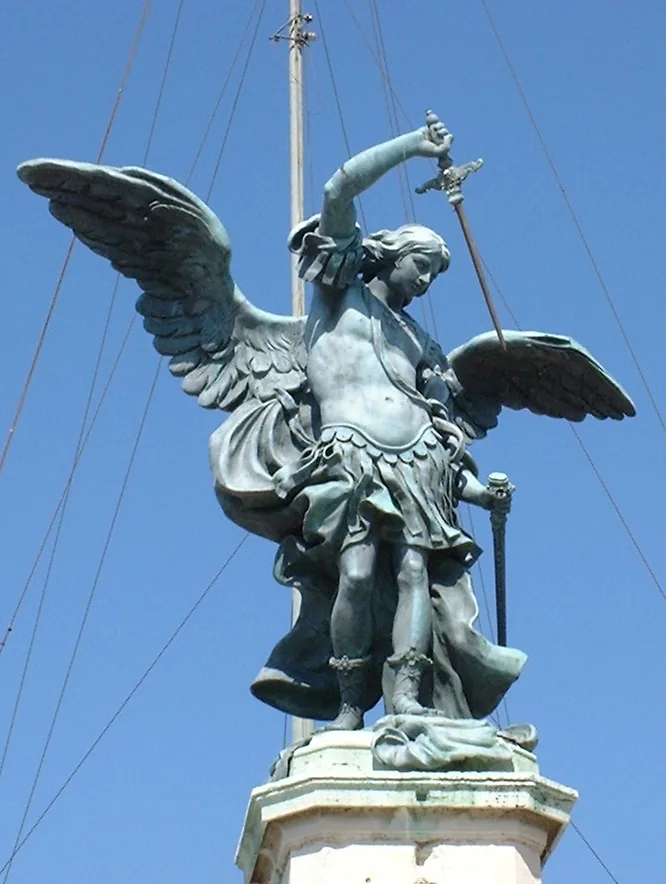
Terrazza dell'Angelo and the Bronze Archangel
The rooftop terrace offers a sweeping panorama of Rome beneath Peter Anton von Verschaffelt's 1753 bronze statue of the Archangel Michael sheathing his sword, the castle's emblem.
Plan Your Visit
Getting there
Lungotevere Castello 50, 00193 Roma RM, Italy
Nearest station: Lepanto (Metro Line A), Ottaviano (Metro Line A) and Roma San Pietro (regional rail)
Show on mapHours
| Mon | Closed |
| Tue | 09:00–19:30 |
| WedToday | 09:00–19:30 |
| Thu | 09:00–19:30 |
| Fri | 09:00–19:30 |
| Sat | 09:00–19:30 |
| Sun | 09:00–19:30 |
Admission
From €18
Full ticket EUR 18 (from 1 July 2026); reductions and free entry per Italian state-museum rules; 'Lunedi di Castello' first Monday of the month EUR 5
Last verified
Nearby
Visitor Information
- How much does Castel Sant'Angelo - Museo Nazionale cost?
- Standard adult admission to Castel Sant'Angelo - Museo Nazionale is €18. Full ticket EUR 18 (from 1 July 2026); reductions and free entry per Italian state-museum rules; 'Lunedi di Castello' first Monday of the month EUR 5. Prices for special exhibitions and timed-entry slots may differ.
- What are the opening hours of Castel Sant'Angelo - Museo Nazionale?
- Castel Sant'Angelo - Museo Nazionale is open Tuesday to Sunday 09:00-19:30 (last entry 18:30); closed Mondays except the first Monday of the month (14:00-20:00). Holiday hours can vary, so check the museum's website before you go.
- Where is Castel Sant'Angelo - Museo Nazionale?
- Castel Sant'Angelo - Museo Nazionale is located at Lungotevere Castello 50, 00193 Roma RM, Italy, in the Borgo area of Rome. The nearest stations are Lepanto (Metro Line A), Ottaviano (Metro Line A) and Roma San Pietro (regional rail).
- What can I see at Castel Sant'Angelo - Museo Nazionale?
- Hadrian's cylindrical mausoleum turned papal fortress and prison, now a national museum crowned by a bronze angel above the Tiber. Current highlights include Passetto di Borgo, Luchino Visconti e la messa in scena della storia and Sala Paolina.
- Do I need to book Castel Sant'Angelo - Museo Nazionale in advance?
- Booking ahead is recommended, especially for weekends, school holidays, and special exhibitions. Tickets are normally on the museum's website, and a pre-booked timed slot helps you avoid queues at the entrance.
- When is the best time to visit Castel Sant'Angelo - Museo Nazionale?
- Weekday mornings shortly after opening are typically the quietest, especially mid-week. Late afternoons can also be calmer. Weekends, school holidays, and the lunch rush are the busiest periods.
Image credits
8
- Castel Sant'Angelo - Museo NazionaleJean-Pol GRANDMONT / Wikimedia Commons, CC BY-SA 3.0
- Passetto di BorgoKrzysztof Golik / Wikimedia Commons, CC BY-SA 4.0
- Sala PaolinaVassil / Wikimedia Commons, CC0
- Fuochi sul Tevere: Roma attraverso gli occhi di Kanutas RuseckasCourtesy of Castel Sant'Angelo - Museo Nazionale
- Terrazza dell'Angelo and the Bronze ArchangelPeter Anton von Verschaffelt (sculpture) / Wikimedia Commons, Public domain
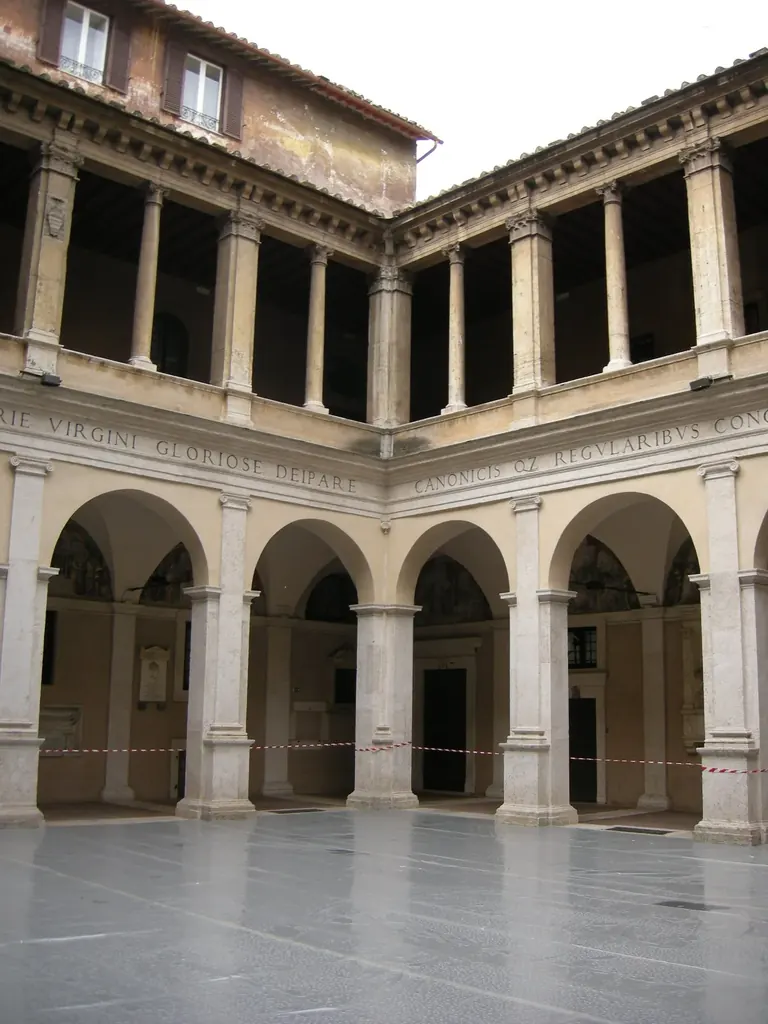
- Chiostro del BramanteSailko, via Wikimedia Commons, CC BY-SA 3.0
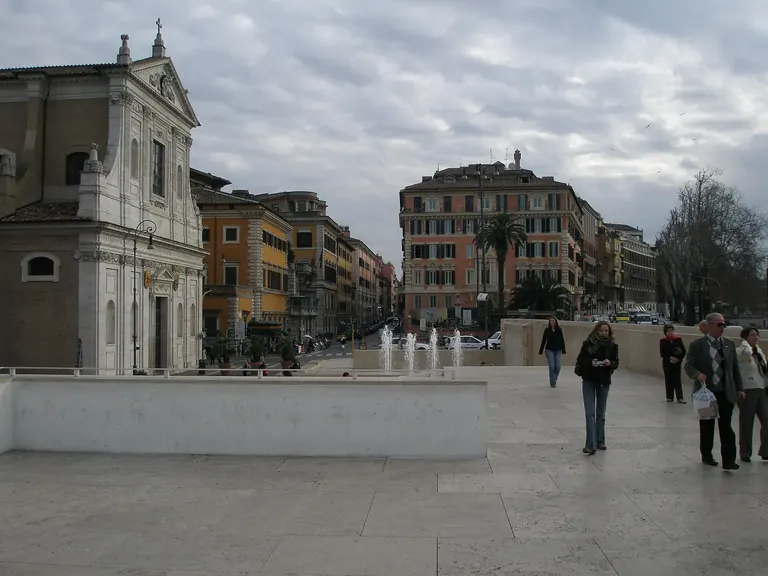
- Museo dell'Ara PacisCouncil, via Wikimedia Commons, Public domain
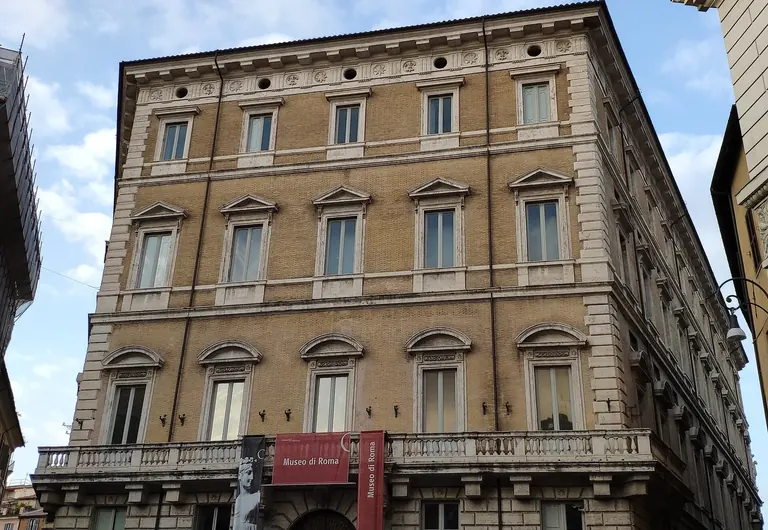
- Museo di Roma (Palazzo Braschi)Kaga tau / Wikimedia Commons, CC BY-SA 4.0