 i
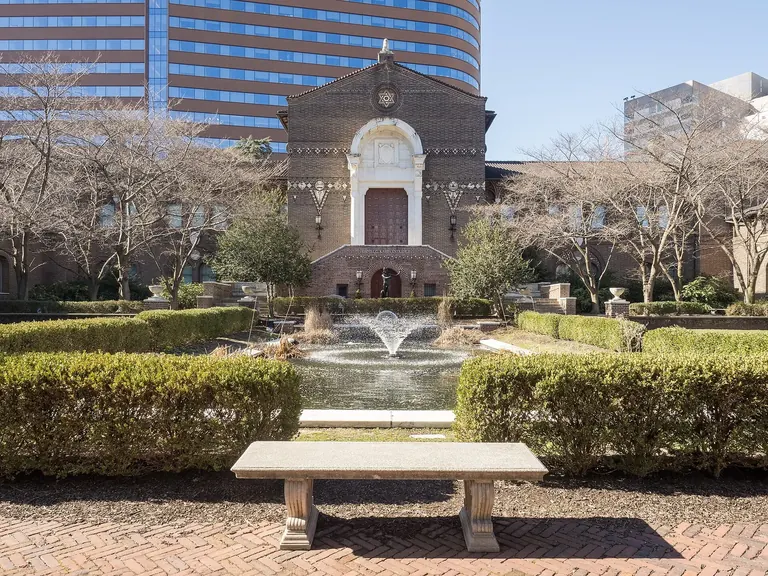
Penn Museum
The University of Pennsylvania Museum of Archaeology and Anthropology, founded in 1887, holds around a million objects gathered over more than 300 of its own excavations worldwide. Its galleries span Africa, Asia, the Middle East, Greece, Rome, Etruscan Italy, Mexico and Central America, and Native North America, with highlights including the Royal Tombs of Ur treasures and a 12-ton granite sphinx of Ramses II. The Beaux-Arts building of 1899, with its rotunda and walled garden, is itself part of the visit. A multi-year rebuild of the Ancient Egypt and Nubia galleries opens its first phase in December 2026.
More in Philadelphia
What's On
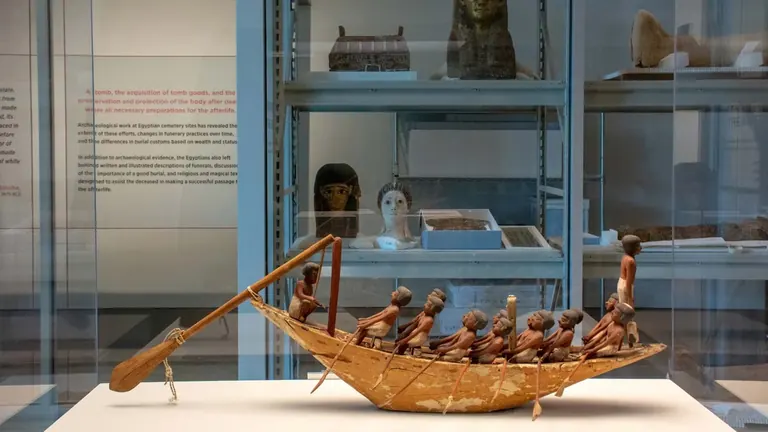
Ancient Egypt: From Discovery to Display
More than 200 Egyptian artifacts in visible storage, tracing the journey from excavation through conservation to display while the Egypt galleries are rebuilt.
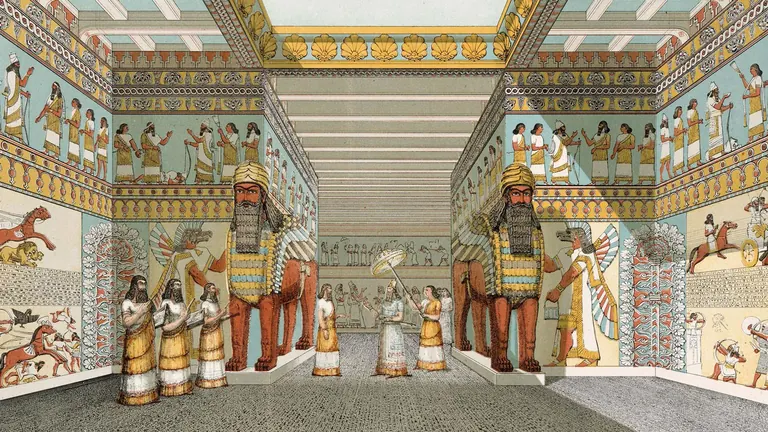
Preserving Assyria
Touchable 3D replicas of Assyrian reliefs, Near East artifacts and field footage tracing the community-led recovery of Nineveh's Mashki Gate, destroyed by ISIS in 2016.
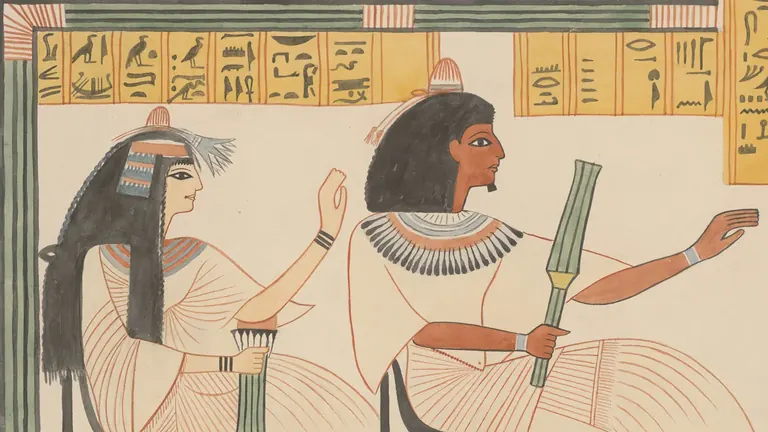
Ancient Egypt in Watercolors: Paintings and Artifacts from Dra Abu el-Naga
Century-old watercolours by Ahmed Yousef, never shown in the US, recording tomb paintings at Dra Abu el-Naga, paired with amulets, canopic jars and funerary figurines. Closes November 2026.
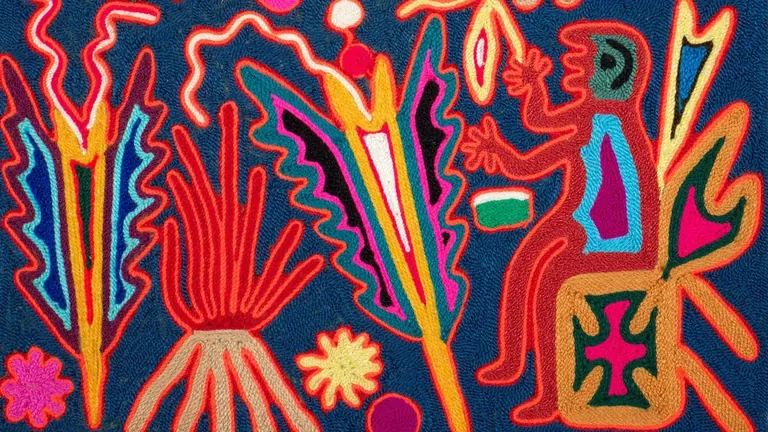
Between Worlds/Entre Mundos: Visions of the Wixaritari
Seven mid-1990s yarn paintings by Wixaritari artists from western Mexico, presented bilingually in a student-curated show about spiritual vision and cultural survival.
Permanent Collections
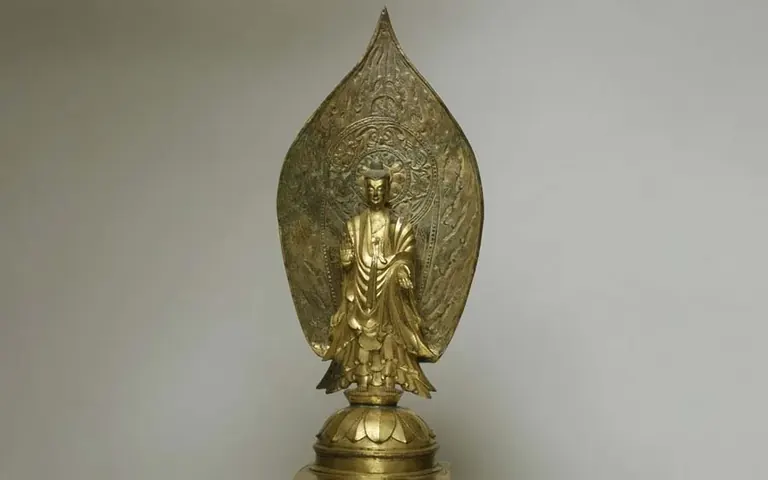
Asia Galleries
Monumental Asian art, including Chinese Buddhist sculpture and a statue of Guanyin, displayed in the museum's 90-foot-tall Harrison Rotunda.
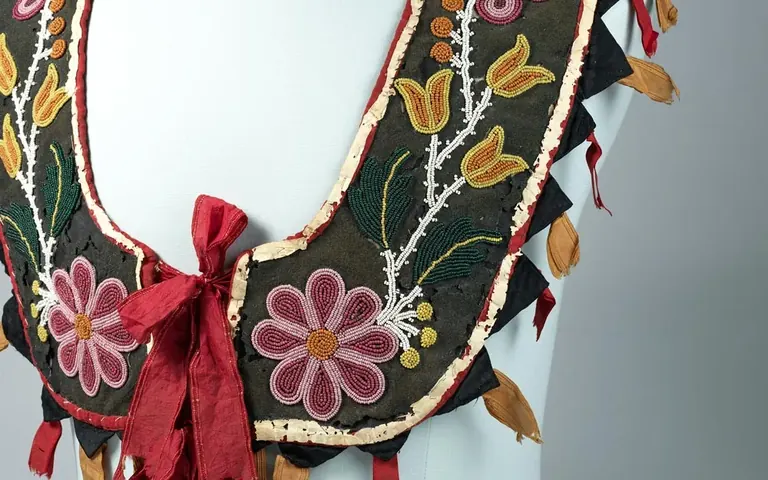
Native North America Gallery
More than 250 archaeological, ethnographic and contemporary works presented with first-person Native perspectives on continuity, creativity and resilience.
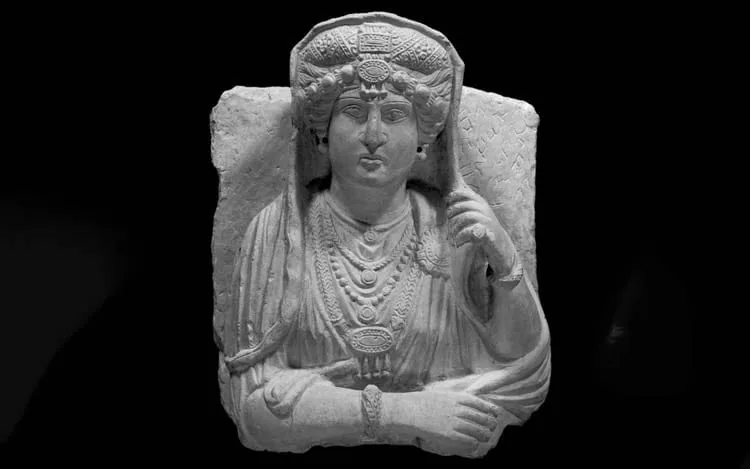
Rome Gallery
Roman life seen through portrait sculpture, marble reliefs, bronzes and miniature glass vessels, including finds from Lake Nemi.
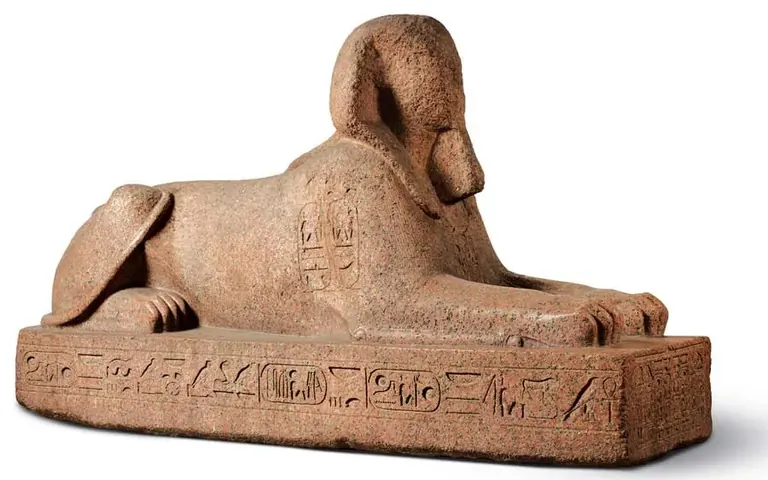
Ancient Egypt and Nubia: Life and Afterlife
The first phase of the museum's largest-ever renovation, opening 12 December 2026, centred on the 4,300-year-old Tomb Chapel of Kaipure shown for the first time in 30 years.
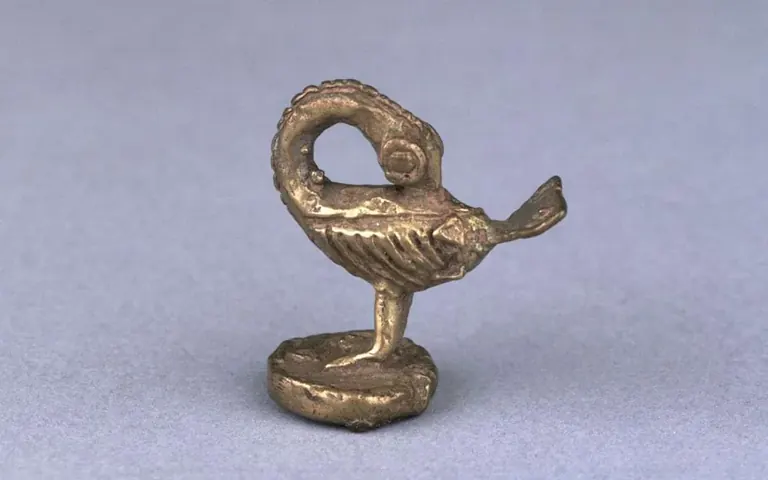
Africa Galleries
Some 300 objects from 21 countries covering Africa's great kingdoms and material culture, interpreted in part by the museum's Global Guides from African communities.
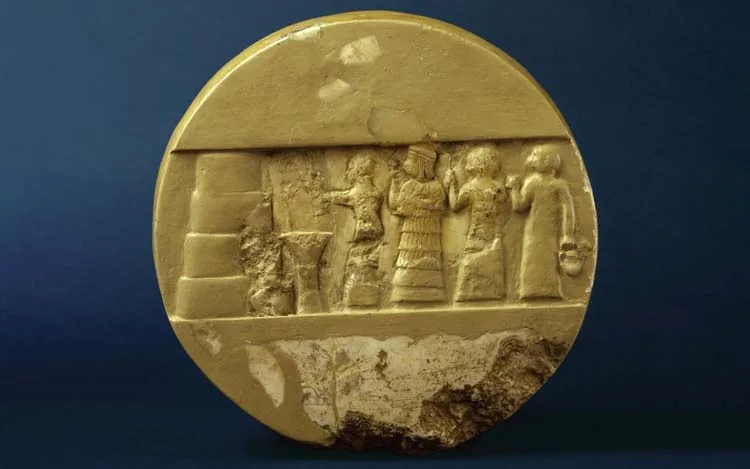
Middle East Galleries
The rise of the world's first cities told through Mesopotamian objects, including treasures from the Royal Tombs of Ur such as the famous lyre fragments.
Plan Your Visit
Getting there
3260 South Street, Philadelphia, PA 19104, United States
Nearest station: Penn Medicine Station (SEPTA), 30th Street Station and 40th Street Trolley Portal
Show on mapHours
| MonToday | Closed |
| Tue | 10:00–17:00 |
| Wed | 10:00–17:00 |
| Thu | 10:00–17:00 |
| Fri | 10:00–17:00 |
| Sat | 10:00–17:00 |
| Sun | 10:00–17:00 |
Admission
From $23
Seniors 65+ $21; youth 6-17 and college students $14; children 5 and under free; free for Penn students/staff, ACCESS/EBT cardholders, active US military and veterans, K-12 teachers and tribal cardholders
Last verified
Nearby

Visitor Information
- How much does Penn Museum cost?
- Standard adult admission to Penn Museum is $23. Seniors 65+ $21; youth 6-17 and college students $14; children 5 and under free; free for Penn students/staff, ACCESS/EBT cardholders, active US military and veterans, K-12 teachers and tribal cardholders. Prices for special exhibitions and timed-entry slots may differ.
- What are the opening hours of Penn Museum?
- Penn Museum is open Tuesday to Sunday 10:00-17:00; closed Mondays and major holidays. Closed 22 and 23 September 2026.. Holiday hours can vary, so check the museum's website before you go.
- Where is Penn Museum?
- Penn Museum is located at 3260 South Street, Philadelphia, PA 19104, United States, in the University City area of Philadelphia. The nearest stations are Penn Medicine Station (SEPTA), 30th Street Station and 40th Street Trolley Portal.
- What can I see at Penn Museum?
- A million-artifact archaeology museum on Penn's campus, from Mesopotamian lyres to a granite sphinx. Current highlights include Asia Galleries, Native North America Gallery and Ancient Egypt in Watercolors: Paintings and Artifacts from Dra Abu el-Naga.
- Do I need to book Penn Museum in advance?
- Booking ahead is recommended, especially for weekends, school holidays, and special exhibitions. Tickets are normally on the museum's website, and a pre-booked timed slot helps you avoid queues at the entrance.
- When is the best time to visit Penn Museum?
- Weekday mornings shortly after opening are typically the quietest, especially mid-week. Late afternoons can also be calmer. Weekends, school holidays, and the lunch rush are the busiest periods.
Image credits
13
- Penn Museumajay_suresh via Wikimedia Commons, CC BY 2.0
- Asia GalleriesCourtesy of Penn Museum
- Native North America GalleryCourtesy of Penn Museum
- Ancient Egypt in Watercolors: Paintings and Artifacts from Dra Abu el-NagaCourtesy of Penn Museum
- Between Worlds/Entre Mundos: Visions of the WixaritariCourtesy of Penn Museum
- Ancient Egypt: From Discovery to DisplayCourtesy of Penn Museum
- Rome GalleryCourtesy of Penn Museum
- Ancient Egypt and Nubia: Life and AfterlifeCourtesy of Penn Museum
- Africa GalleriesCourtesy of Penn Museum
- Preserving AssyriaCourtesy of Penn Museum
- Middle East GalleriesCourtesy of Penn Museum
- Institute of Contemporary Art, Philadelphiaajay_suresh via Wikimedia Commons, CC BY 2.0
- Mütter Museum颐园居 / Wikimedia Commons, CC BY 4.0