 i
Science MuseumSouth Kensington
Becoming America: How Science Shaped a Nation
Marking 250 years since US independence, this exhibition reveals the science behind the nation's founding through maps, paintings and instruments from the 1760s to 1790s.
More in London
Benjamin Franklin noticed that letters took longer to reach America from Britain than to make the trip the other way, so he asked his cousin Timothy Folger, a whaler, why. The answer was the Gulf Stream. Their chart of it was the first to name the current, and it's in this show.
More than a hundred objects cover the 1760s to Washington's presidency in the 1790s, through colonists, enslaved and free people of African descent, and Indigenous nations. Among them are a microscope made for George III, Washington's farm tools from Mount Vernon and Benjamin Banneker's almanac. You finish at a 1776 printing of the Declaration of Independence, slightly longer than a sheet of A4.
The Revolution is the backdrop, not the subject. IanVisits found no single standout, "more a buffet selection of objects and facts", but reckoned you'd leave with half a dozen new things learned. I-M Magazine wanted more on the environmental cost of colonial expansion. It's free, on level 2, but you need a timed ticket.
Look for
The Dunlap Declaration
One of about 200 copies John Dunlap printed in 1776, of which 26 are known to survive, and the last thing you see.
The Gulf Stream chart
Franklin and Folger's map from about 1768, the first to name and record the current.
The mishoon
A ten-foot dugout canoe made for the exhibition from a single tree by a Mashpee Wampanoag maker using traditional fire methods.
The Exhumation of the Mastodon
Charles Willson Peale's painting of his own dig, shown in the UK for the first time; he later rebuilt the skeleton in his Philadelphia museum.
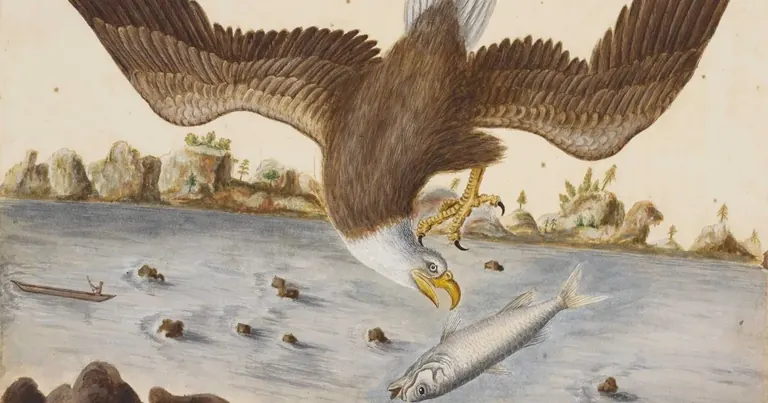
Catesby's bald eagle
A watercolour owned by George III of the bird diving at a fish, wings stretched across the width of the sheet.
Good for
- Cheap Culture
- Nerding Out
- Out-Of-Town Guests
Skip if
You want the war itself: the museum says the American Revolution is backdrop, not focus.
With kids
The museum recommends it for ages 11 and up, and warns that some historical material uses language and imagery now considered racist. It's on level 2 with lift access, and there are benches throughout.
Also at Science Museum
On now nearby
Nearby
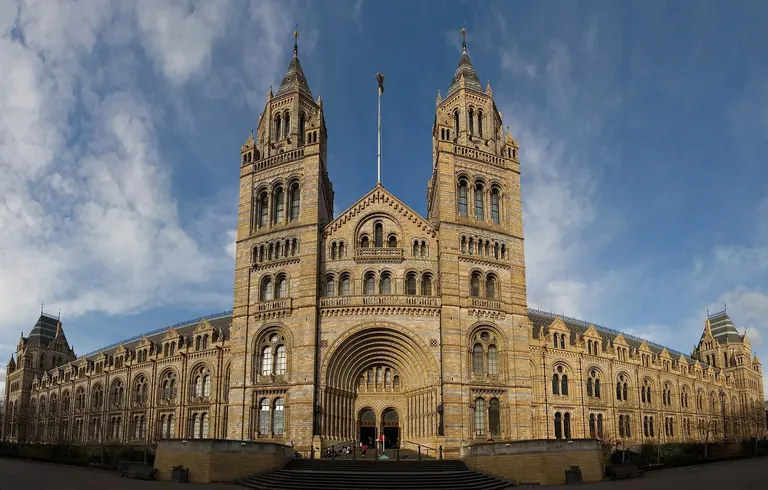
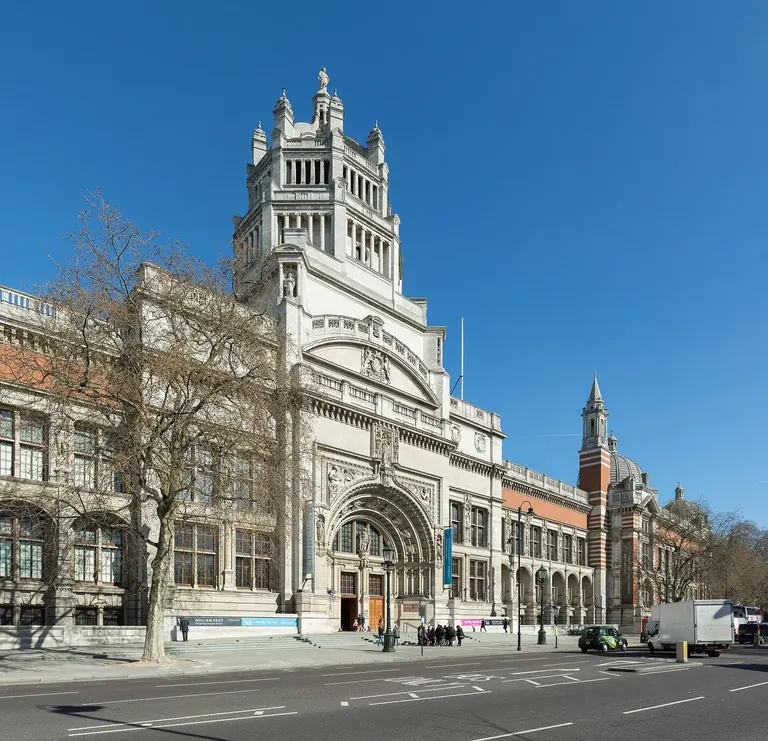
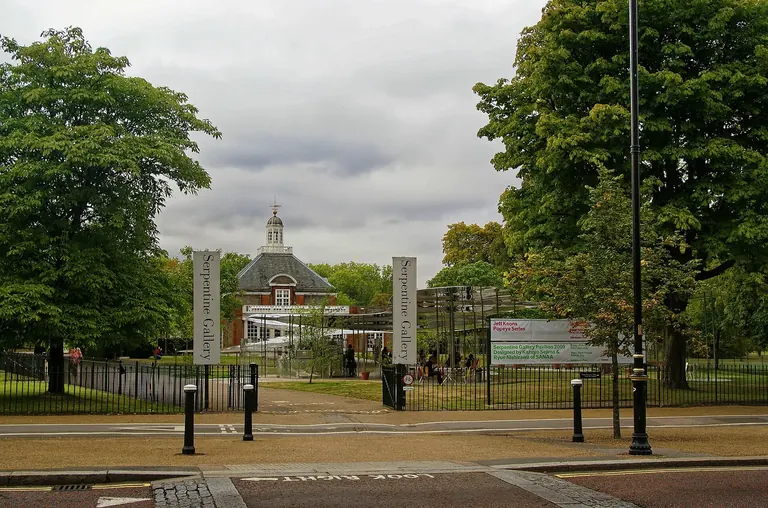
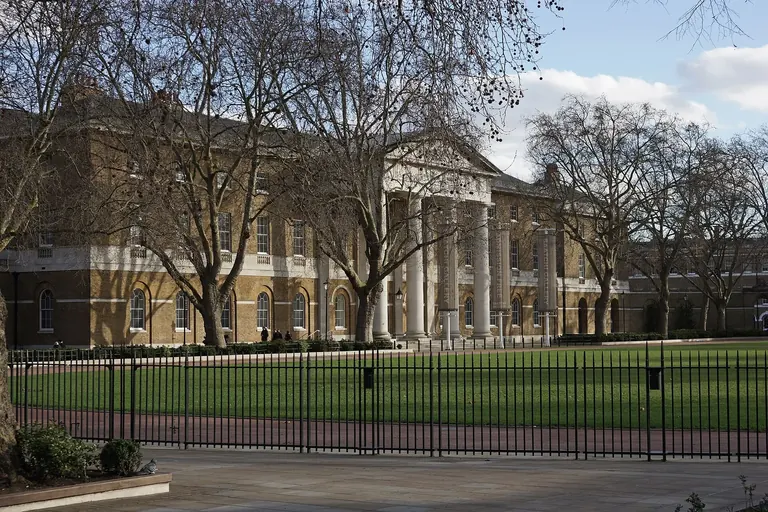
Image credits
9
- Becoming America: How Science Shaped a NationCourtesy of Science Museum
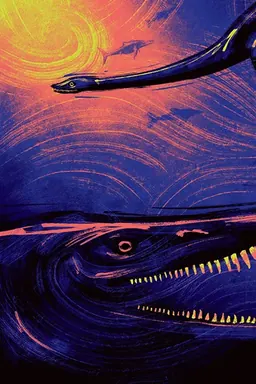
- Jurassic Oceans: Monsters of the DeepCourtesy of Natural History Museum
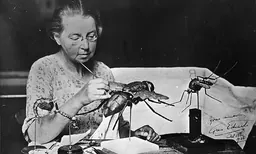
- Sir Richard Owen: A Natural LegacyCourtesy of Natural History Museum
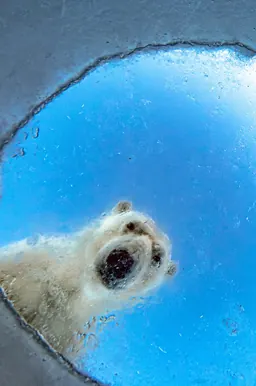
- Wildlife Photographer of the YearCourtesy of Natural History Museum
- Science MuseumChristine Matthews / Wikimedia Commons, CC BY-SA 2.0
- Natural History MuseumDiliff / Wikimedia Commons, CC BY-SA 3.0
- Victoria and Albert MuseumDiliff / Wikimedia Commons, CC BY-SA 3.0
- Serpentine GalleryTxllxt TxllxT / Wikimedia Commons, CC BY-SA 3.0
- Saatchi GalleryAnthony O'Neil / Wikimedia Commons, CC BY-SA 2.0