The Morgan Library & Museum · Murray Hill
Graphic Devotions: Late Medieval European Blockbooks
Blockbooks from 1450–80, when woodblock-printed books competed with manuscripts and typeset books, including a rare Ars moriendi, from the largest US collection of blockbooks.
紐約更多展覽
預覽:撰寫於展覽開幕之前
On every page of a blockbook, the words and the picture were cut into the same block of wood and printed together. They are often called "medieval graphic novels", and they were the first print-on-demand books in the West. They appeared around 1450 and had largely died out by 1480.
For those thirty years they competed with handwritten manuscripts and with books set in movable type, and lost: carving a page in wood was slower than setting it. The centrepiece is an Ars moriendi, a guide to dying well, printed in the Netherlands around 1467 to 1469. Pierpont Morgan bought nine of its 24 leaves in 1902, and the museum bought the other fifteen from a private collection in 2022, so you are looking at the only known complete copy.
The Morgan holds the largest blockbook collection in the United States, and curator John McQuillen's catalogue is a census of every blockbook or fragment in US collections. The Morgan stays open until 8pm on Fridays.
看點
The reunited Ars moriendi (c. 1467-69)
A woodcut guide to dying well, shown whole: nine leaves Pierpont Morgan bought in 1902 rejoined by fifteen the museum bought in 2022, the only known complete copy.
適合
- 夜遊
- 逛遍名館的本地人
- 發燒友
The Morgan Library & Museum其他展覽
附近現正展出

附近
圖片來源
5
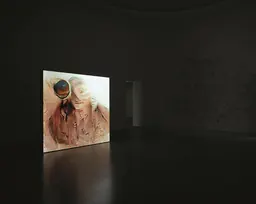
- Pierre Huyghe: UUmweltCourtesy of Museum of Modern Art (MoMA)
- 解放的建築師:西非的現代主義 (Architects of Liberation: Modernism in Western Africa)Courtesy of Museum of Modern Art (MoMA)
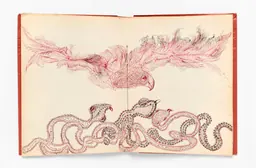
- 超現實主義之書:明日活在鏡中 (The Surrealist Book: Tomorrow Lives in Mirrors)Courtesy of Museum of Modern Art (MoMA)
- The Morgan Library & MuseumMike Peel, CC BY-SA 4.0
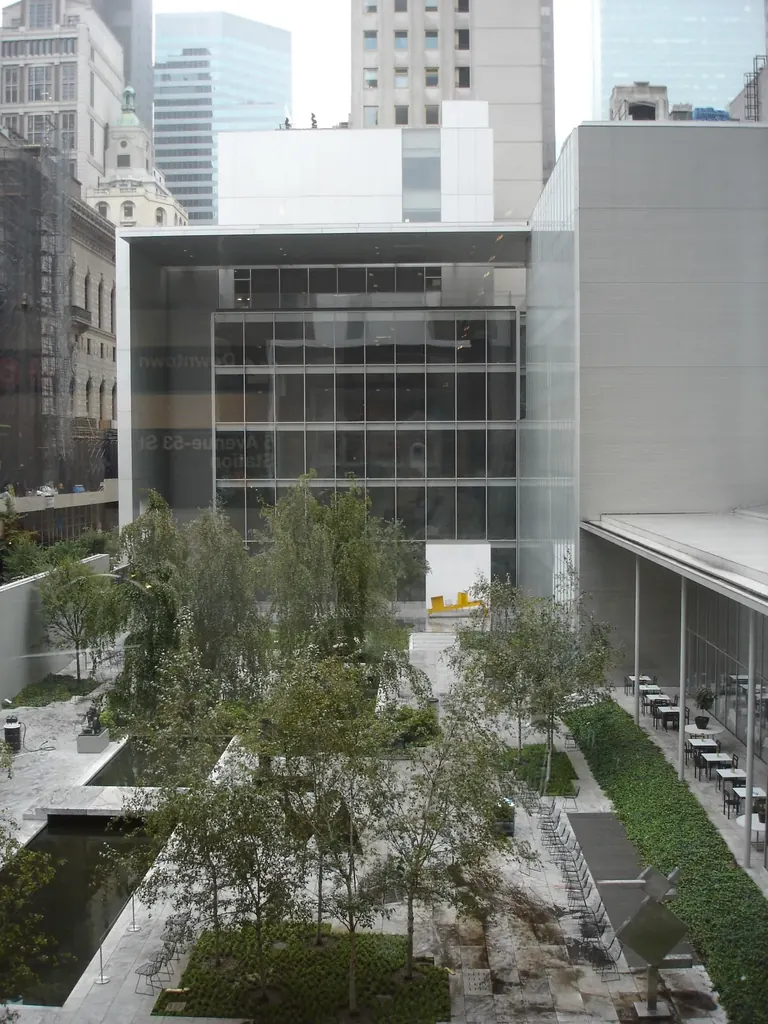
- Museum of Modern Art (MoMA)hibino via Wikimedia Commons, CC BY 2.0