Yapı Kredi Kültür SanatBeyoğlu
Imprints on the Century: Koç Group and the Arts
A timeline from the 1920s to today of the Koç Group's role in Turkish culture, told through artworks and archives from its institutional collections.
À voir aussi à Istanbul
You walk in to a young Atatürk in a dark suit, hands in his pockets, in a photograph he signed for a friend on 16 November 1925. Facing him is an orange velvet dress with embroidered rosettes, from the Sadberk Hanım Museum.
From there a timeline in four sections runs from the 1920s to now, mixing archive photos and documents with works from Arter, the Ömer Koç Collection and the group's museums. A Hellenistic bronze child's head sits next to Vahap Avşar's contemporary work. Oral Çalışlar, writing in Posta, found the material "very dense". Ömer Koç calls collecting a disease with no cure. If you have ever left Çukurcuma with one more old postcard, consider yourself diagnosed.
It is a centenary celebration staged by a bank the Koç Group owns, so expect pride rather than critique. Entry is free, on İstiklal Caddesi by Galatasaray, until 29 November.
À ne pas manquer
Atatürk, 1925
At the entrance, Atatürk stands in a dark suit with his hands in his pockets, in a photograph inscribed to "our friend Haydar Bey".
Sadberk Hanım's orange velvet dress
Look for it on a black mannequin in a glass case: orange velvet in long bands, embroidered rosettes and a ruffled hem.
A Hellenistic child's head
A bronze from the 2nd century BC with full cheeks, curly hair and empty eye sockets, set on a clear base beside Vahap Avşar's work.
The 1954 painting prize
Aliye Berger's winning Güneşin Doğuşu, a crowded figurative scene under big trees, hangs opposite Eren Eyüboğlu's entry to the same contest.
Doğan Kardeş children's drawings
Prize drawings from the children's magazine, including Aylin Tanyeli's village with fields and two horse carts, and a 1949 contest on receiving an elephant from Nehru.
Idéal pour
- Culture à petit prix
- Passionnés
- Jours de pluie
À éviter si
You want critical distance: this is a celebratory centenary show staged by a Koç-owned bank's arts centre.
Aussi à Yapı Kredi Kültür Sanat
En ce moment à proximité
À proximité
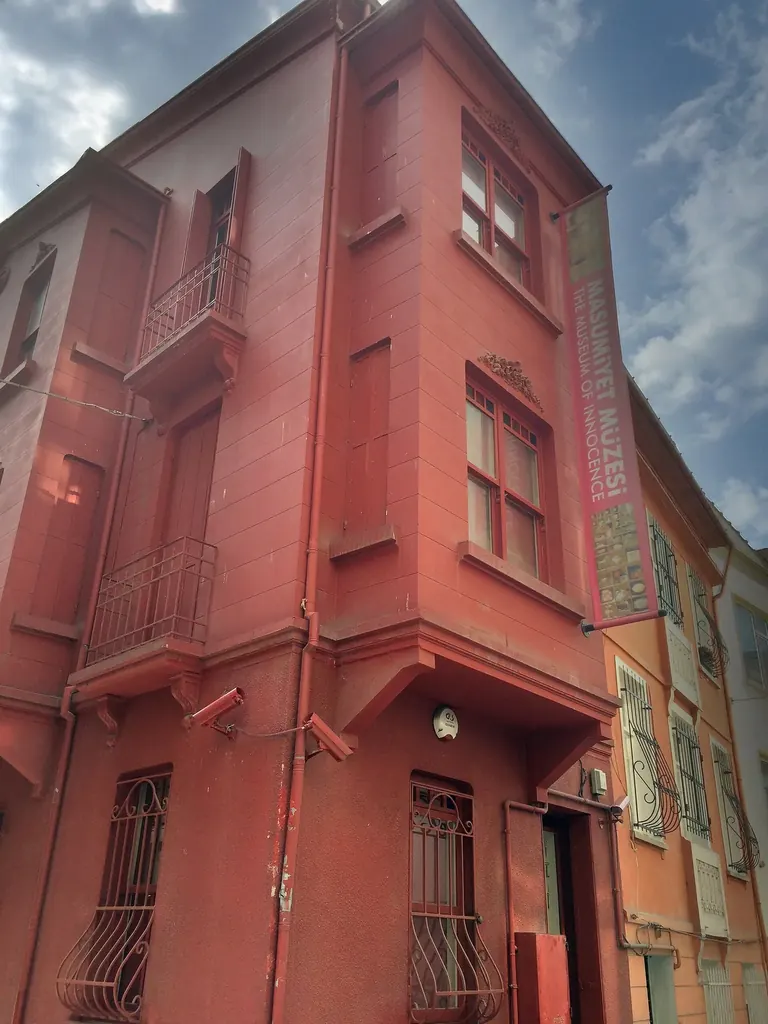
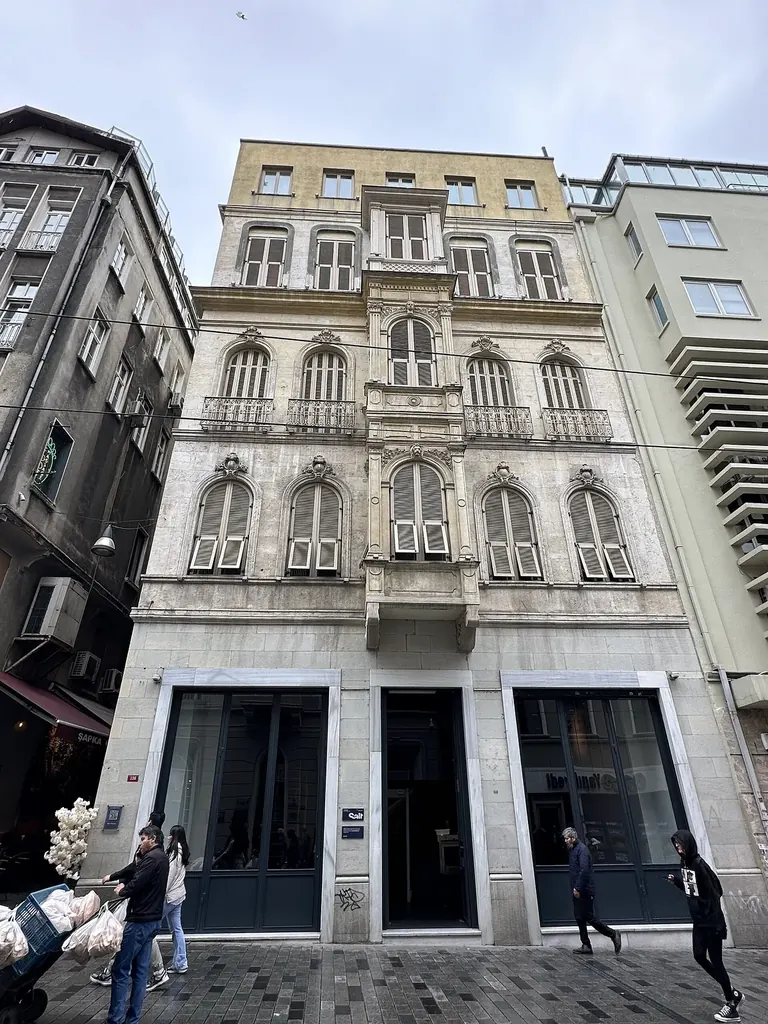
Crédits photo
7
- Frank Bowling: Creation and DestructionCourtesy of Pera Museum
- Behind the Camera of the RepublicCourtesy of Pera Museum
- Seyahat Sanatı: From the Sadberk Hanım Museum and Ömer Koç CollectionsCourtesy of Meşher
- Yapı Kredi Kültür SanatBasak / Wikimedia Commons, CC0
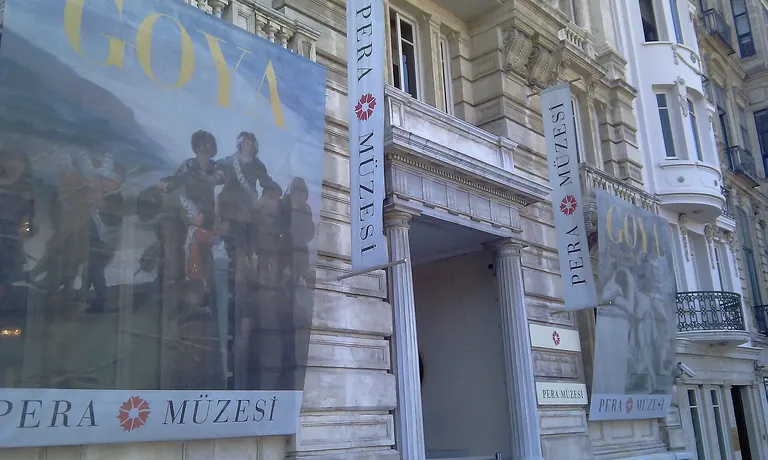
- Pera MuseumTatiana Matlina / Wikimedia Commons, CC BY-SA 3.0
- Museum of Innocenceuholz / Wikimedia Commons, CC BY-SA 3.0
- SALT BeyoğluMtls88 / Wikimedia Commons, CC0
Votre image ? Demandez-nous de la corriger ou de la retirer.