 i
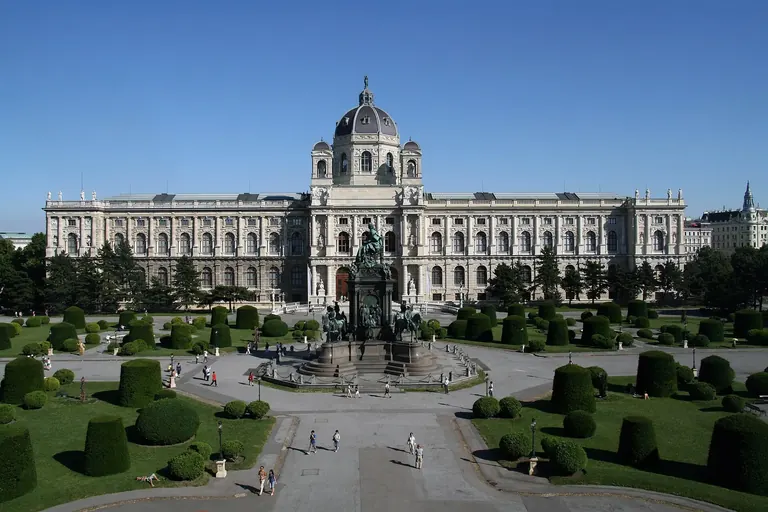
Natural History Museum Vienna (Naturhistorisches Museum Wien)Innere Stadt
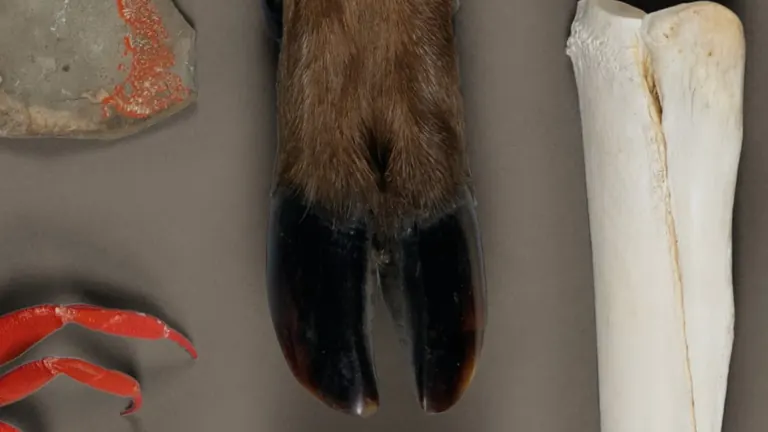
Good Collecting – Bad Collecting. 150 Years of the Natural History Museum Vienna
The anniversary show traces how a 30,000-object imperial collection grew into 30 million, and looks critically at the darker sides of collecting and exploration.
Más en Viena
Near the entrance, one of the museum's 160 old gallery spittoons faces the handprint a climate activist left in 2022, after gluing herself down in the dinosaur hall. Co-curator Mathias Harzhauser's brief for the design was "punk, not Biedermeier".
The first big hall asks why anyone collects: you walk up to what looks like a cocktail bar, and the bottles hold snakes and lizards in alcohol. A wall panel says the museum keeps about 80 tonnes of the stuff, by its own reckoning the biggest alcohol store in Austria. Elsewhere are the darker parts: finds dug up by prisoners of the Gusen concentration camp, and a gorilla from 1847 labelled "spectacularly unethical". You finish in a room of 3D digital models.
ORF called it a worthwhile compromise between a showcase and a critical stocktake that often stays on the surface. It is on the first floor, up the stairs and left from the entrance hall, included in the €18 museum ticket. The museum is open until 20:00 on Wednesdays.
No te pierdas
The Typus Bar
Look for a sleek bar wall of bottles: up close they are snakes and lizards preserved in alcohol, the type specimens scientists use to define a species.
The spittoon and the handprint
One of the 160 spittoons that once stood in the halls is paired with the preserved handprint of an activist who glued herself down in the dinosaur hall in 2022.
The larder beetle case
A case of live larder beetles works its way through a large piece of anaconda meat, showing what pests can do to a collection.
The Habsburg arcade game
A pixel-style shooter takes aim at Franz Ferdinand, who killed more than 274,000 animals in his lifetime; Harzhauser says it is meant to make adults uneasy.
The Venus of Willendorf, reinterpreted
A large new version of the figure shows her other lives beyond fame: a template for vibrators and sweets, and an icon of body positivity.
Ideal para
- Visitas de noche
- Entendidos
- Adolescentes
Mejor evitar si
You'd rather not see human remains: an original 30,000-year-old Homo sapiens skull is on show.
Con niños
Kids get an arcade game, live beetles and a room of 3D animations, but the show also covers Nazi-era finds and displays an original human skull.
También en Natural History Museum Vienna (Naturhistorisches Museum Wien)
- Glaciares en desequilibrio (Glaciers out of balance)20 de noviembre de 2025 – 10 de enero de 2027
- ¡Atención, alta tensión! Accidentes eléctricos: una categoría aparte (Caution, high voltage! Electrical accidents – a class of their own)23 de junio de 2026 – 24 de abril de 2027
- GENchangers: Secretos desvelados de los cementerios de la Alta Edad Media (GENchangers: Unraveled Secrets from Early Medieval Burial Grounds)14 de octubre de 2026 – 26 de julio de 2027
En cartel cerca
 i
Tolia Astakhishvili: La figura del niño (Tolia Astakhishvili: Figure of the Child)
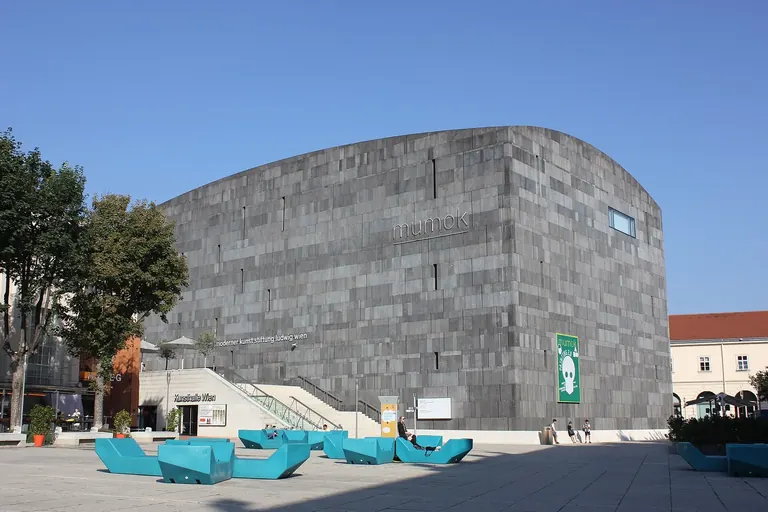
mumok – Museum moderner Kunst Stiftung Ludwig Wien
 i
Terminal Piece
mumok – Museum moderner Kunst Stiftung Ludwig Wien
 i
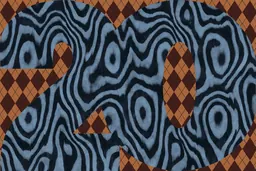
20 años de VIENNA DESIGN WEEK: una ciudad llena de carteles (20 Years of VIENNA DESIGN WEEK: A City Full of Posters)
MAK – Museum of Applied Arts
Cerca
Créditos de las imágenes
9
- Good Collecting – Bad Collecting. 150 Years of the Natural History Museum ViennaNHM Wien
- Tolia Astakhishvili: La figura del niño (Tolia Astakhishvili: Figure of the Child)mumok – Museum moderner Kunst Stiftung Ludwig Wien
- Terminal Piecemumok – Museum moderner Kunst Stiftung Ludwig Wien
- 20 años de VIENNA DESIGN WEEK: una ciudad llena de carteles (20 Years of VIENNA DESIGN WEEK: A City Full of Posters)© Graphic Design: SIRENE Studio
- Natural History Museum Vienna (Naturhistorisches Museum Wien)Stb1er (Dario Premm), Wikimedia Commons, CC BY-SA 4.0
- Kunsthistorisches Museum WienManfred Werner (Tsui), Wikimedia Commons, CC BY-SA 3.0
- Architekturzentrum Wien (Az W)Spock1801 / Wikimedia Commons, CC BY-SA 4.0
- Kunsthalle WienStephan Wyckoff / PresseKunsthalleWien, via Wikimedia Commons, CC BY-SA 4.0
- mumok – Museum moderner Kunst Stiftung Ludwig WienAndrzej Otrębski / Wikimedia Commons, CC BY-SA 4.0