 i
The Metropolitan Museum of Art · 上东区
City of Memory: Nanjing in the Seventeenth Century
Explores how artists lived and worked in Nanjing in the decades before and after the fall of the Ming dynasty.
纽约更多展览
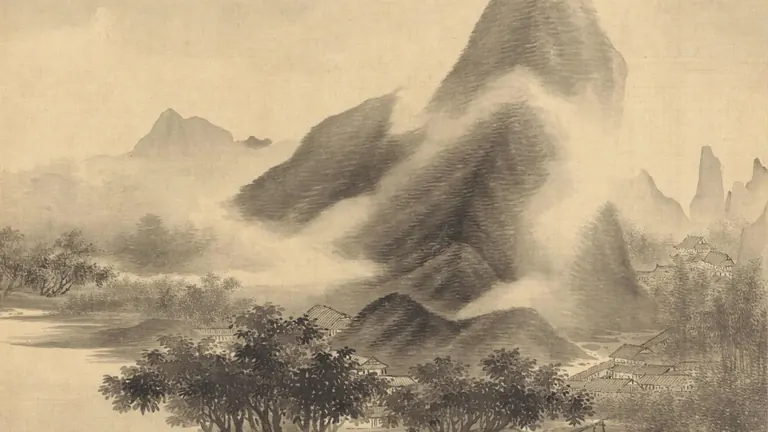
A cliff rises on the far bank of a river, broken by one rectangle of untouched paper. That blank is the sail of a passing boat, in Gong Xian's Sailboat Laden with Wine, a picture the Met calls daringly spare and nearly abstract. Gong was the leading Nanjing painter of the 1660s to 1680s, and a Ming loyalist.
The show covers the decades either side of 1644, when the Ming dynasty was violently overthrown and the Qing took its place. About 100 objects, mostly from the Met's own collection, fill Galleries 210 to 216: landscape albums and scrolls, calligraphy, porcelain, scholar's rocks and glazed tiles from the city's Porcelain Pagoda. You keep running into the same man, the collector Zhou Lianggong, as the person albums were painted for and as a calligrapher himself.
No critic has reviewed it yet. It is mostly albums, scrolls and calligraphy, so it suits people who already like Chinese ink painting. It is included with Met admission and runs until January 3, 2027.
看点
Gong Xian's blank sail
Look for the tree filling the foreground and, across the river, a cliff interrupted only by a rectangle of bare paper: the lone sail of a passing boat.
Hu Yukun's twelve views of Nanjing
An album of city sites, from the Qinhuai pleasure district to the first Ming emperor's tomb, painted with a tattered brush so each scene looks seen through mist.
Tiles from the Porcelain Pagoda
Glazed tiles, one with an elephant on a door frame and one with an apsara, from the nine-storey tower the Yongle emperor commissioned.
Wintry Mountains between two columns of verse
Gong Xian's landscape hangs flanked by a calligraphy couplet by Zhou Lianggong, and both are about escaping to a retreat untouched by the world.
Wang Gai's Reminiscence of Jinling
A 1686 handscroll named for Nanjing that appears to show a dramatic flood, a scene the Met says has never been identified.
适合
- 深度爱好者
- 雨天
可跳过,如果
You want variety over ink: most of the roughly 100 objects are scrolls, albums and calligraphy.
The Metropolitan Museum of Art的其他展览
附近正在展出
附近
图片来源
9
- City of Memory: Nanjing in the Seventeenth CenturyCourtesy of The Metropolitan Museum of Art
- 聚焦馆藏:现代欧洲艺术思潮 (Collection in Focus: Modern European Currents)Photo: Ariel Ione Williams, Solomon R. Guggenheim Museum, New York
- Guggenheim Pop:1960年至今 (Guggenheim Pop: 1960 to Now)Courtesy of Solomon R. Guggenheim Museum
- Taryn Simon | Father Country I Do Love YouCourtesy of Solomon R. Guggenheim Museum
- The Metropolitan Museum of ArtHugo Schneider, via Wikimedia Commons, CC BY-SA 2.0
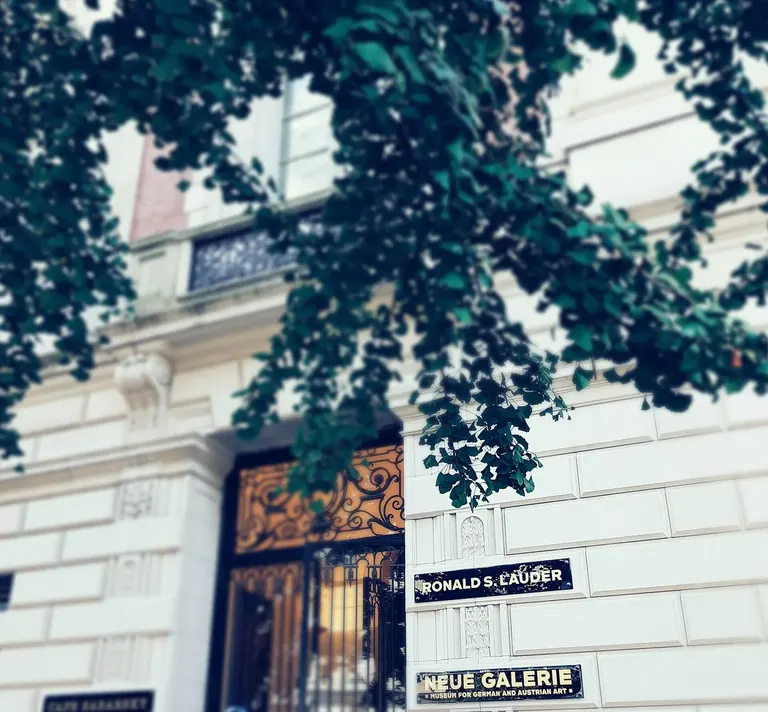
- Neue Galerie New YorkFrancesca.hyanna19 via Wikimedia Commons, CC BY-SA 4.0
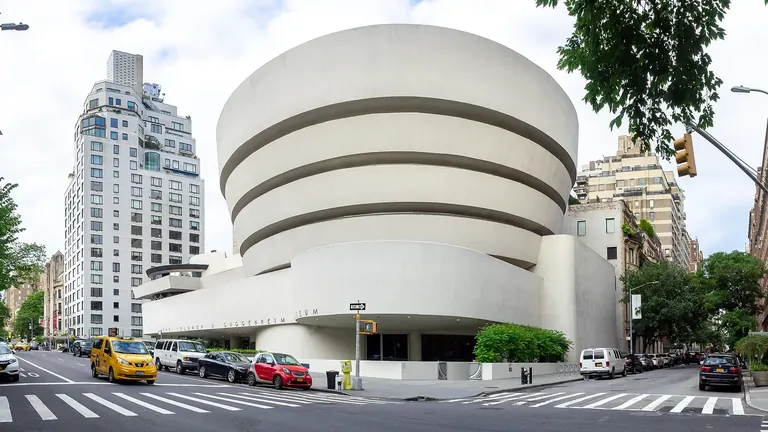
- Solomon R. Guggenheim MuseumAjay Suresh, via Wikimedia Commons, CC BY 2.0
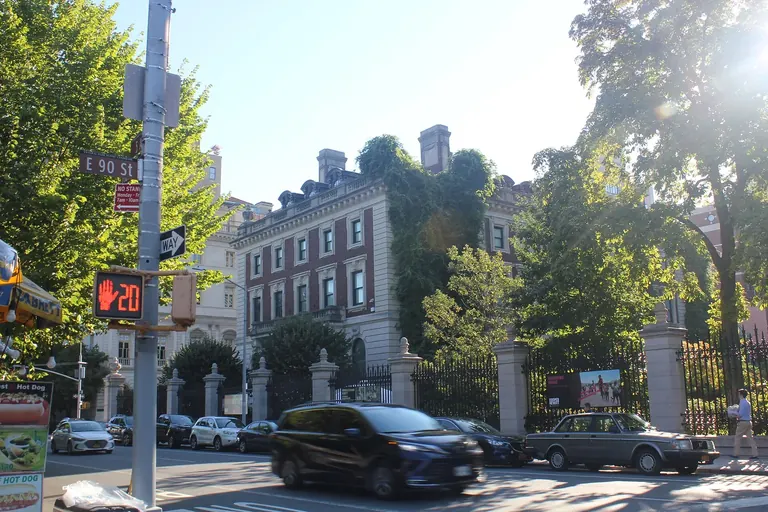
- Cooper Hewitt, Smithsonian Design MuseumEpicgenius, Wikimedia Commons, CC BY-SA 4.0
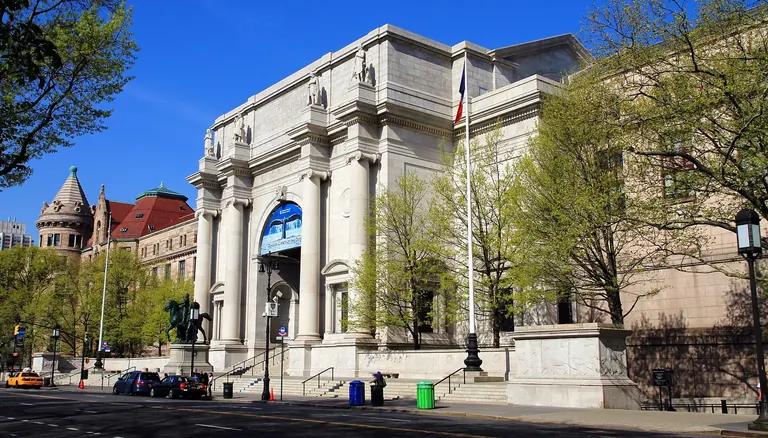
- American Museum of Natural HistoryIngfbruno, Wikimedia Commons, CC BY-SA 3.0