 i
The Metropolitan Museum of ArtUpper East Side
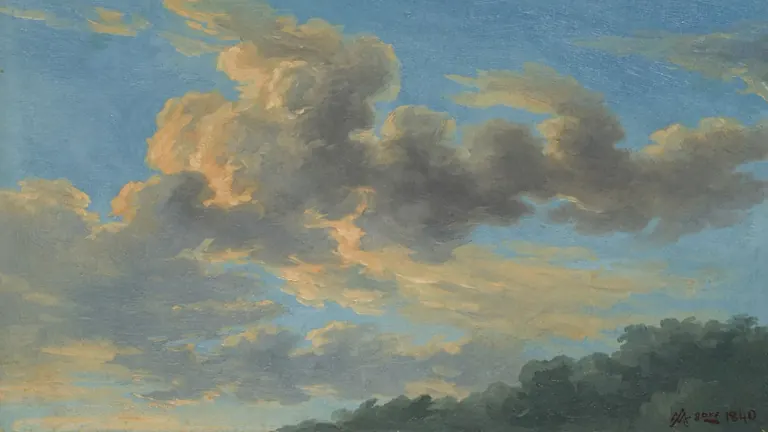
Chasing Clouds
Traces how artists represented clouds and sky from early 19th-century plein-air oil sketches through 1920s photography, including Alfred Stieglitz's Equivalents cloud studies.
Więcej: Nowy Jork
Near the start sits a small blue-tinted mirror that only works with your back to the view. You held a Claude mirror over your shoulder, and the landscape behind you came back smaller and darker, already a picture. Artists used them, and so did tourists.
From there it is two centuries of people looking up, all from The Met's own collection. Constable's "skying" on Hampstead Heath meets 1850s photographs whose chemistry couldn't register a blue sky, so photographers painted clouds onto negatives or, like Gustave Le Gray, printed a separate sky over the sea. "You might find the same clouds over a different ocean completely," curator Stephen Pinson told designboom. It ends with Alfred Stieglitz's Equivalents: clouds above Lake George with no horizon at all.
It's a single gallery of paintings, drawings and photographs, best for anyone curious about how cameras learned to see. Entry is free with Museum admission, in the Howard Gilman Gallery (Gallery 852) at The Met Fifth Avenue, through February 28, 2027.
Zwróć uwagę na
The Claude mirror
A small, slightly convex blue-tinted mirror held over the shoulder, which shrank the landscape behind you into a darker miniature.
Gustave Le Gray, The Great Wave, Sète (1857)
Sea and sky come from two separately exposed negatives joined in one print; Le Gray kept a library of skies to reuse over different seas.
John Beasley Greene's Egypt photographs
1850s views where chemistry that reacted poorly to blue light broke sea and sky into mottled fields, close to abstraction.
Roger Fenton's cloud studies
The ground sinks into deep shadow so the sky above keeps its detail.
Alfred Stieglitz's Equivalents
Clouds over Lake George photographed with no horizon or landscape, which Stieglitz meant as pictures of his own emotional state.
Dla kogo
- Miejscowi wyjadacze
- Pasjonaci
- Deszczowe dni
The Metropolitan Museum of Art: inne wystawy
Teraz w pobliżu

W pobliżu
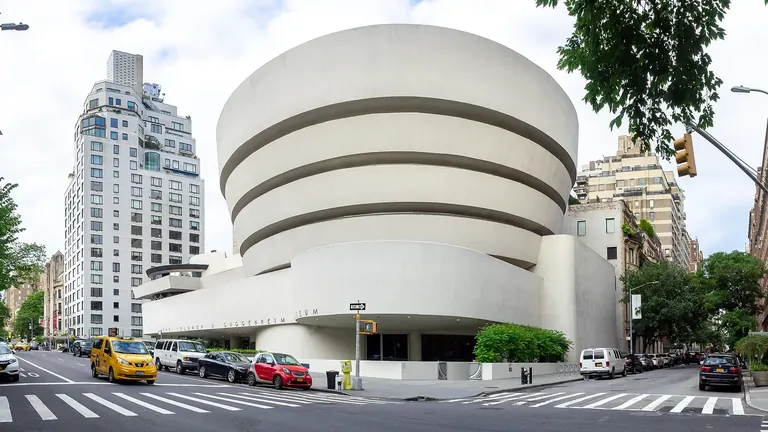
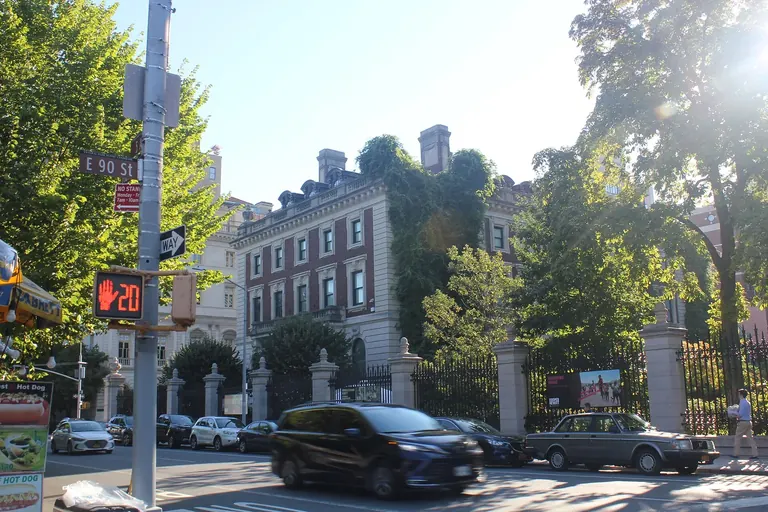
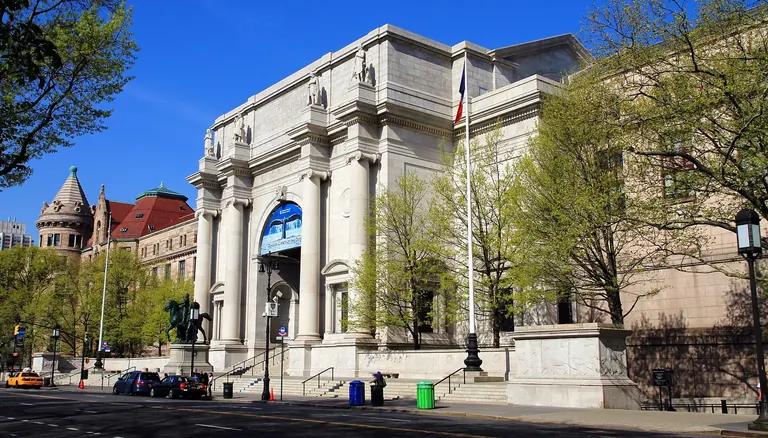
Źródła zdjęć
9
- Chasing CloudsCourtesy of The Metropolitan Museum of Art
- Kolekcja pod lupą: nowoczesne prądy europejskie (Collection in Focus: Modern European Currents)Photo: Ariel Ione Williams, Solomon R. Guggenheim Museum, New York
- Guggenheim Pop: od 1960 do dziś (Guggenheim Pop: 1960 to Now)Courtesy of Solomon R. Guggenheim Museum
- Taryn Simon | Father Country I Do Love YouCourtesy of Solomon R. Guggenheim Museum
- The Metropolitan Museum of ArtHugo Schneider, via Wikimedia Commons, CC BY-SA 2.0
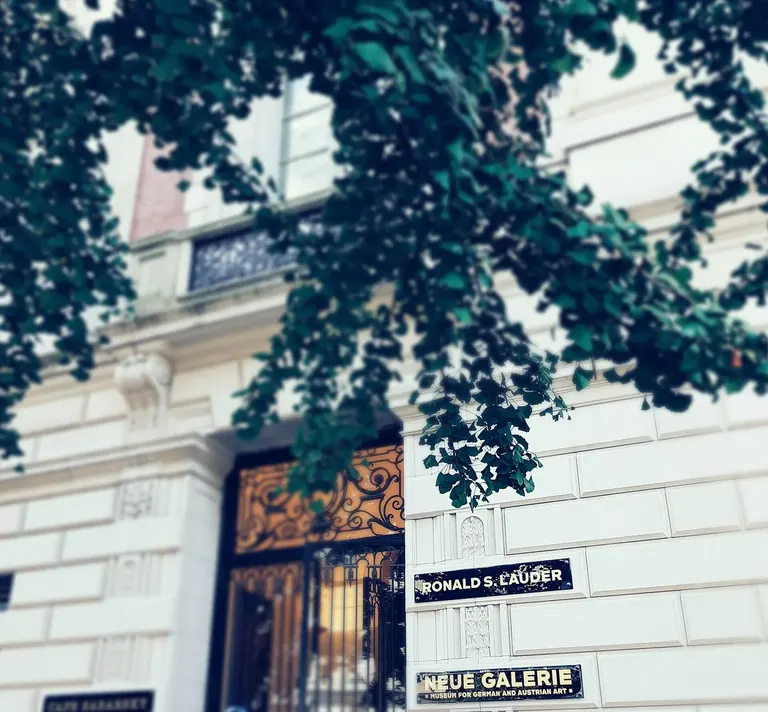
- Neue Galerie New YorkFrancesca.hyanna19 via Wikimedia Commons, CC BY-SA 4.0
- Solomon R. Guggenheim MuseumAjay Suresh, via Wikimedia Commons, CC BY 2.0
- Cooper Hewitt, Smithsonian Design MuseumEpicgenius, Wikimedia Commons, CC BY-SA 4.0
- American Museum of Natural HistoryIngfbruno, Wikimedia Commons, CC BY-SA 3.0