 i
Osaka City Museum of Fine ArtsTennoji
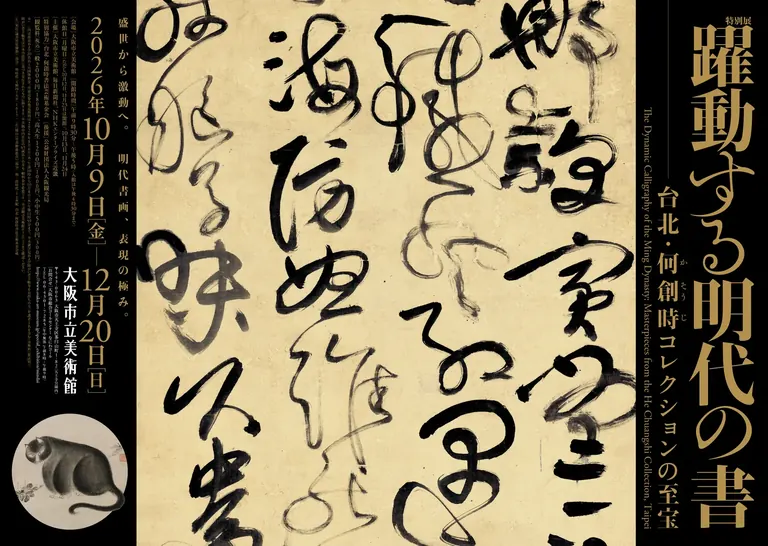
Dynamic Calligraphy of the Ming Dynasty: Treasures from the Ho Chuang-shih Collection, Taipei
Ming dynasty calligraphy from the Taipei collection of Ho Chuang-shih, shown in a special exhibition. No display changes during the run.
À voir aussi à Osaka
Somewhere among 82 works of brushwork is a black cat. In 1617 Song Jue wrote a eulogy in clerical script for Heier, a cat remembered for its devotion to its owner, and drew the cat too. The museum liked it enough to turn it into the show's sticker.
Everything comes from the Ho Chuang-shih foundation in Taipei, which holds over 2,500 Ming and Qing works, and 72 of these 82 are shown in Japan for the first time. You walk from mid-Ming masters to the end of the dynasty: Wang Yangming's cursive poem of 1519, Dong Qichang copying Wang Xizhi in 1607, and Fu Shan's cursive "written wildly after drinking", the 17th-century version of your messages after the third highball.
It's for anyone who studies calligraphy, and Edo Japan copied these hands too. Tickets are 2,000 yen with no booking, include the collection galleries that day, and nothing rotates. On 21 and 22 November, Mainichi calligraphers write live in the second-floor south gallery, free with a ticket.
Coup de cœur de la rédaction
Among 82 works of Ming brushwork is Song Jue's 1617 eulogy for Heier, a devoted black cat, drawn beside the text. Fu Shan's cursive, "written wildly after drinking", is here too. All from the Ho Chuang-shih collection in Taipei.
À ne pas manquer
Song Jue's black cat Heier
Look for the 1617 clerical-script eulogy with a drawing of Heier, the black cat that stayed devoted to its master.
Idéal pour
- Passionnés
- Proches de passage
- Jours de pluie
Avec des enfants
Preschoolers are free and elementary and junior high pupils pay 500 yen.
Aussi à Osaka City Museum of Fine Arts
En ce moment à proximité
À proximité
Crédits photo
6
- Dynamic Calligraphy of the Ming Dynasty: Treasures from the Ho Chuang-shih Collection, TaipeiCourtesy of Osaka City Museum of Fine Arts
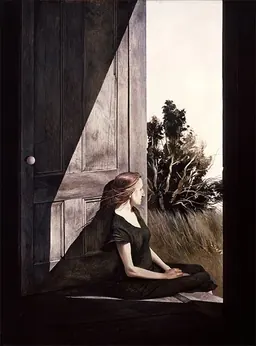
- Andrew WyethChristina Olson, 1947, Myron Kunin Collection, Minneapolis. Photo: Curtis Galleries, Inc. © 2026 Wyeth Foundation for American Art / ARS, New York / JASPAR, Tokyo
- New Discoveries! Osaka's Archaeology 2026Courtesy of Osaka Museum of History
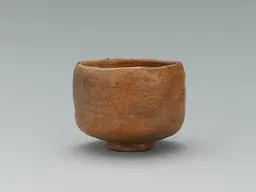
- Nomu: Tea, Sake and Smoking VesselsCourtesy of Itsuo Art Museum
- Osaka City Museum of Fine Arts663highland / Wikimedia Commons, CC BY 2.5
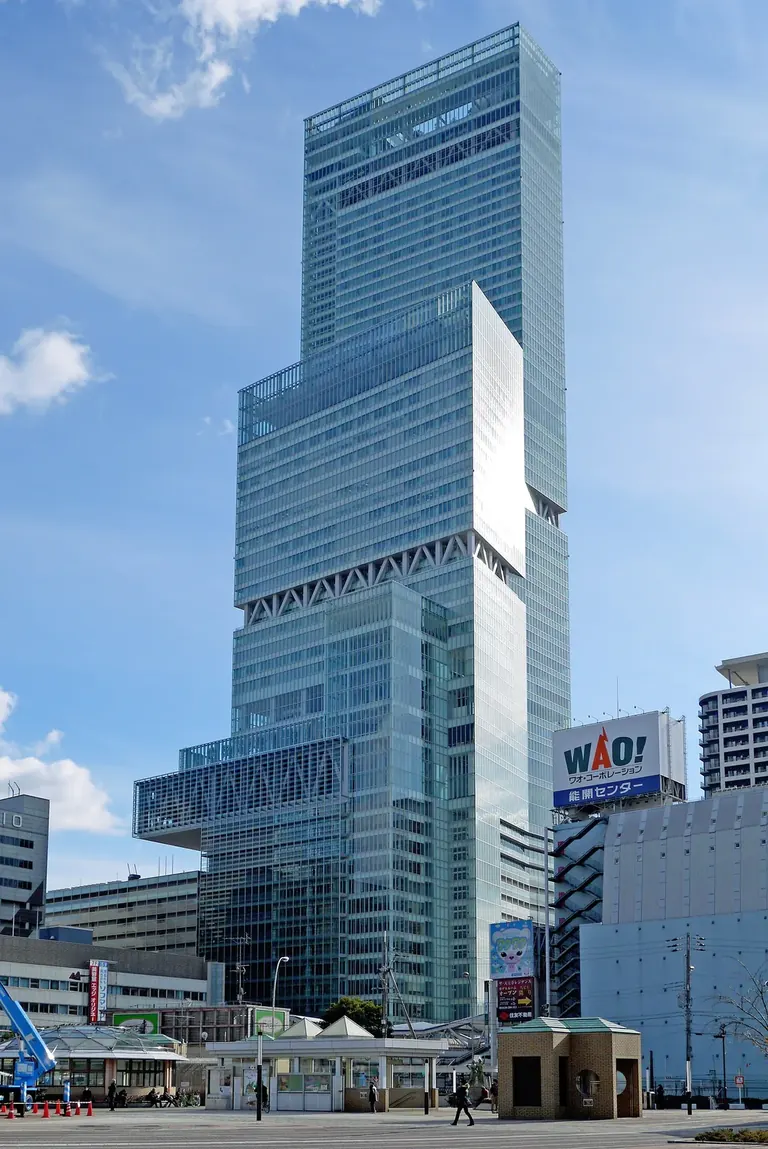
- Abeno Harukas Art MuseumOilstreet / Wikimedia Commons, CC BY 2.5
Votre image ? Demandez-nous de la corriger ou de la retirer.