Antikenmuseum Basel und Sammlung LudwigSt. Alban
People on the Move! For thousands of years
Why people migrated in antiquity and how societies met the challenges, linked to today's debates on integration, identity and belonging.
À voir aussi à Bâle
The floor is laid out like a beach, and projected waves wash over your feet. On a big screen, ships from Greek vases turn into their modern twins: a sailing ship into a container freighter, Odysseus's boat into a yacht, then into a refugee boat.
The objects sit in three wooden, boat-shaped cases and two further stations, with two AI-generated passengers commenting along the way. They cover why people left (war, famine, slavery, climate), how they were received, and how the law answered, up to Caracalla's edict of 212 AD making the empire's free men Roman citizens. A quiet room projects lines by Seneca and Epictetus onto the walls. Reviewing it for bz Basel, Hannes Nüsseler found antiquity and today's news almost interchangeable.
Admission is CHF 18 and includes the catalogue and an audio guide in English, French and German that plays on your own phone, so bring headphones. Entry is free on Thursday and Friday from 5pm, and the museum stays open until 10pm.
À ne pas manquer
The Sirens flask
Look for a small Corinthian oil flask from 590 BC carrying the oldest known picture of the Sirens from the Odyssey.
Ramesses II and his captive
An Egyptian stele shows the pharaoh presenting a shackled Asiatic man to the god Atum, about 3,200 years ago.
The farewell plate
On an Athenian plate from about 520 BC, a woman says goodbye to a man setting out on a journey.
Annauso's gravestone
A Roman cavalryman's funerary stele, lent by Mainz, names him as Annauso, son of Sedavo, from the Germanic Baetasii tribe.
Ships and dolphins
An Athenian wine-mixing vessel from about 510 BC is painted with ships and dolphins, the boat imagery the whole show builds on.
Idéal pour
- Culture à petit prix
- Visites en soirée
- En solo
- Passionnés
Avec des enfants
Children under 13 get in free and under-20s pay CHF 5. The museum's workshop on the show is aimed at school classes from the fourth primary year.
Aussi à Antikenmuseum Basel und Sammlung Ludwig
En ce moment à proximité
À proximité
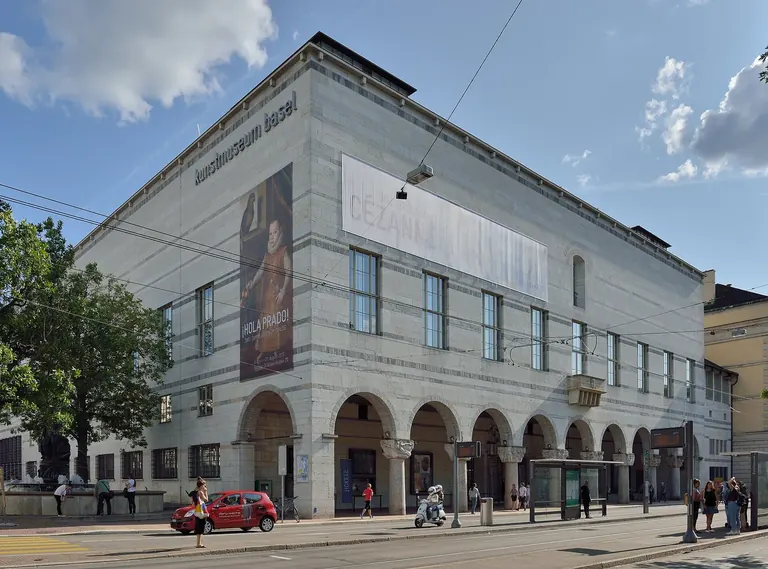
Crédits photo
8
- Boundless Printmaking: The Schweizerische Graphische GesellschaftCourtesy of Kunstmuseum Basel (Hauptbau and Neubau)
- New ConstellationsCourtesy of Kunstmuseum Basel (Hauptbau and Neubau)
- Friendship, Collecting, Connoisseurship: Karl and Marianne Im Obersteg-BuessCourtesy of Kunstmuseum Basel (Hauptbau and Neubau)
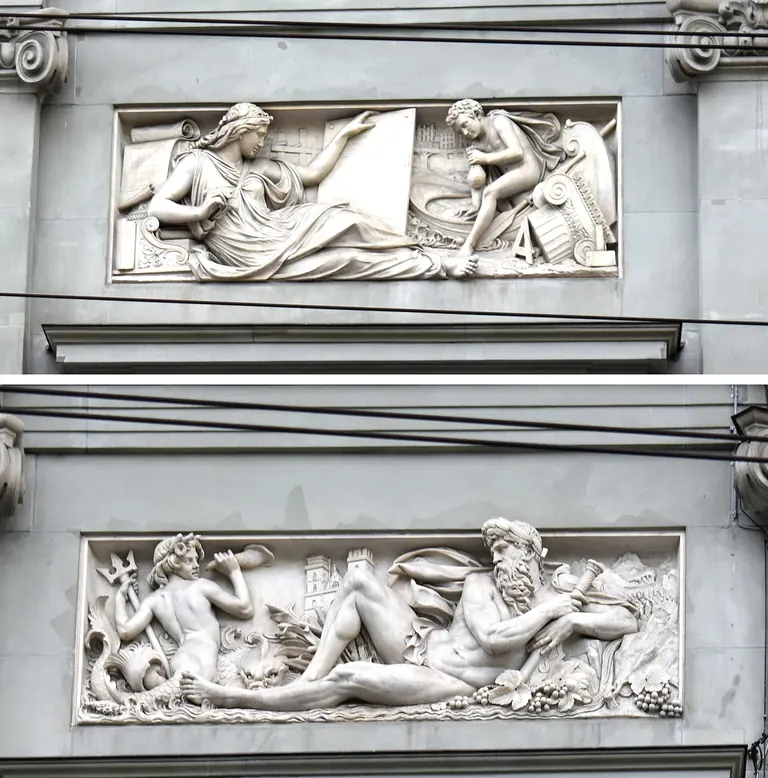
- Antikenmuseum Basel und Sammlung LudwigBasmus / Wikimedia Commons, CC BY-SA 3.0
- Kunstmuseum Basel (Hauptbau and Neubau)Wladyslaw Sojka / Wikimedia Commons
- Kunsthalle BaselCharles-François Marie Iguel (1827[1]-1897) / Wikimedia Commons, Domaine public
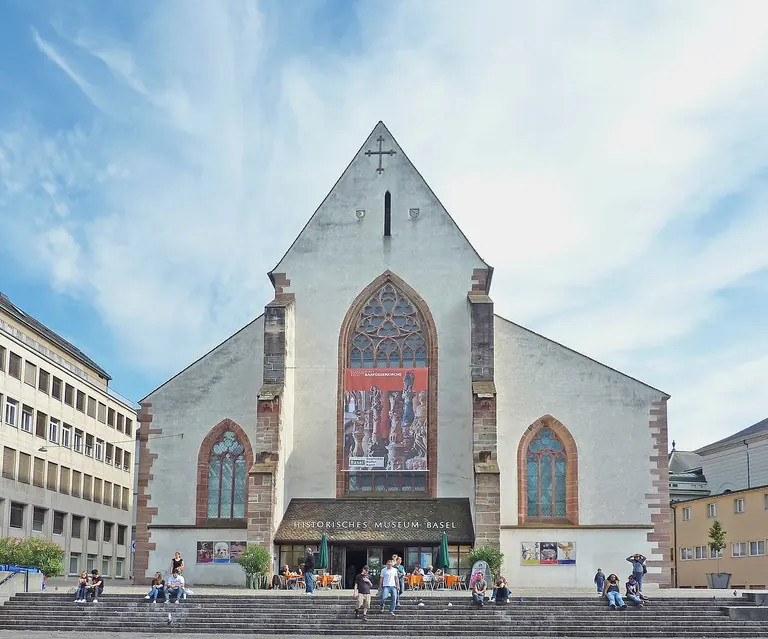
- Historisches Museum Basel (Barfüsserkirche)James Steakley / Wikimedia Commons, CC BY-SA 3.0
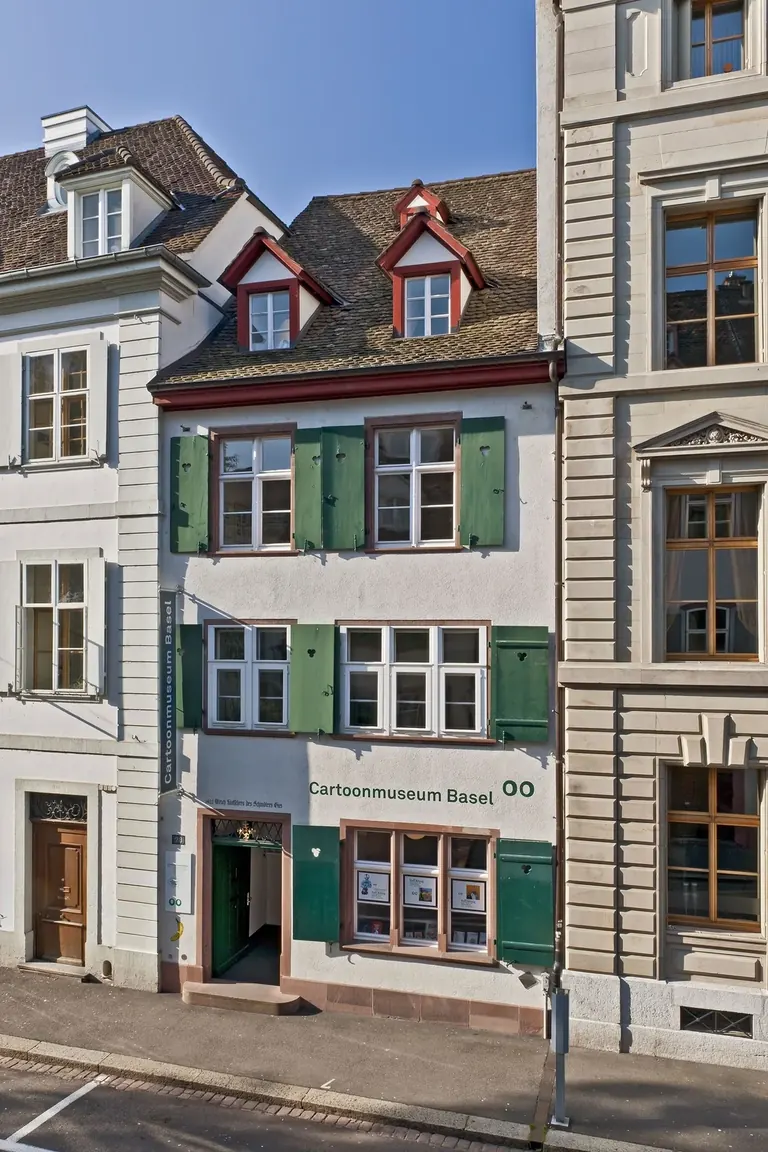
- Cartoonmuseum BaselCartoonmuseum Basel / Wikimedia Commons, CC BY-SA 4.0
Votre image ? Demandez-nous de la corriger ou de la retirer.