Catedral de MallorcaCasc Antic
Gaudí a la Seu de Mallorca. Litúrgia, Art i Modernitat
Exhibition on Gaudí's liturgical reform of the cathedral, spread across the nave, the cloister and the Museum of Sacred Art, part of the Gaudí Year 2026.
Περισσότερα: Πάλμα ντε Μαγιόρκα
Gaudí designed a staircase in 1913 for displaying the Blessed Sacrament, in polychrome wood and wrought iron, and it has just been restored. A mirror now sits beneath it, so you crouch and see the underside nobody was meant to look at.
The show tells how Gaudí remade La Seu between 1904 and 1915: the choir pulled out of the central nave, altarpieces taken down, electric light put in, stained glass changed to let in more daylight. It runs in three places. In the cathedral itself you stand in front of the reform along with pieces he designed that are not usually on show. The cloister carries the story on panels, with photographs, plans and documents, including the public argument the work started. The Museu d'Art Sacre has the smaller set: liturgical furniture, wrought iron, window grilles and a bishop's insignia.
It is included in the cathedral ticket (€11), within normal opening hours, until 18 June 2027.
Επιλογή της σύνταξης
Gaudí's 1913 staircase for the Blessed Sacrament has been restored, with a mirror set beneath it so you can see the underside. The show follows his 1904 to 1915 reform through the nave, the cloister and the sacred art museum.
Μην χάσετε
The 1913 staircase
Look for the restored stair of painted wood and wrought iron, with a mirror underneath that shows details hidden from the front.
The original wooden models
Two models of the Main Chapel and the Chapel of the Holy Trinity, carrying Gaudí's own drawings and notes.
The folding altar ladder
A small ladder of wood and wrought iron, covered in green felt, made for working at the altar.
Bishop Campins's pieces
In the Museu d'Art Sacre, the crosier, canopied cross and tintinnabulum tied to the bishop who commissioned Gaudí.
Ιδανικό για
- Πρώτη επίσκεψη
- Εμβάθυνση
- Επισκέπτες από έξω
Με παιδιά
The cathedral runs storytelling sessions for families and workshops alongside the show.
Επίσης στο Catedral de Mallorca
Τώρα, εδώ κοντά
Εδώ κοντά
Πηγές εικόνων
7
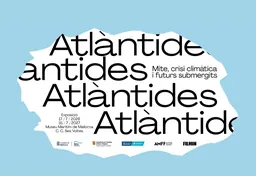
- Atlàntides: mite, crisi climàtica i futurs submergitsCourtesy of Museu Marítim de Mallorca
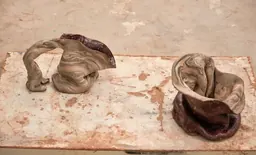
- Rebeca Morey: AnatoformesCourtesy of Casal Solleric
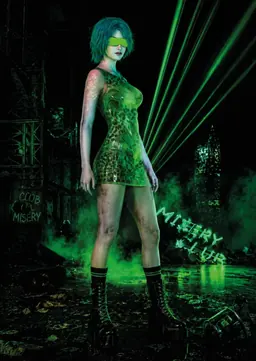
- Bel Fullana: Club Miseria, The Last BeatCourtesy of Casal Solleric
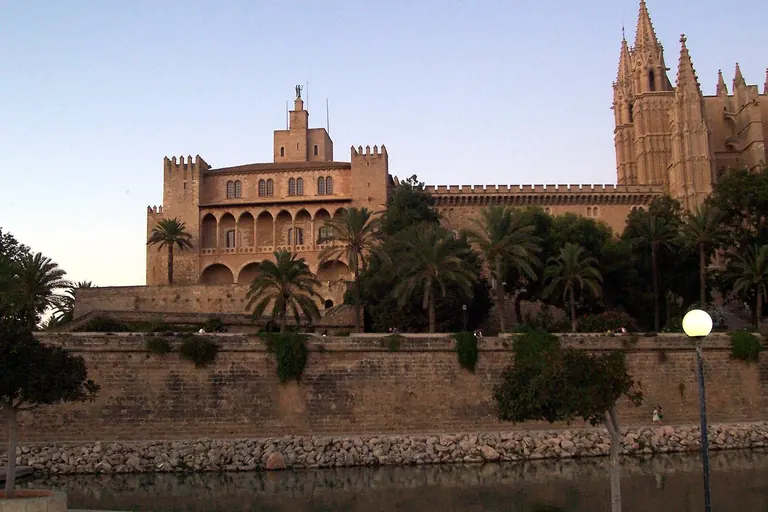
- Catedral de MallorcaThomas Wolf / Wikimedia Commons, CC BY-SA 3.0 DE
- Palau Reial de l'AlmudainaAntoni I. Alomar Canyelles / Wikimedia Commons, CC BY-SA 3.0
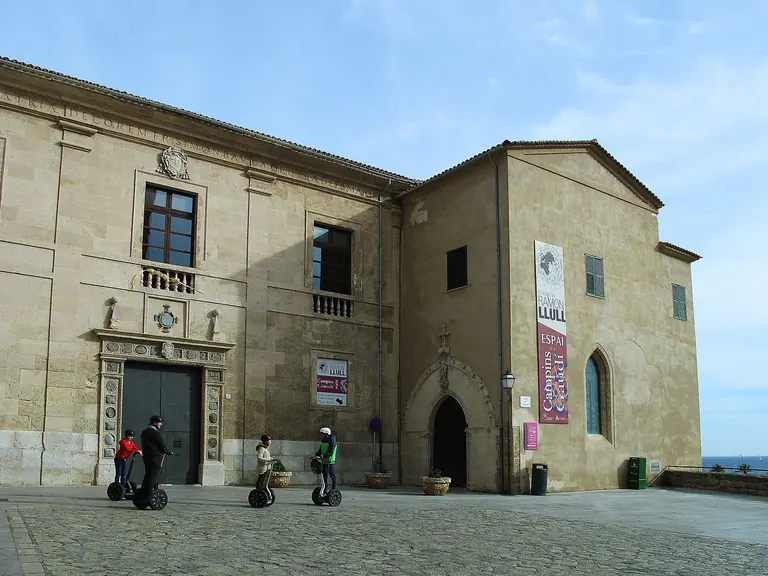
- Museu Diocesà de MallorcaEnric / Wikimedia Commons, CC BY-SA 4.0
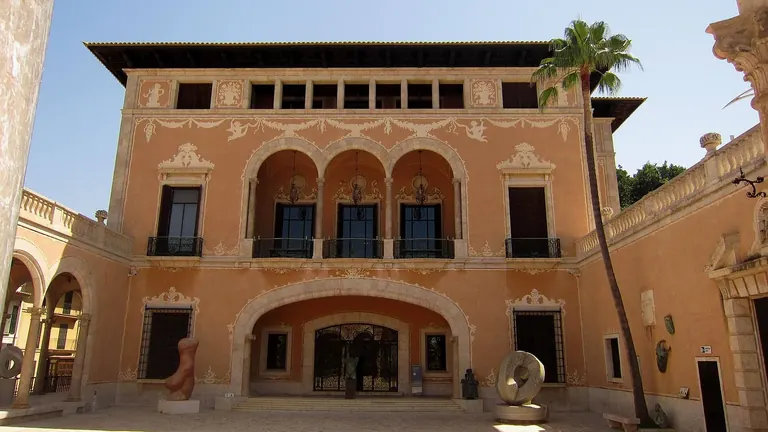
- Palau March MuseuMartin Furtschegger / Wikimedia Commons, CC BY 3.0
Δική σας εικόνα; Ζητήστε μας να τη διορθώσουμε ή να την αφαιρέσουμε.