 i
Art Institute of Chicago · Grant Park / Loop
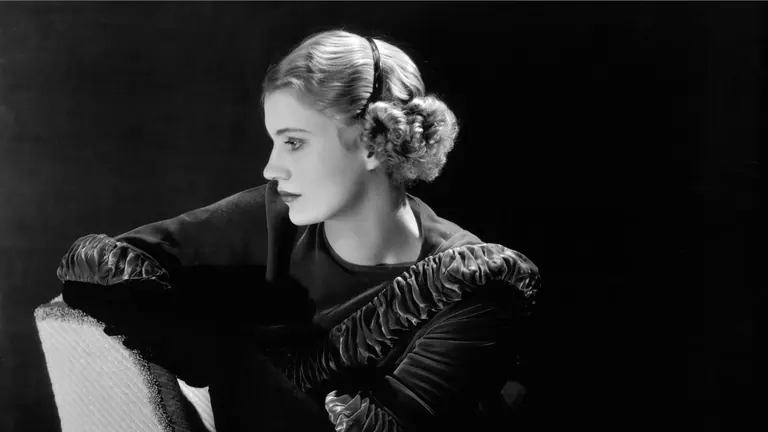
Lee Miller: Fearless
The first comprehensive survey of Lee Miller's photographs in more than 25 years, gathering the major episodes of her singular career from Surrealist portraiture to wartime reportage.
Near the end, a wall label quotes the telegram Lee Miller sent her Vogue editor in London in 1945: "I IMPLORE YOU TO BELIEVE THAT THIS IS TRUE." Some people were already calling the camp reports a hoax. At Buchenwald and Dachau she often stood 10 feet or less from the people she photographed.
You reach that room through nearly 150 of her photographs in Galleries 1 to 4. It opens on Miller as a Vogue model shot by Steichen, Hoyningen-Huene and Beaton, then her Paris years with Man Ray, when they worked out solarization together, then Cairo and portraits of friends from Chaplin to Picasso. Two rooms of war reporting follow her from France through Hungary to Romania, and at the end an actor reads her dispatches aloud.
Newcity's reviewer found the lower ceilings here, after Paris, make it "more intimate, in a way, as if you're let in on a secret." It is free with museum admission, Thursdays run to 8pm, and it closes on 7 December.
Μην χάσετε
The condom stretched over a hand
From her Paris years around 1930, a stark, high-contrast photograph of a condom pulled over a hand, the kind of daring sexual subject that drew both Surrealists and fashion editors to her.
St. Malo through a window
In the war rooms, her picture of the August 1944 recapture of St. Malo frames Allied bombs over the harbour through a window, a picture within a picture.
Two children in a garden bomb shelter
Two German children play in their family's garden bomb shelter; their parents owned a factory run on slave labour.
The last room's dispatches
Quotations from her Vogue drafts, private letters and published articles from Buchenwald, Dachau and Hitler's homes in Munich and Bavaria line the room while a recorded actor reads her words.
Ιδανικό για
- Βραδινή έξοδος
- Μόνοι σας
- Εμβάθυνση
Παραλείψτε το αν
You're bringing young children: the last room is Miller's photographs from Buchenwald and Dachau.
Με παιδιά
Under-14s get in free, but the final room shows Miller's photographs from the Buchenwald and Dachau camps, which F Newsmagazine's reviewer found unsettling and brutal.
Επίσης στο Art Institute of Chicago
Τώρα, εδώ κοντά
 i
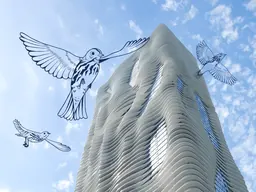
Flyway City: Αρχιτεκτονική για ένα οικοσύστημα που ευημερεί (Flyway City: Architecture for a Flourishing Ecosystem)
Chicago Architecture Center
 i
Chicago's Living Habitat
Chicago Architecture Center
 i
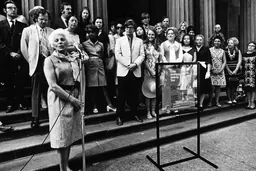
Ρεύματα: 60 χρόνια του Chicago Architecture Center (Currents: 60 Years of the Chicago Architecture Center)
Chicago Architecture Center
Εδώ κοντά
Πηγές εικόνων
9
- Lee Miller: FearlessCourtesy of Art Institute of Chicago
- Flyway City: Αρχιτεκτονική για ένα οικοσύστημα που ευημερεί (Flyway City: Architecture for a Flourishing Ecosystem)Photo by Steve Hall, courtesy of Studio Gang.
- Chicago's Living HabitatPhoto by Madison Smith
- Ρεύματα: 60 χρόνια του Chicago Architecture Center (Currents: 60 Years of the Chicago Architecture Center)Courtesy of Chicago Architecture Center
- Art Institute of ChicagoDiego Delso, via Wikimedia Commons, CC BY-SA 3.0
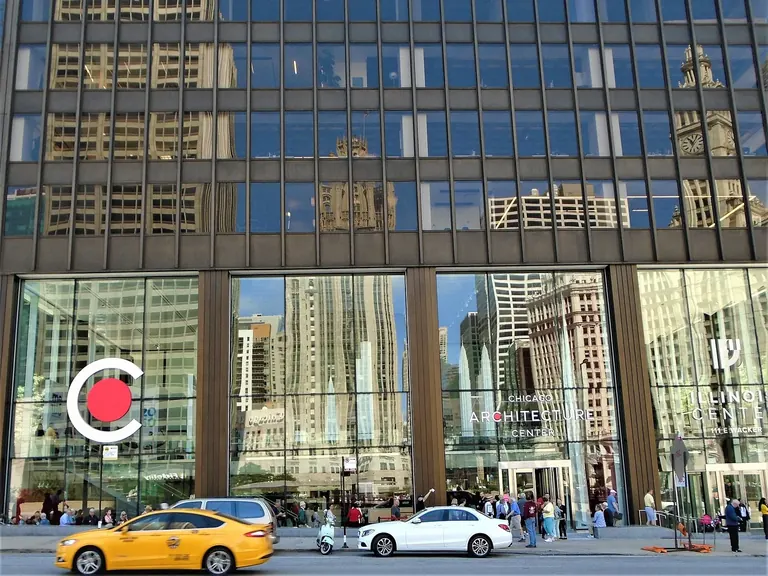
- Chicago Architecture CenterAlanscottwalker / Wikimedia Commons, CC BY-SA 4.0
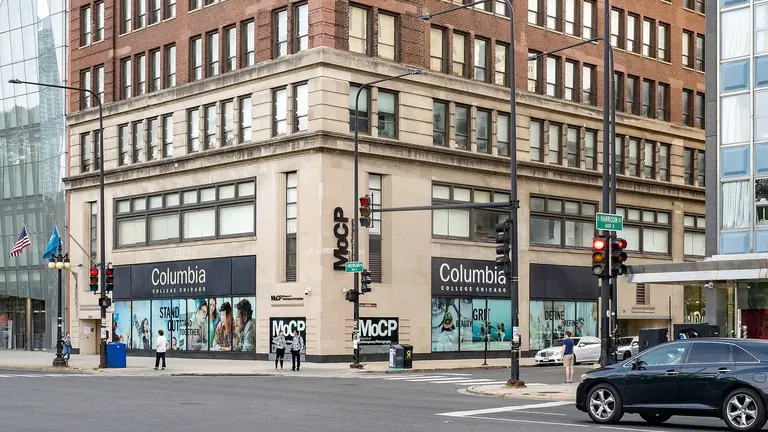
- Museum of Contemporary PhotographyAjay Suresh via Wikimedia Commons, CC BY 2.0
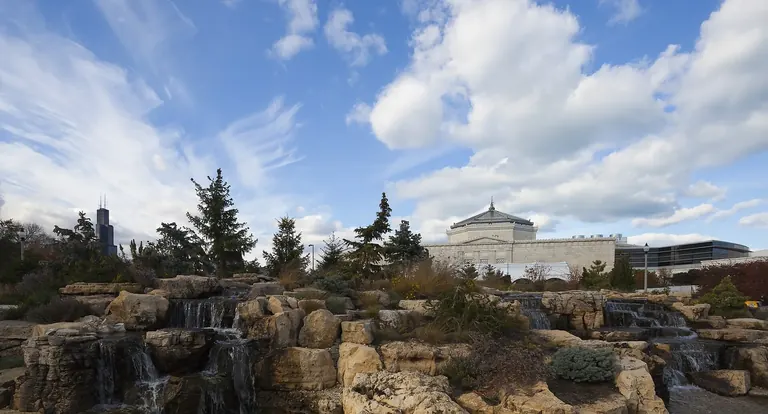
- Shedd AquariumDiego Delso, via Wikimedia Commons, CC BY-SA 3.0
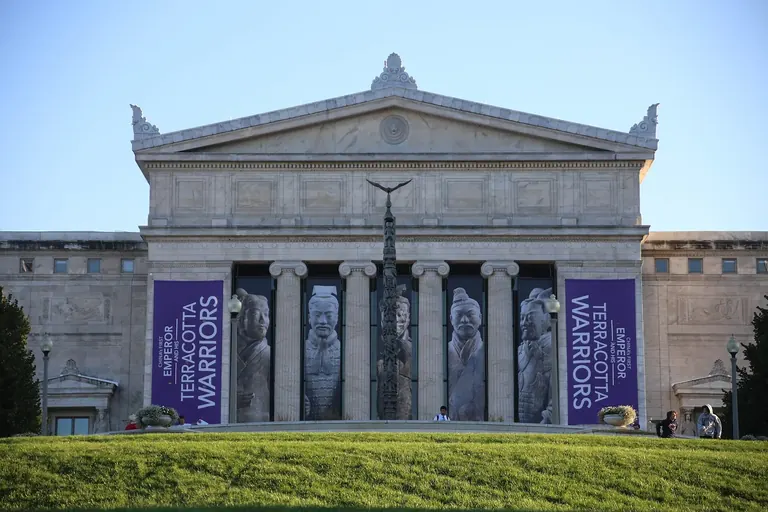
- Field MuseumPaul Sableman via Wikimedia Commons, CC BY 2.0
Δική σας εικόνα; Ζητήστε μας να τη διορθώσουμε ή να την αφαιρέσουμε.