 i
Royal Ontario Museum · Yorkville / Queen's Park
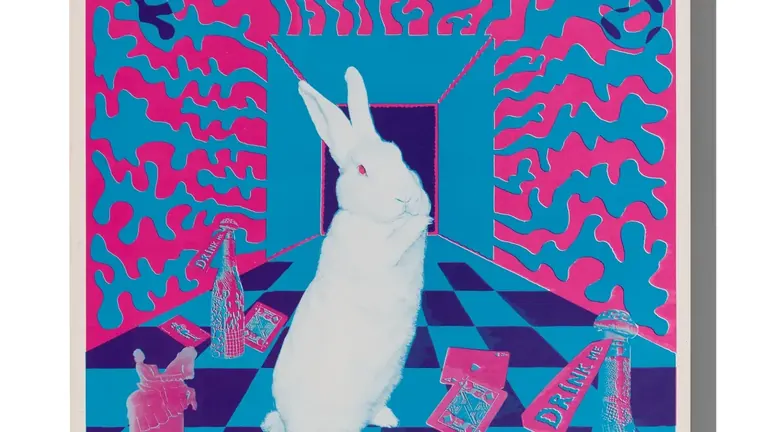
Psychedelics: Art. Culture. Science.
A research-driven look at the cultural, historical and scientific significance of psychedelics through artworks, objects, botanical specimens and interactives.
A 1967 Toronto Star photo of a woman mid-trip, slouched on a couch, has been cut into the accordion folds of a long lenticular panel, so her face never comes into focus. "I'm not sure if I want to be that woman on the couch," the curator, Justin Jennings, told the Globe and Mail.
Ninety objects move in stages: how psilocybin, LSD, mescaline and DMT act on the brain, the fungi and toads that make them, ancient Maya ceramics, Huichol yarn paintings, then 1960s concert posters and a 1970s anti-drug film. Midway you step into a room where a central pillar throws pulsing geometric patterns and intense colour, the show's version of what the drugs do to your eyes.
The Globe's Kate Taylor said the ROM did it "very carefully", warning label included, and Jennings recalls notes from management that it was "too much fun, not fun enough." The ROM recommends it for adults and students. It's on Level 4, general admission plus a $9 surcharge (free for Members).
編輯推介
展出藝術作品、物件、植物標本及互動展品,探討迷幻物質在文化、歷史與科學上的重要意義。
看點
Martin Sharp's Jimi Hendrix poster
Look for the 1967 poster in the 1960s section where Hendrix explodes into bursts of colour.
José Benítez Sánchez's yarn painting
A 1975 Huichol yarn painting that tells the Huichol creation story, with Mother Peyote in it.
The Maya lord and the water deity
A ceramic vessel, 1,200 to 1,400 years old, shows a Maya lord communicating with a deity of the watery deeps.
Huxley's letter to Osmond
A reproduction of Aldous Huxley's 1956 letter to the Saskatchewan psychiatrist Humphry Osmond, the two of them trying out names for the drugs.
Ego Death Trip
Annie MacDonell's 2023 lenticular panel hides a slouched woman's face in the accordion folds of a long horizontal panel.
適合
- 發燒友
- 外地訪客
不適合
You want a party: the Globe found the ROM made this show very carefully, warning label included.
帶小朋友
The ROM recommends this show for adults, students and seniors rather than children.
Royal Ontario Museum其他展覽
附近現正展出


附近
圖片來源
9
- Psychedelics: Art. Culture. Science.Courtesy of Royal Ontario Museum
- Magnus Hara: 日光下 (Magnus Hara: The Light of Day)Courtesy of Gardiner Museum
- 尋覓不完美:Macdonald Collection 日本及受日本風格啟發的陶瓷藏品 (In Search of Imperfection: The Macdonald Collection of Japanese and Japanese-Inspired Ceramics)Courtesy of Gardiner Museum
- 島嶼之後:加勒比海裔加拿大陶藝(After the Island: Caribbean Canadian Ceramics)Courtesy of Gardiner Museum
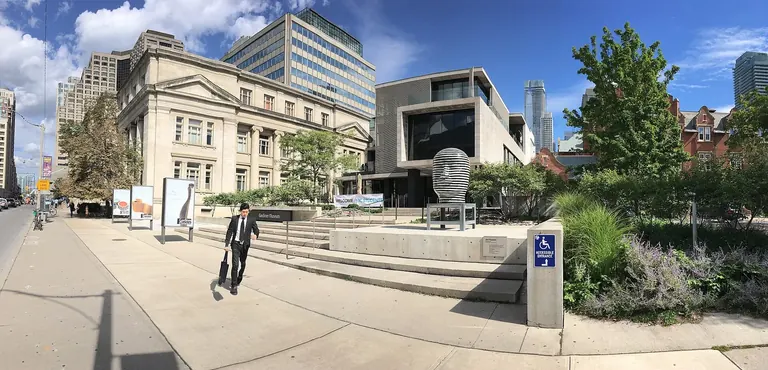
- Royal Ontario MuseumMaksim Sokolov (Maxergon), Wikimedia Commons, CC BY-SA 4.0
- Gardiner Museumremundo via Wikimedia Commons, CC BY-SA 2.0
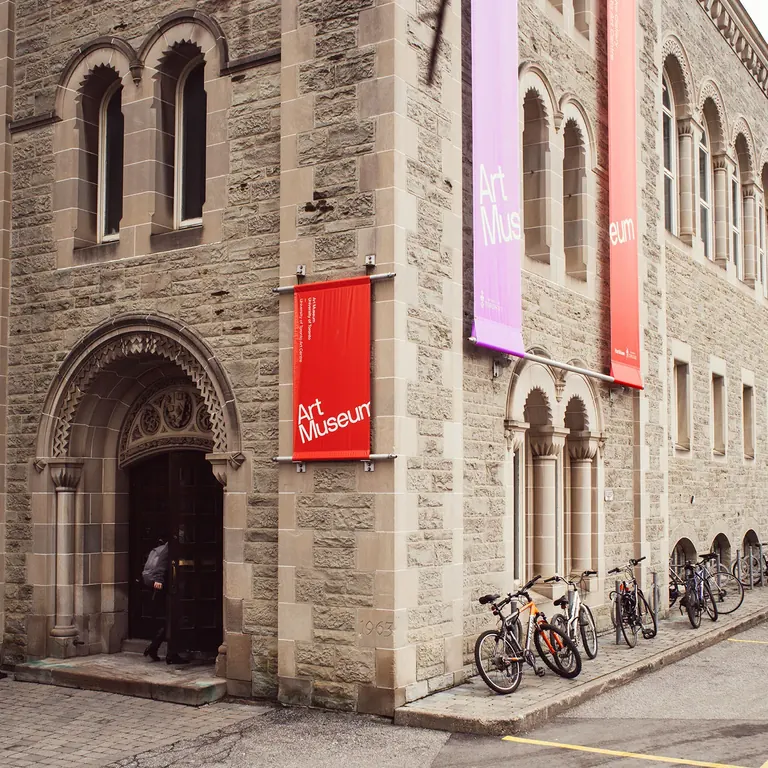
- Art Museum at the University of TorontoUnderline Studio, CC BY-SA 4.0
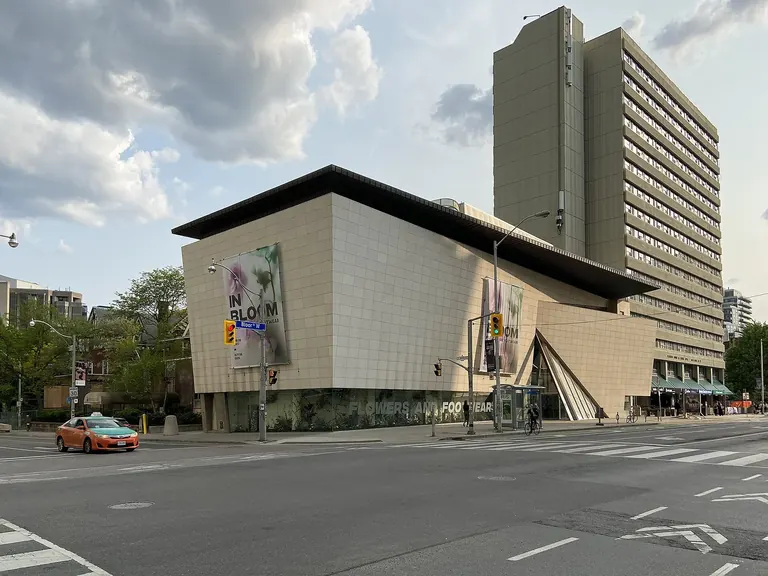
- Bata Shoe MuseumCanmenwalker / Wikimedia Commons, CC BY 4.0
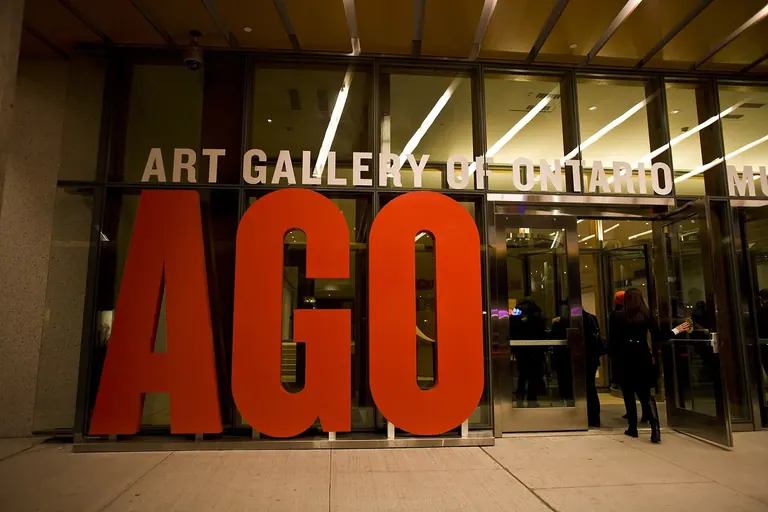
- Art Gallery of OntarioOwen Byrne / Wikimedia Commons, CC BY 2.0