 i
Swedish History Museum (Historiska museet) · Östermalm
Dance Legends – Myths in Motion
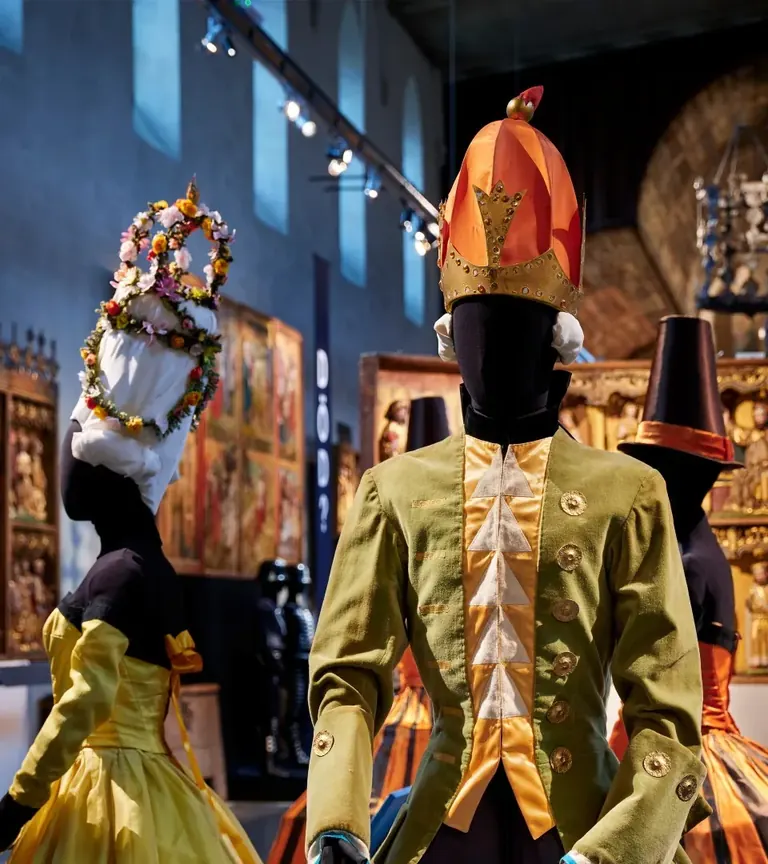
Costumes from three Swedish ballets, including Saint George and the Dragon, shown among the medieval sculptures and altarpieces of the Gothic Hall.
St George's costume stands in front of a 16th-century altarpiece with its own fearsome dragon. Beside it is the dragon from Mats Ek's first ballet (1976), in loud colours borrowed from Chinese martial arts, its tail a fan of bright sticks standing in for a soldier's arrow quiver.
The Gothic Hall's altarpieces and Madonnas now hold three costume islands, one per ballet: Ek's dragon, Jean Börlin's Foolish Virgins under a banner reading DUM (stupid), and Birgit Cullberg's Eurydice Is Dead, which turned Orpheus into a story about a police state. You see the medieval telling and the modern one at once. Dansmuseet is homeless until its new Sundbyberg building opens, so its dragon is on an Östermalm sublet, like half of Stockholm.
Danstidningen called it small but effective, and DN found it striking. Both critics wanted more background: the costumes stand still on mannequins, with no film or photos of them dancing. Entry is the museum ticket (180 SEK, free under 19, half price Wednesdays 17:00 to 20:00).
編輯推介
三齣瑞典芭蕾舞劇的服裝,包括《Saint George and the Dragon》,陳列於哥德式展廳的中世紀雕塑與祭壇畫之間。
看點
The 1976 dragon
Look for Marie-Louise Ekman's dragon for Mats Ek, in clashing bright colours, with a tail of coloured sticks modelled on the arrow quivers of Chinese martial arts.
St George and his altarpiece
The knight's costume is set directly in front of a 1500s altarpiece showing a frightening dragon, so the two Georges face off across four centuries.
The Foolish Virgins under DUM
Einar Nerman's colourful crinolines, painted in the style of Swedish peasant art, come from the Royal Swedish Ballet's 1962 restaging, with the word DUM hanging above them.
Eurydice Is Dead
Eva Ek-Schaeffer's costumes for Birgit Cullberg's 1968 ballet, drawn from Palle Nielsen's pictures, where Orpheus loses Eurydice to a dictator's police rather than the underworld.
適合
- 夜遊
- 逛遍名館的本地人
- 發燒友
不適合
You want to see dance: the costumes stand still on mannequins, with no film or photos.
帶小朋友
Free for under-19s, and strollers are allowed. Separate Sagodans sessions in November have children act out a Norse saga through dance.
Swedish History Museum (Historiska museet)其他展覽
附近現正展出


附近

圖片來源
9
- Dance Legends – Myths in MotionPhoto: Ola Myrin, Swedish History Museum/SHM
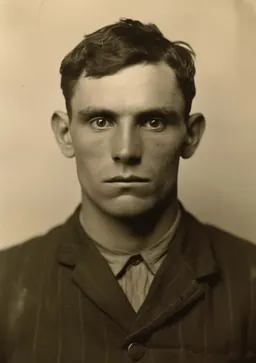
- Rädd eller bereddCourtesy of Army Museum (Armémuseum)
- James Cameron – 挑戰深海 (James Cameron – Challenging the Deep)Lovisa Brämming/The Vasa Museum/SMMTF, CC BY
- True CrimeCourtesy of Spritmuseum
- Swedish History Museum (Historiska museet)FriskoKry / Wikimedia Commons, CC BY-SA 3.0
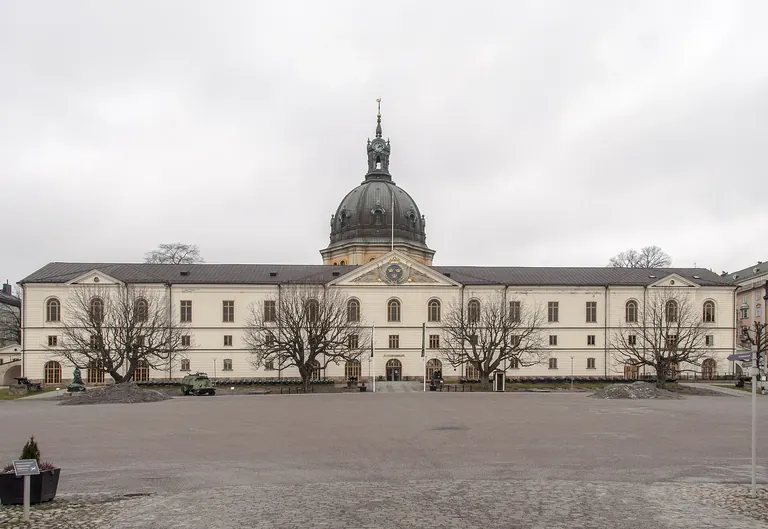
- Army Museum (Armémuseum)I99pema / Wikimedia Commons, CC BY-SA 3.0
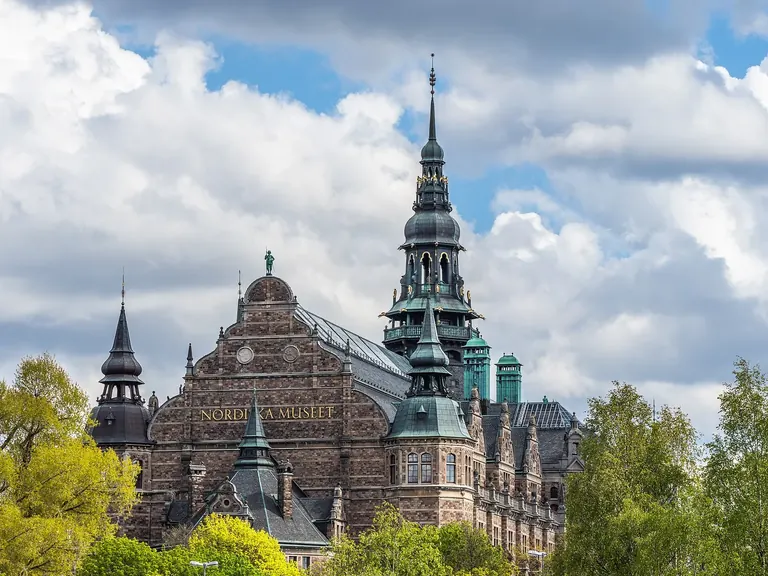
- Nordiska museetBengt Nyman / Wikimedia Commons, CC BY 2.0
- Vasa Museum (Vasamuseet)Holger.Ellgaard / Wikimedia Commons, CC BY-SA 3.0
- SpritmuseumHolger.Ellgaard / Wikimedia Commons, CC BY-SA 3.0