National Constitution Center · Old City / Independence Mall
Pennsylvania's Founding: How a City and a Colony Shaped America's Civic DNA
Free show with Drexel University on how Penn's 1681 "holy experiment" and the planned city of Philadelphia shaped American civic habits, with Atwater Kent artefacts and student-built map and timeline interactives.
Around 1718, Peter Cooper painted Philadelphia from the southeast, and that canvas, lent by the Library Company, is the oldest surviving painting of a North American city. In the same show is Thomas Holme's 1683 plan, which laid the town out as America's first planned community.
Drexel's curators split the story into three sections, from Penn's "Holy Experiment" to the fights over who held authority. You can read the 1681 charter that handed Penn his colony, King Charles II's seal attached, then Franklin's 1556 Magna Carta and a 1696 Quaker protest against slavery. A portrait of Hannah Callowhill Penn is captioned as the first woman to govern Pennsylvania "(and only, so far)". Three centuries on, Harrisburg is still working on the sequel.
It doesn't flatter Penn: it covers his own involvement in slavery, Indigenous displacement and the Walking Purchase. Two interactives built with Drexel students, a Penn timeline and "Pennsylvania Mapped", fill in the context. It's free, and runs until 3 January 2027.
看點
The South East Prospect of the City of Philadelphia
Peter Cooper's oil of the city seen from the southeast, painted around 1718 and the oldest surviving painting of a North American urban center.
The 1681 Pennsylvania Charter
The document that created the province and gave Penn the authority to govern it, still bearing King Charles II's seal.
The Lenape wampum belt
A belt said to have been given to Penn by the Lenape to mark the 1682 Treaty of Shackamaxon.
Holme's Portraiture of the City of Philadelphia
Thomas Holme's 1683 map setting out the street plan of America's first planned community.
Franklin's Magna Carta
A 1556 edition of Magna Carta once owned by Benjamin Franklin, in the same show as William Penn's own 1687 edition.
適合
- 慳家一族
- 發燒友
- 外地訪客
National Constitution Center其他展覽
附近現正展出
附近
圖片來源
8
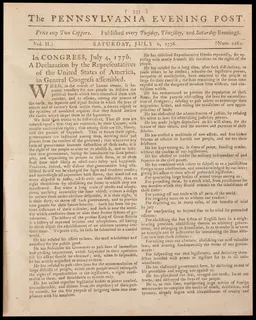
- The Declaration's JourneyPennsylvania Evening Post / Wikimedia Commons, 公有領域
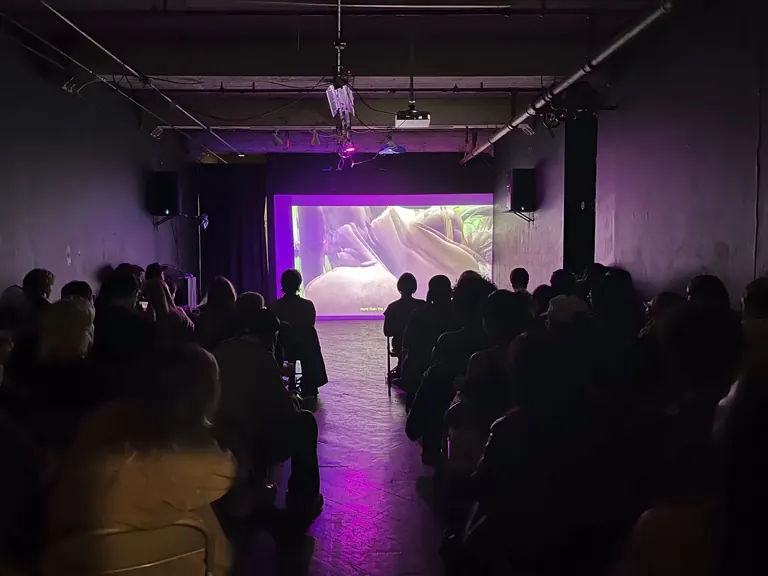
- An Endless Meeting: Still Taking MinutesCourtesy of Vox Populi
- An Endless Meeting:變 SLOW BURNCourtesy of Vox Populi
- National Constitution CenterBeyond My Ken, via Wikimedia Commons, CC BY-SA 4.0
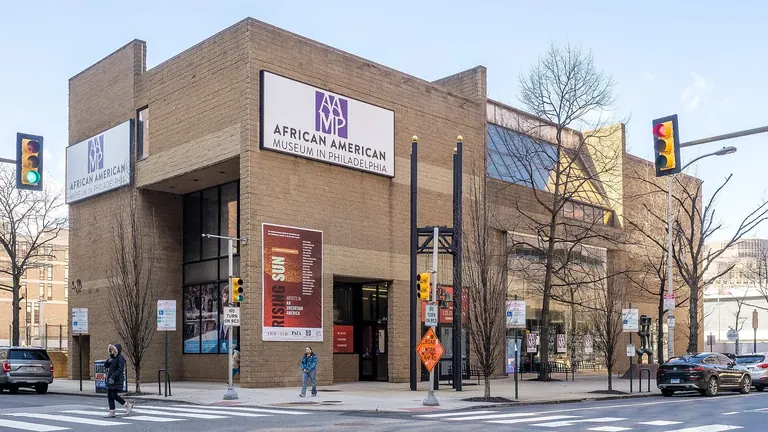
- African American Museum in Philadelphiaajay_suresh via Wikimedia Commons, CC BY 2.0
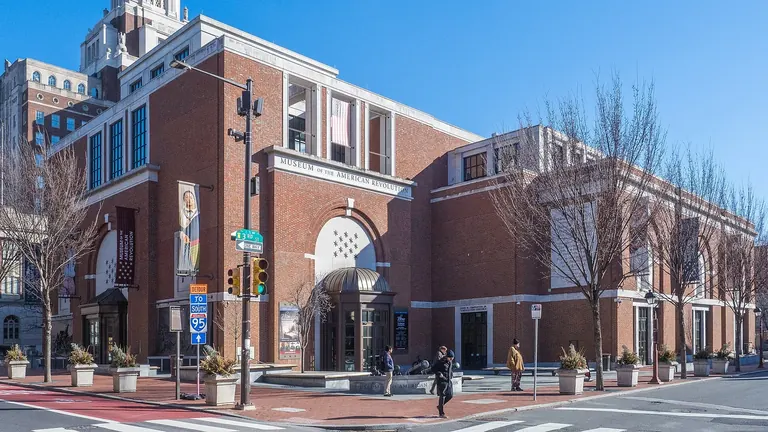
- Museum of the American Revolutionajay_suresh / Wikimedia Commons, CC BY 2.0
- Vox PopuliVox Populi
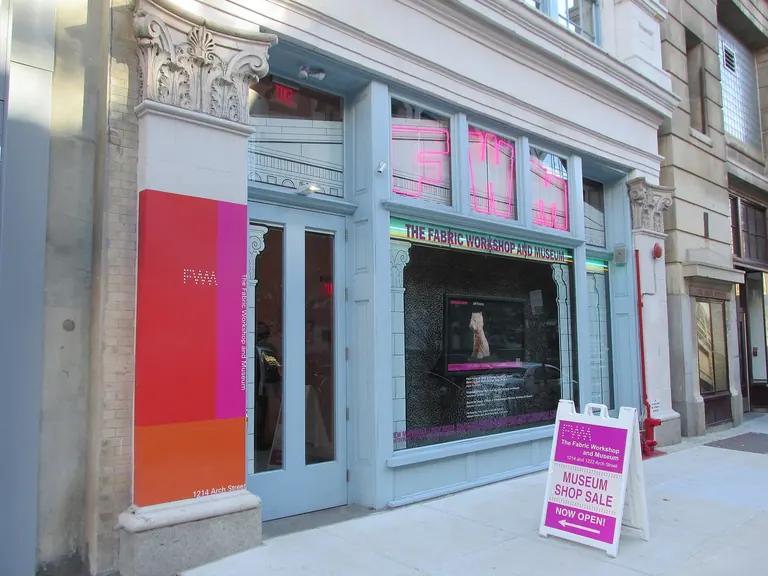
- The Fabric Workshop and MuseumJohn Phelan, via Wikimedia Commons, CC BY-SA 3.0