 i
Rijksmuseum · 博物館區
In the Rijksmuseum Print Cabinets
A rotating selection from a collection of over 750,000 prints and drawings. This edition covers Roman street art by Polidoro da Caravaggio, social satire, Japanese fairy tales and the Van Eeghen Drawing Book.
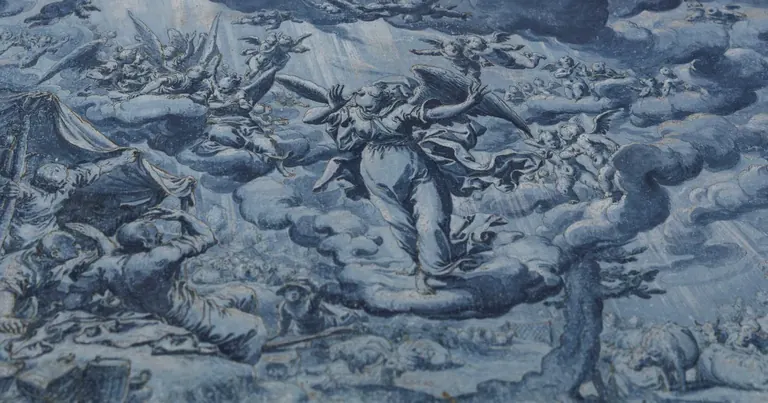
On the binding, in gold letters: Konstboeck voor Reyer Claessoon, "art book for Reyer Claessoon". The Van Eeghen family kept this 17th-century drawing book in Amsterdam for 300 years and showed it publicly once, in 1935. Inside are about thirty drawings, including biblical scenes attributed to Rombout Uylenburgh, whose niece Saskia married Rembrandt, some made on paper dyed blue.
The book has its own cabinet, room 2.7. The other print cabinets change every six months because the paper can't take long exposure to light, and this round runs by century. You move from drawings after Polidoro da Caravaggio's lost palace facades in 1520s Rome, to Giuseppe Mitelli's satires of rich young men and beggars, to aquatints including Goya's The Sleep of Reason Produces Monsters, and end on Japanese woodblock prints of Momotarō the peach boy.
There's no separate ticket: entry is included in museum admission at €25, free for ages 18 and under, with a timed start booked in advance. It closes on 29 November.
看點
The Van Eeghen Drawing Book
In room 2.7, look for biblical scenes drawn on blue-dyed paper in coloured inks and white paint, still bright because the pages have barely seen light.
Polidoro da Caravaggio's lost facades
Drawings and prints record the mythological and historical scenes he scratched into plaster on Roman palace fronts in the 1520s, most of which are now gone.
Giuseppe Mitelli's world for sale
Satirical prints, forerunners of the cartoon, of wealthy young men, street vendors and beggars in a world where success, love and honour are all for sale.
Goya's The Sleep of Reason Produces Monsters
A man asleep at a desk with owls and bats crowding behind him, in the aquatint room that traces how printers learned to imitate ink washes.
Momotarō and Kintarō
Colourful Japanese woodblock prints of the peach boy and the super-strong Kintarō, hung beside European chapbooks of fairy tales.
適合
- 逛遍名館的本地人
- 發燒友
不適合
You came for paintings: these cabinets hold only prints, drawings and one drawing book.
帶小朋友
Free for ages 18 and under. The 19th-century room is fairy tales: Japanese prints of Momotarō the peach boy beside European chapbooks.
Rijksmuseum其他展覽
附近現正展出
附近
圖片來源
9
- In the Rijksmuseum Print CabinetsCourtesy of Rijksmuseum
- Yoshitoshi. Master of the MoonCourtesy of Van Gogh Museum
- Whistler. Dandy and DisruptorCourtesy of Van Gogh Museum
- Yayoi KusamaNcysea / Wikimedia Commons
- RijksmuseumTrougnouf (Benoit Brummer) / Wikimedia Commons, CC BY 4.0
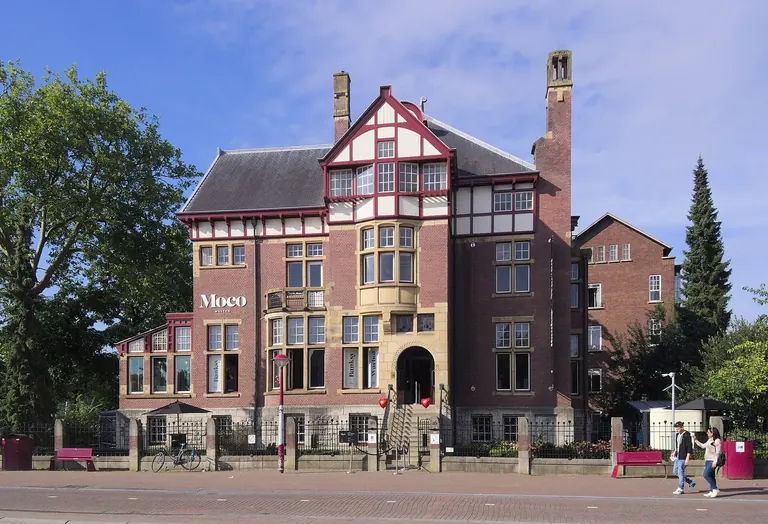
- Moco MuseumC messier, via Wikimedia Commons, CC BY-SA 4.0
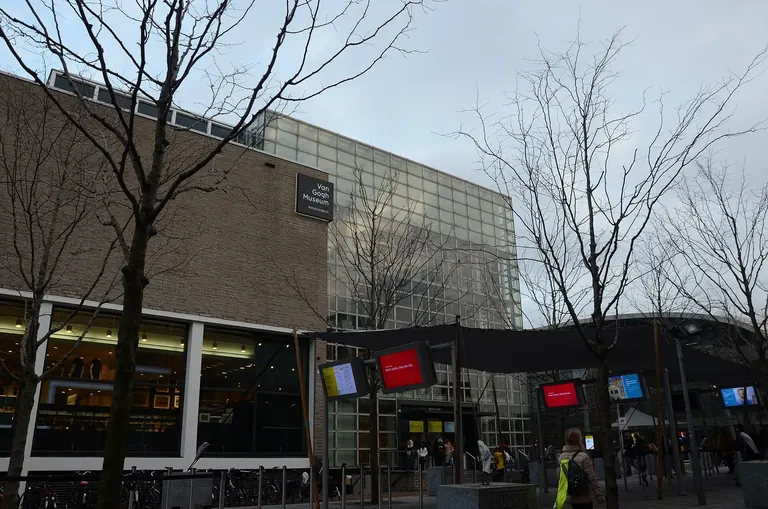
- Van Gogh MuseumSteven Lek, via Wikimedia Commons, CC BY-SA 4.0
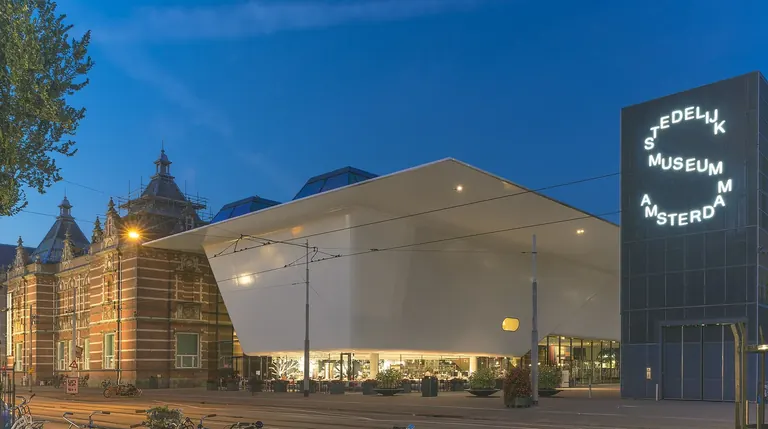
- Stedelijk Museum AmsterdamJohn Lewis Marshall, via Wikimedia Commons, CC BY-SA 4.0
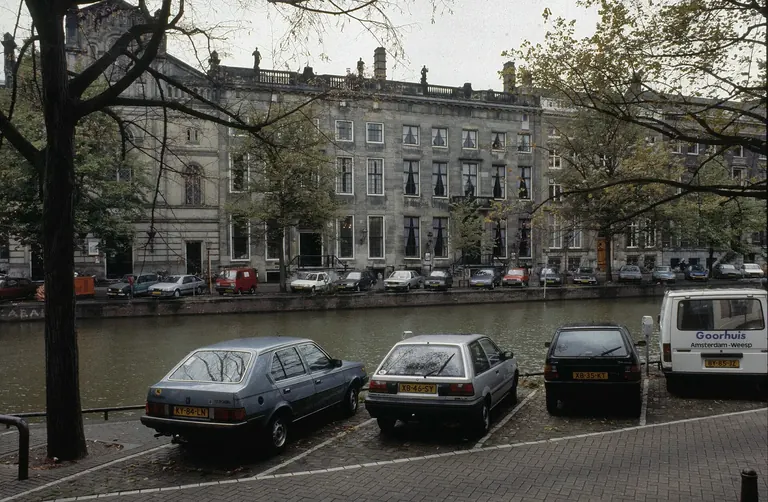
- Museum Van LoonRijksdienst voor het Cultureel Erfgoed via Wikimedia Commons, CC BY-SA 4.0