 i
Grande Galerie de l'Évolution (Muséum national d'Histoire naturelle)植物园
Artistes au Muséum
For the Muséum's 400th anniversary, more than 300 works trace the links between art and natural science, from scientific expeditions to contemporary artists.
巴黎更多展览
Two lion cubs, one day old, painted on vellum in 1800 by Nicolas Maréchal after they were born in the Jardin des Plantes menagerie. Most of this show is like that: pictures made by people who drew the Muséum's animals and plants from a few metres away.
More than 300 works mark the Muséum's 400th year. You move from Nicolas Robert's vellums, begun for Gaston d'Orléans and still added to by the Muséum's illustrators today, past naturalist dioramas, Henri Coëylas's painting of the taxidermy lab and Redouté's posters for his drawing class, to Pompon's hippopotamus, Gustave Moreau's Galatée on loan from Orsay, and Chris Marker's La Jetée. It ends with contemporary artists working with scientists on extinction and climate.
L'Officiel des spectacles called it "magnifique" and singled out Robert's vellums. Tickets are €16 (reduced €13, family pass €52) and include the Grande Galerie de l'Évolution. Closed Tuesdays.
看点
Maréchal's newborn lions
Look for two lion cubs painted on vellum at one day old, born in the Muséum's own menagerie in 1800.
Nicolas Robert's vellums
The core of the Muséum's 7,000 painted vellums of plants and animals, which L'Officiel des spectacles called the high point of the show.
Three brand-new vellums
Made for this show by Muséum illustrators: a reconstructed fossil animal, a newly described flowering plant and a marine micro-organism.
The lioness and white oryx diorama
A naturalist diorama by Louis Quantin and Jules Terrier, staged as theatrically as a painting.
Huet's raccoons and Mérite's chicks
Nicolas Huet's comic raccoons and Édouard Mérite's chicks, the lighter side of centuries of scientific drawing.
适合
- 独自前往
- 深度爱好者
- 雨天
Grande Galerie de l'Évolution (Muséum national d'Histoire naturelle)的其他展览
附近正在展出
 i
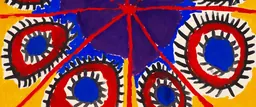
尝试以艺术疗愈:20世纪60年代布利达-茹安维尔精神病院的实践 (Tenter l'art pour soigner, à l'hôpital psychiatrique de Blida-Joinville dans les années 1960)
Institut du monde arabe
 i
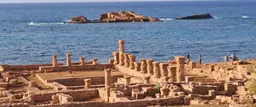
利比亚:揭示的文化遗产 (Libye, patrimoine révélé)
Institut du monde arabe
 i
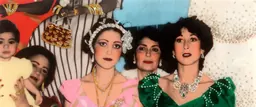
新娘万岁!Algérie, Maroc, Tunisie (Vive la mariée ! Algérie, Maroc, Tunisie)
Institut du monde arabe
附近
图片来源
9
- Artistes au Muséum© MNHN - R. Bracco
- 尝试以艺术疗愈:20世纪60年代布利达-茹安维尔精神病院的实践 (Tenter l'art pour soigner, à l'hôpital psychiatrique de Blida-Joinville dans les années 1960)Courtesy of Institut du monde arabe
- 利比亚:揭示的文化遗产 (Libye, patrimoine révélé)© MAFL
- 新娘万岁!Algérie, Maroc, Tunisie (Vive la mariée ! Algérie, Maroc, Tunisie)Courtesy of Institut du monde arabe
- Grande Galerie de l'Évolution (Muséum national d'Histoire naturelle)Benh LIEU SONG / Wikimedia Commons, CC BY 3.0
- Institut du monde arabeGuilhem Vellut / Wikimedia Commons, CC BY 2.0
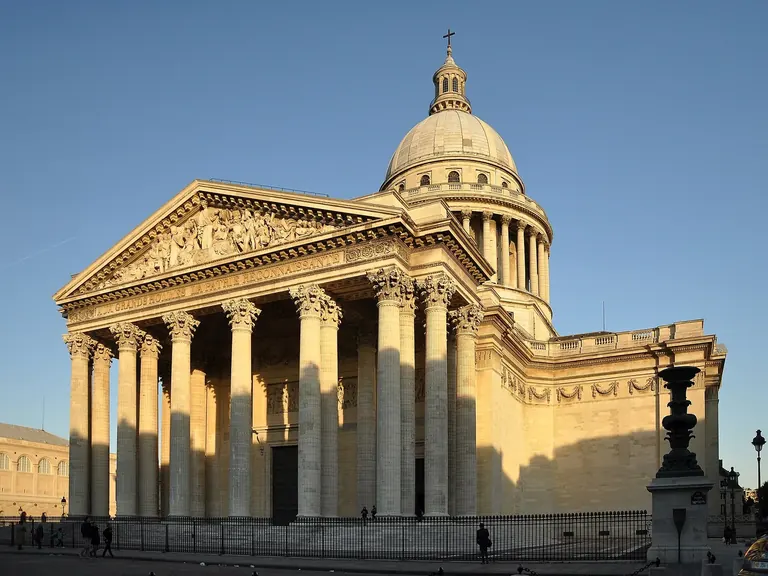
- PanthéonMoonik / Wikimedia Commons, CC BY-SA 3.0
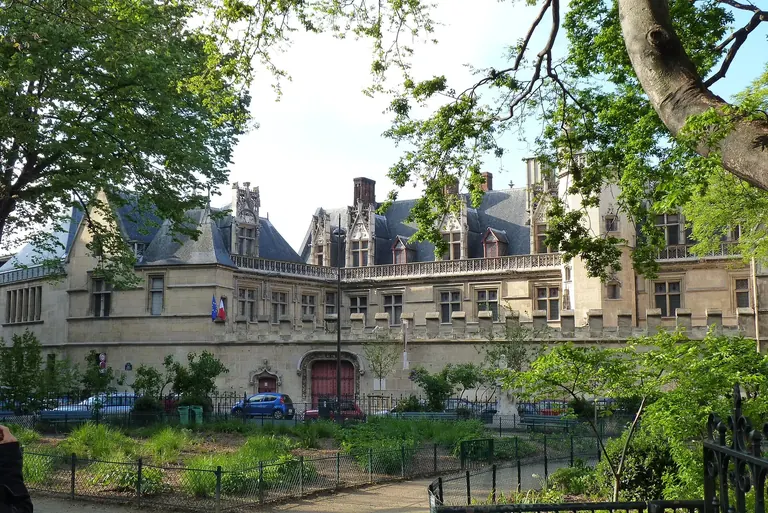
- Musée de Cluny - musée national du Moyen Âgectj71081 / Wikimedia Commons, CC BY-SA 2.0
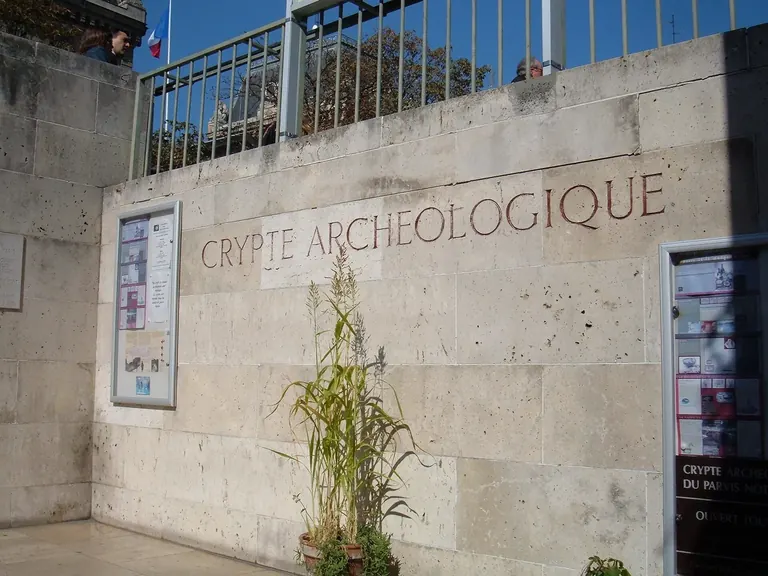
- Crypte archéologique de l'île de la CitéBrokenSphere, Wikimedia Commons, CC BY-SA 3.0