 i
Inverleith House, Royal Botanic Garden Edinburgh · Inverleith
Earth Matters
Seeing soil through art: 30+ artists mark 300 years since geologist James Hutton's birth with paintings, sculpture, ceramics and photography on the living ground beneath our feet.
The ink in one woodblock print here is soil. Ilana Halperin printed James Hutton (Parent Material) with earth from the Borders farm where Hutton worked, and the show runs on that idea: more than 30 artists, beside historic works, using the ground as material as well as subject.
You walk in to walls painted to match samples from Scotland's National Soils Archive. The rooms move from geology through soil, life and heritage to recycling: John Clerk of Eldin's drawings for Hutton, Wilhelmina Barns-Graham's gouache of Orkney fields, 1880s photographs of women carrying peat on Lewis, and Kelly Murray's cob bench made from Glasgow building-site waste. The Botanics now displays Glasgow rubble, cushioned in linen.
One visiting blogger named Constanza Dessain's compost slides her favourite, but missed touching anything: in a show this much about materials, everything is look-only. Entry is free and drop-in. It closes on 1 November (3:30pm that day), and the house sits mid-Garden, so allow time for the walk from either gate.
Zwróć uwagę na
Ilana Halperin's soil print
A woodblock print on Japanese paper, inked with soil taken from Hutton's farm in the Scottish Borders.
Constanza Dessain's Studio Compost
Glass slides of kitchen scraps decomposing in gelatine and cyanotype chemicals, rot made into images.
Fiona Young's root sculptures
Plants grown until rootbound, their pots smashed, and the bare root masses photographed as sculptures in their own right.
Kelly Murray's Unearthed
A cob bench built from Glasgow building-site waste and West Lothian straw, topped with linen cushions.
Kevin Andrew Morris's Field Work
A whole wall of farm tools made from wild clay and wood.
Dla kogo
- Tania kultura
- Pasjonaci
- Goście spoza miasta
Odpuść, jeśli
You want to handle materials: the clay, soil and textiles here are all look-only.
Teraz w pobliżu
W pobliżu
Źródła zdjęć
6
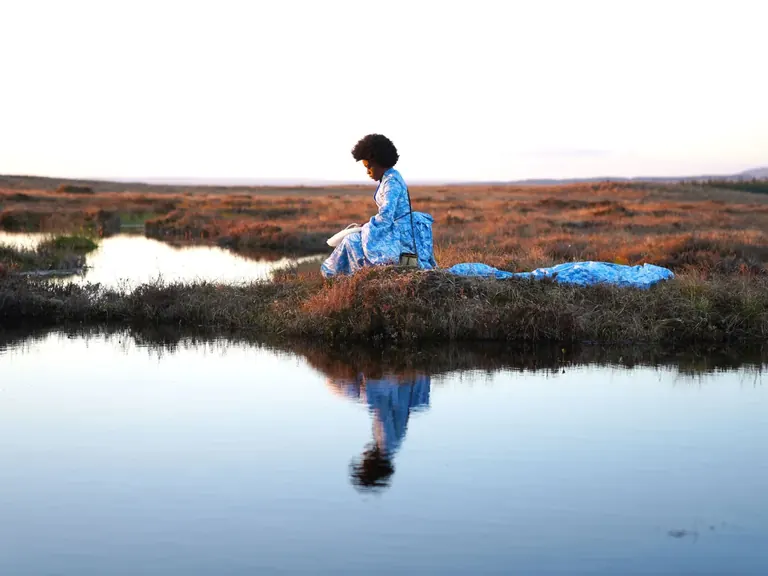
- Earth MattersPhotography: Antanas Budvytis. Courtesy the artist, Patricia Fleming Gallery and the Fleming Collection.
- Jillian Edelstein – Among PeopleCourtesy of Stills: Centre for Photography
- Jamie Fitzpatrick: Pomniki polityki kiełbasianej (Jamie Fitzpatrick: Memorials to Sausage Politics)Courtesy of Edinburgh Printmakers
- Inverleith House, Royal Botanic Garden EdinburghChabe01 / Wikimedia Commons, CC BY-SA 4.0
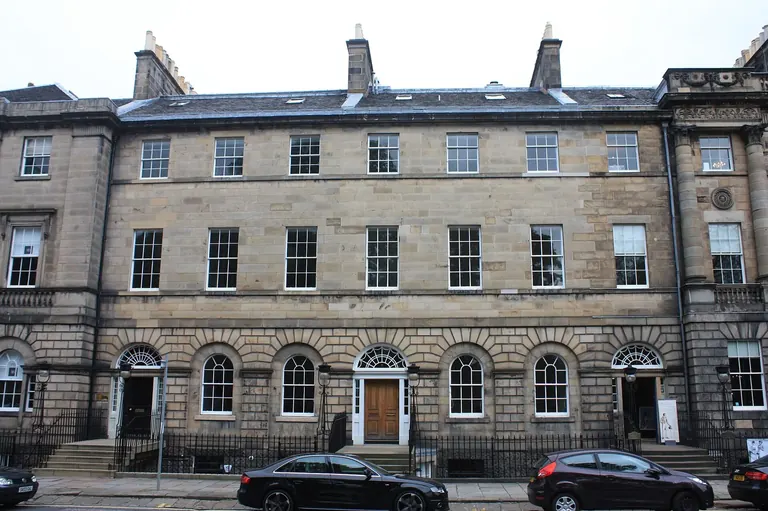
- The Georgian HouseStephencdickson / Wikimedia Commons, CC BY-SA 4.0
- National Galleries Scotland: PortraitKenneth C. Zirkel, via Wikimedia Commons, CC BY 4.0