Suntory Museum of ArtTokyo Midtown, Roppongi
The Art of the Lotus Sutra: To Create Is to Pray
Lavishly decorated sutras, Buddhist statues and paintings inspired by the Lotus Sutra, tracing how devotion to the text shaped Japanese art from antiquity to today.
Altro a Tokyo
Anteprima: scritta prima dell'apertura della mostra
An elephant with thick folds of wrinkled skin and a lion with a big curling mane, both Kamakura-period, still carry their original paint and cut-gold patterns. The museum thinks they were the seats of the bodhisattvas Fugen and Monju, and this is their first showing since Suntory acquired them in 2025.
The Lotus Sutra counts making things as good deeds: copying it, decorating it, building pagodas, carving statues. The show follows those acts. You move from pagodas, including small clay ones carrying sutra text, to sutras copied onto bronze so they wouldn't rot, then to statues. An epilogue turns to Edo artists; Hokusai, by tradition, recited the sutra as he walked. It runs from a fifth- or sixth-century Sanskrit leaf to a Hiroshige print of an Edo restaurant.
Works rotate: 12 December to 11 January, then 13 January to 7 February. Adults pay ¥1,800 (¥1,600 in advance), and the ¥3,000 advance pair ticket works as two visits for one person. Junior-high age and under free. Fridays until 20:00.
Scelto dalla redazione
Un elefante e un leone del periodo Kamakura, ancora nella policromia originale e decorati con oro ritagliato, probabilmente un tempo fungevano da sedili per i bodhisattva Fugen e Monju. Intorno a loro, sutra trascritti su bronzo, minuscole pagode d’argilla e una stampa di Hiroshige: creare è pregare.
Da non perdere
The elephant and lion
Look for the elephant's heavy wrinkles and the lion's curled mane, with original colour and cut-gold patterns still on them; shown for the whole run, their first display since 2025.
The clay pagodas
Twelve of 37 small clay pagodas carrying sutra text, dug from a sutra mound at Chishakuji, on show for the whole run.
The fan-shaped Lotus Sutra booklet
A National Treasure from Shitennoji in Osaka with the sutra written on fan-shaped pages; second period only, with the pages turned during the run.
The Yokawa sutra box
A National Treasure from Mount Hiei, dated 1031: a gilt and silvered box covered in a floral scroll pattern, shown for the whole run.
Koetsu and Sotatsu's lotus poem scroll
Hon'ami Koetsu's calligraphy of court poems brushed over Tawaraya Sotatsu's underpainting of lotuses, from Suntory's own collection.
Ideale per
- Visite serali
- Per appassionati
- Ospiti da fuori
Con i bambini
Junior-high students and younger get in free.
Anche a Suntory Museum of Art
- Capolavori della collezione dell'Itsuo Art Museum: Buson, Go Shun e l'arte del tè (Masterpieces from the Itsuo Art Museum Collection: Buson, Go Shun, and the Art of Tea)16 settembre 2026 – 8 novembre 2026
- KIRIKO: Lo splendore del vetro intagliato giapponese (KIRIKO: The Sparkle of Japanese Cut Glass)10 marzo 2027 – 16 maggio 2027
- Il mondo di Shiba Kōkan (Shiba Kōkan's World)23 giugno 2027 – 15 agosto 2027
In corso qui vicino
Possibilities of A Piece of Cloth: TYPE-XVII JAXA Project by A-POC ABLE ISSEY MIYAKE
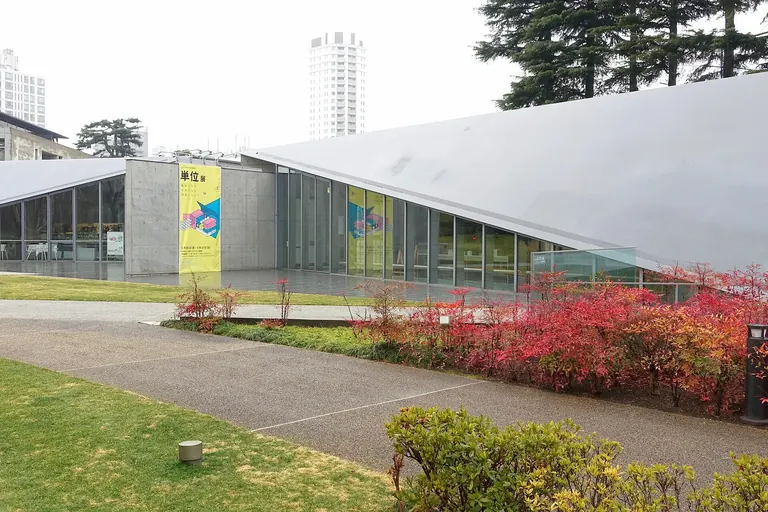
21_21 DESIGN SIGHT
Imparare da "Hōjōki": l'architettura in miniatura ricuce la vita (Learning from "Hōjōki": Tiny Architecture Reweaves Life)
21_21 DESIGN SIGHT
 i
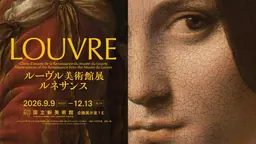
Capolavori rinascimentali dal Musée du Louvre (Masterpieces of the Renaissance from the Musée du Louvre)
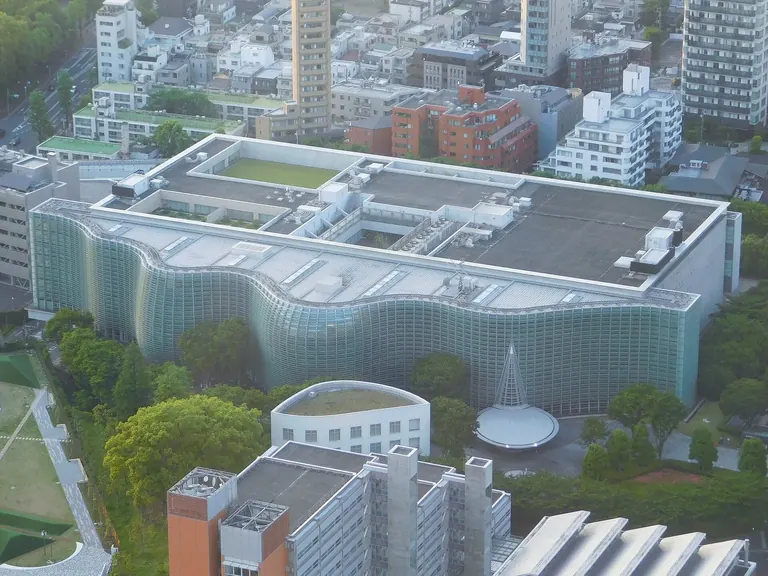
The National Art Center, Tokyo
Nei dintorni
Crediti fotografici
6
- Capolavori rinascimentali dal Musée du Louvre (Masterpieces of the Renaissance from the Musée du Louvre)Courtesy of The National Art Center, Tokyo
- Suntory Museum of ArtWpcpey, CC BY-SA 4.0
- 21_21 DESIGN SIGHTDaderot, CC0
- The National Art Center, TokyoAkonnchiroll / Wikimedia Commons, CC BY-SA 4.0
- Mori Art MuseumCharles Deluvio via Wikimedia Commons, CC0
- teamLab BorderlessSupanut Arunoprayote, CC BY 4.0