 i
Raku Museum · Kamigyo
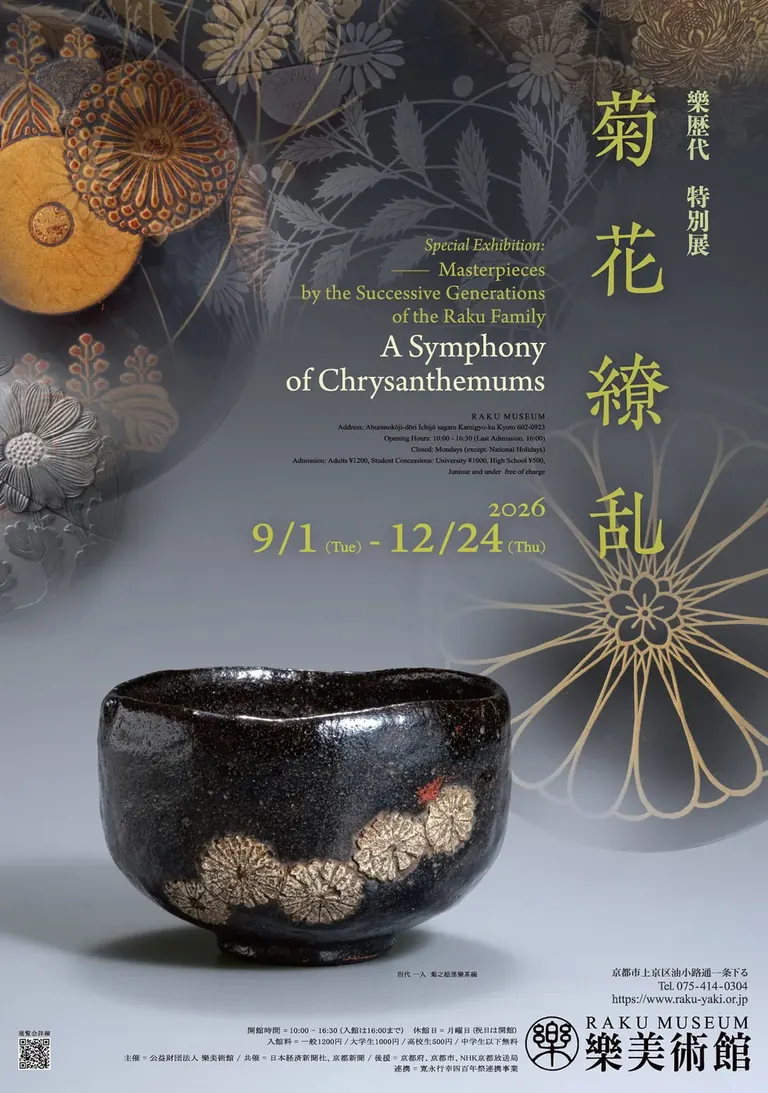
A Symphony of Chrysanthemums: Masterpieces by the Successive Generations of the Raku Family
How the chrysanthemum, emblem of the noble recluse, was painted and carved on Raku tea bowls across the generations, some pieces predating the Edo-period chrysanthemum craze.
The first bowl you meet is glossy black, with small white chrysanthemums raised from its surface. It is by Ichinyū, the fourth Raku head, and the restraint is the point: the director, Raku Jikinyū, told the Nikkei that Raku ware began by stripping out expression and rarely paints.
The 52 works fill three floors. The first lines up bowls generation by generation, ending on a red bowl Kichizaemon XVI made in 2026. The second widens out to chrysanthemum-shaped dishes, a Kenzan bowl and lacquered tea caddies; the third puts the founder Chōjirō beside Hon'ami Kōetsu and a Noh mask. The museum's case is that the family used the flower before the Edo-period craze.
It suits anyone curious how one family's taste shifts across sixteen generations. Entry is 1,200 yen with no booking, closed Mondays. On 29 November Jikinyū gives an online gallery talk, filming the feet, backs and seals the cases hide; on 13 December he hosts a tea gathering with the collection's bowls. Both need reservations.
לא לפספס
Ichinyū's black chrysanthemum bowl
Look for it first thing on the first floor: small white chrysanthemums in relief on a glossy black tea bowl.
Generation by generation
The first floor runs bowl by bowl from Dōnyū III to Kichizaemon XVI, ending on a red bowl he made this year.
The rangiku tea caddies
On the second floor, Omotesenke heads' lacquer caddies with scattered chrysanthemums; Joshinsai's box says he copied the flower said to be on Sōtan's, shown here as a photo panel.
Kenzan's square bowl
Ogata Kenzan's square bowl, with chrysanthemums painted in underglaze iron, is among the non-Raku pieces on the second floor.
The Noh mask Jidō
On the third floor, a mask by Deme Zekan Yoshimitsu for Jidō, the boy in the Noh play Kiku Jidō.
מתאים ל
- מקומיים שכבר ראו הכול
- צלילה לעומק
- ימים גשומים
לוותר אם
You're expecting a flower show: the chrysanthemums here are small, restrained motifs on tea wares.
עם ילדים
Junior high school students and younger get in free; high school students pay 500 yen.
עכשיו בסביבה
 i
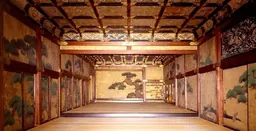
ציורי הקיר המעטרים את מושב הקיסר: Ichi-no-ma (First Room) of the Ohiroma (Murals Adorning the Imperial Seat: Ichi-no-ma (First Room) of the Ohiroma)
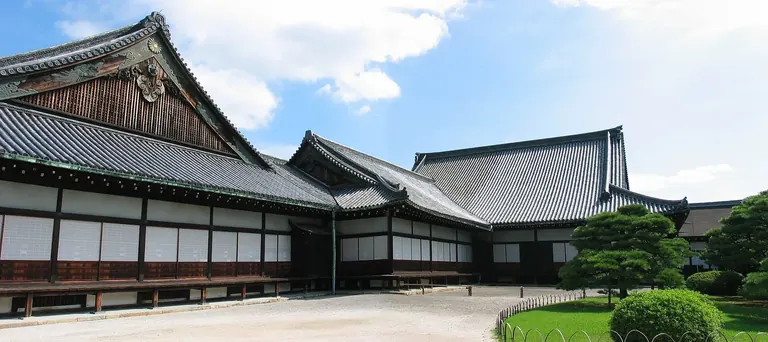
Nijo Castle (Nijo-jo)
אורנים ועגורים (Shokaku-zu): ציורי Sugito-e בארמון Honmaru-goten (Pine Trees and Cranes (Shokaku-zu): Sugito-e at the Honmaru-goten Palace)
Nijo Castle (Nijo-jo)
 i
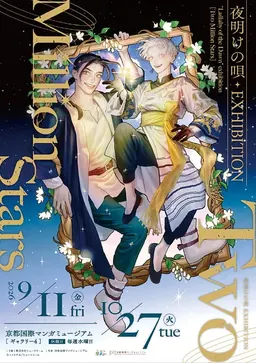
תערוכת „Lullaby of the Dawn”: שני מיליון כוכבים ("Lullaby of the Dawn" Exhibition: Two Million Stars)
Kyoto International Manga Museum
בסביבה
קרדיט לתמונות
6
- A Symphony of Chrysanthemums: Masterpieces by the Successive Generations of the Raku FamilyCourtesy of Raku Museum
- ציורי הקיר המעטרים את מושב הקיסר: Ichi-no-ma (First Room) of the Ohiroma (Murals Adorning the Imperial Seat: Ichi-no-ma (First Room) of the Ohiroma)Courtesy of Nijo Castle (Nijo-jo)
- תערוכת „Lullaby of the Dawn”: שני מיליון כוכבים ("Lullaby of the Dawn" Exhibition: Two Million Stars)©Yuno Ichika / ShuCream
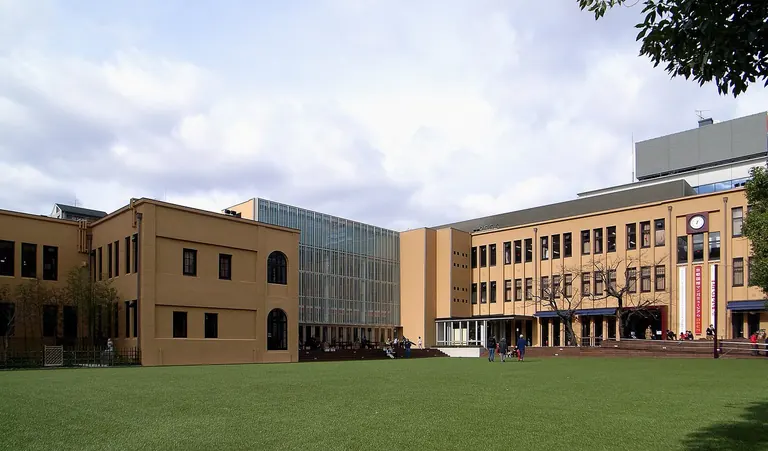
- Raku MuseumAt by At / Wikimedia Commons, CC BY-SA 3.0
- Nijo Castle (Nijo-jo)Keith Pomakis / Wikimedia Commons, CC BY-SA 2.5
- Kyoto International Manga Museum珈琲ルンバ via Wikimedia Commons, CC BY-SA 3.0